Nova Petrópolis
"Two hundred years of Germany in the Serra Gaúcha — stranger and more sincere than you expect, and warmer than either."
The first thing I noticed in Nova Petrópolis was the Willkommen sign: bilingual and matter-of-fact, as if it had never occurred to anyone that this might require explanation. The second thing was the flower gardens, which are everywhere — front gardens, window boxes, the central square, the roadside medians — maintained with a precision that speaks of a community that has decided, collectively, to make gardening a form of civic expression. Nova Petrópolis sits in the Serra Gaúcha about sixty kilometres from Caxias do Sul, and the German colony towns of this region have a particular atmosphere: European in its bones, distinctly Brazilian in its warmth, and genuinely its own thing in the way it holds both simultaneously without apparent effort or contradiction.

The immigration here dates from the 1850s, when a second wave of German settlers arrived after the first wave of the 1820s and moved into the highland interior. The families came mostly from the Rhine and Pomeranian regions, and they brought not just language and architecture but a specific agricultural tradition — small-farm polyculture, cheese-making, community events organized around the calendar of a northern European Protestant year. The Kerb festival, held in September, celebrates the feast day of the parish’s patron saint with folk dancing in traditional costume, brass band music performed with absolute conviction, and quantities of marreco no molho pardo — a slow-cooked duck in its own blood sauce — that local families begin preparing days in advance. The quality of that dish, eaten at a long communal table with local wine and a brass band twenty metres away, represents a very specific kind of happiness that I was not expecting from a town of fifteen thousand people in the mountains of Rio Grande do Sul. The open-air immigration museum, the Aldeia do Imigrante, reconstructs a late-nineteenth-century German colonial settlement with original farm buildings relocated to the site. It would be dry if the artifacts inside weren’t so oddly intimate — a grandmother’s sewing box with the original thread still wound on its bobbins, a child’s school slate with the lesson half-erased, a kitchen still equipped with the ceramic morsa pot the family used for storing lard. The docents are mostly retired teachers who grew up speaking Riograndenser Hunsrückisch, the German dialect that survived two centuries of separation from its source and remains audible in the cadence of the oldest residents.

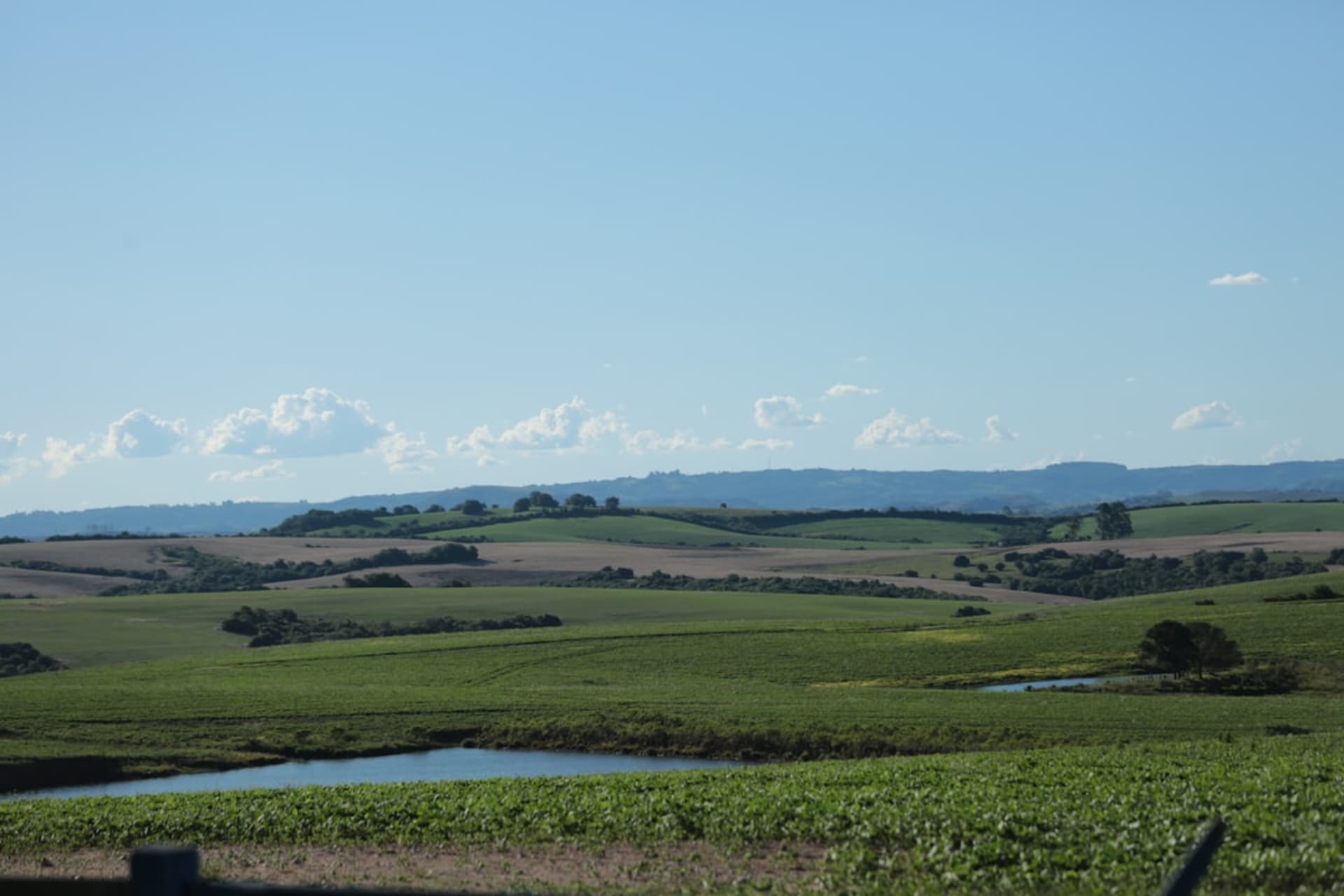
Walking the town on a weekday morning before the day-trippers from Gramado arrive is a specific pleasure. The bakeries open early with Streuselkuchen and Bienenstich alongside Brazilian pão de queijo, the coffee is strong and served without ceremony, and the streets have the particular quiet of a place that has organized its serious living for mornings. At the viewpoints above the town — several are accessible by car on the roads south toward Gramado — the Serra Gaúcha opens in multiple ridges below you, the valley floors in forest and the slopes in the geometric rows of tea, grape, and timber plantations that cover most of the working land. The cold at those viewpoints, even in spring, reminds you that this is a place where people chose to come from somewhere else and found, improbably, something that worked.
When to go: September for the Kerb festival and spring flowers. April through June and August through October for mild weather and low crowds. July is cold, atmospheric, and popular — the Serra towns fill with Brazilians seeking winter. November through February is warm and can be wet; the flowers are different but persistent.