Rheinfels Castle
"We came for a ruin and left with cold hands, a flashlight app, and a strange respect for medieval toll collectors."
A ruined fortress above St. Goar that once withstood a fourteen-month siege, now open to wander through tunnels and broken towers over the Rhine.
Lia had a headlamp. I did not. I want to put that on the record before I tell you about Rheinfels, because within about ten minutes of walking into the tunnels under the fortress, I was following the bounce of her light on the wet stone walls like a man who had made several bad decisions that morning. We’d driven up from St. Goar after breakfast, parked near the base, and climbed maybe fifteen minutes through the trees before the ruins opened up above us — bigger than either of us expected, more a shattered small town than a single castle. Burg Rheinfels was built in 1245 by Count Diether V of Katzenelnbogen, and its whole original purpose was blunt and commercial: control the Rhine, make ships pay to pass. Standing at the edge of the walls looking down at the river, that logic still makes total sense. Whoever held this rock held the water.
What got me was learning it actually worked, and not in some vague medieval way — in 1255, an allied army of roughly 4,000 troops from Trier, Cologne, and Mainz laid siege to this castle for fourteen months and could not take it. Fourteen months. I tried to picture an army camped in that valley for over a year, and Lia said something about how she couldn’t even commit to a gym membership for that long, which is fair. The fortress kept growing after that, decade after decade, until it became the largest on the entire Rhine — and you can feel that scale walking through it, room opening into room, staircase into cellar, way more ground than a single defensive structure should cover.
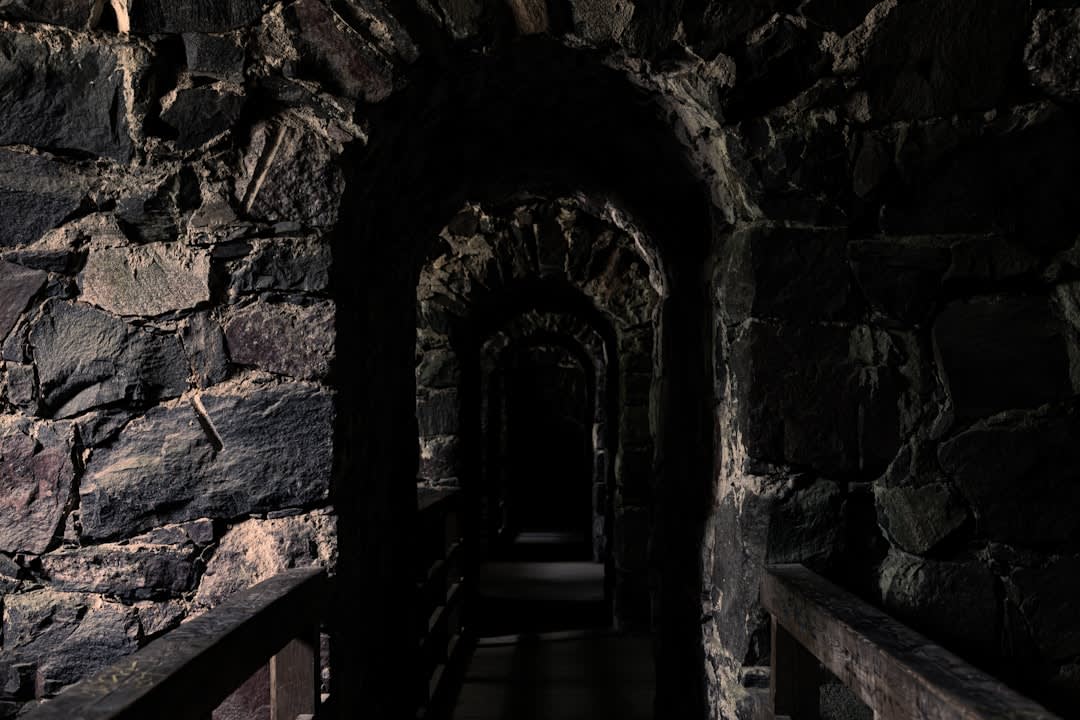
Then in 1797, French revolutionary troops came through and tore most of it apart, and that’s the version we actually got to explore — not a restored showpiece but genuine ruin, walls stopping mid-thought, staircases leading to open sky. There’s something almost more honest about it that way. We spent a good hour in the underground casemates and tunnels, Lia’s headlamp cutting through pitch-black passages that used to store gunpowder and shelter troops, and I’ll admit I got a little turned around in there — it’s a proper maze, not a curated one. When we finally climbed back out into daylight, the view hit differently: the Rhine Gorge spread out below, barges moving slow along the water, vineyards stacked up the opposite bank. This whole stretch is part of the UNESCO-listed Upper Middle Rhine Valley, and from up on those broken walls you understand immediately why.
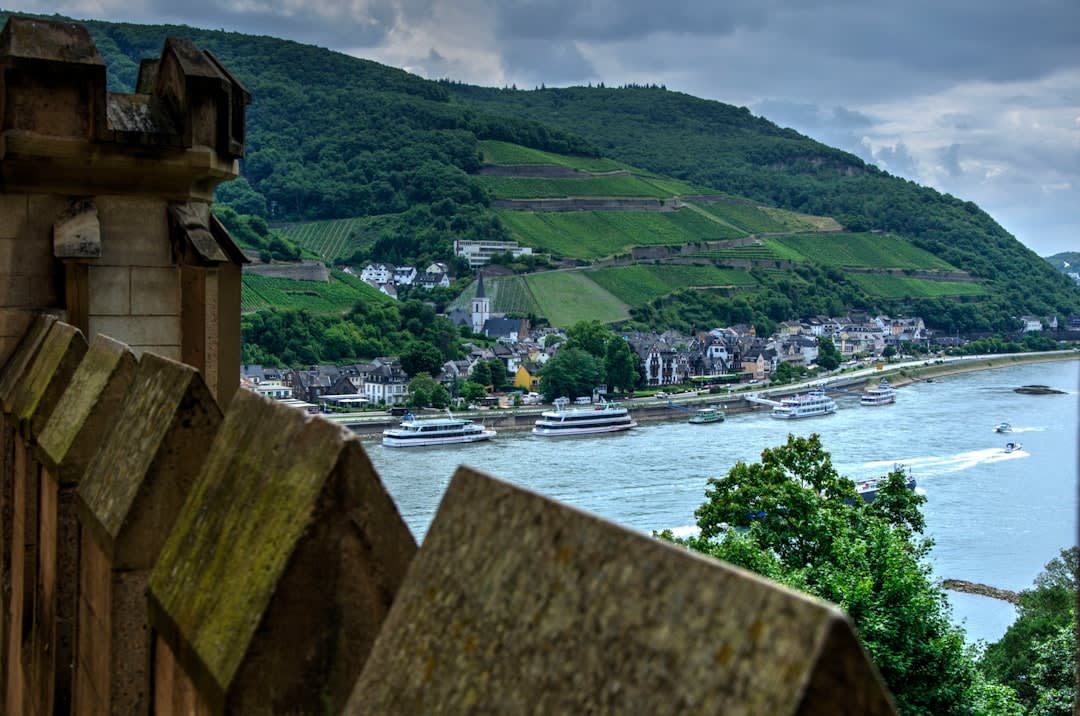
We sat on a low wall near the top for a while, sharing a bag of pretzels we’d bought in town, watching the light move across the water. It’s the kind of place that rewards slowness — not a quick photo stop, but somewhere to actually sit in the ruin and let eight centuries settle on you a bit.
When to go: Aim for late spring or early autumn — the tunnels stay chilly no matter the season, but you want mild weather up top for scrambling around the open ramparts without freezing or melting.
Keep exploring
More from Rhine Valley
 rhine-valley
 Rheinsteig Trail
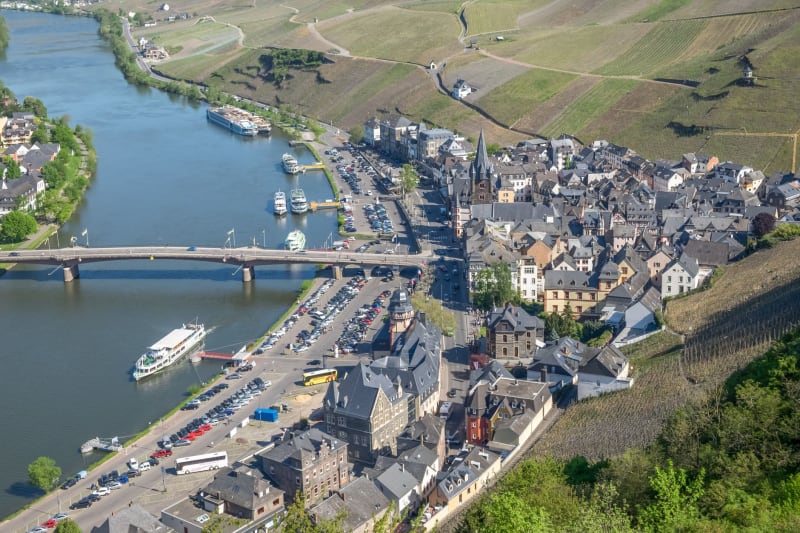
A 320-kilometer hiking path along the Rhine's eastern bank where the gorge reveals itself at walking pace, one vineyard terrace at a time.
Explore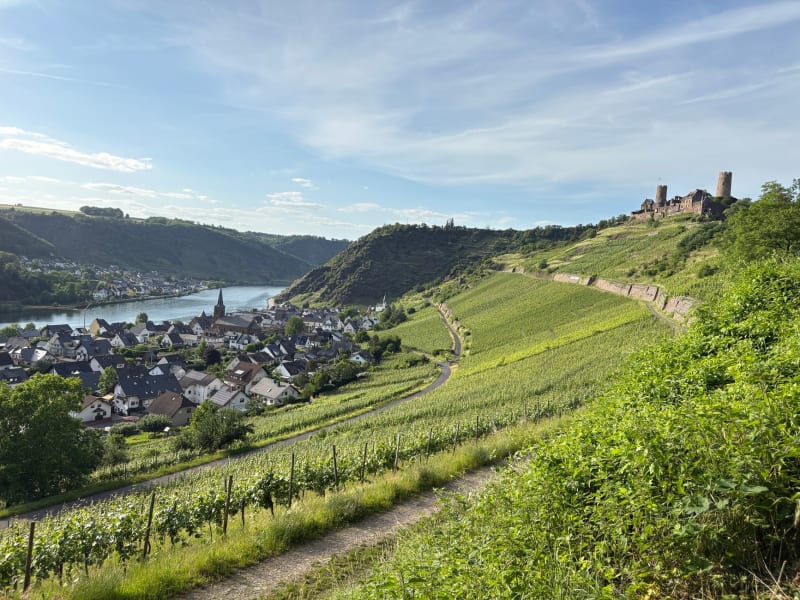 rhine-valley
 Rüdesheim am Rhein
The tourist-facing gateway to the Rhine gorge, where the Drosselgasse is everything you fear and the surrounding vineyards are everything else.
Explore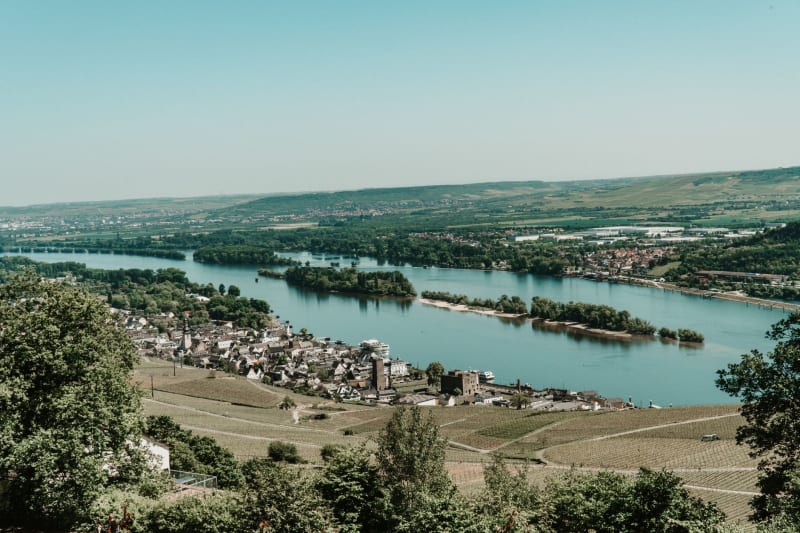 rhine-valley
 St. Goar
A small Rhine town beneath Germany's largest castle ruins — Rheinfels half-collapsed above the gorge like a dream about the nature of power.
Explore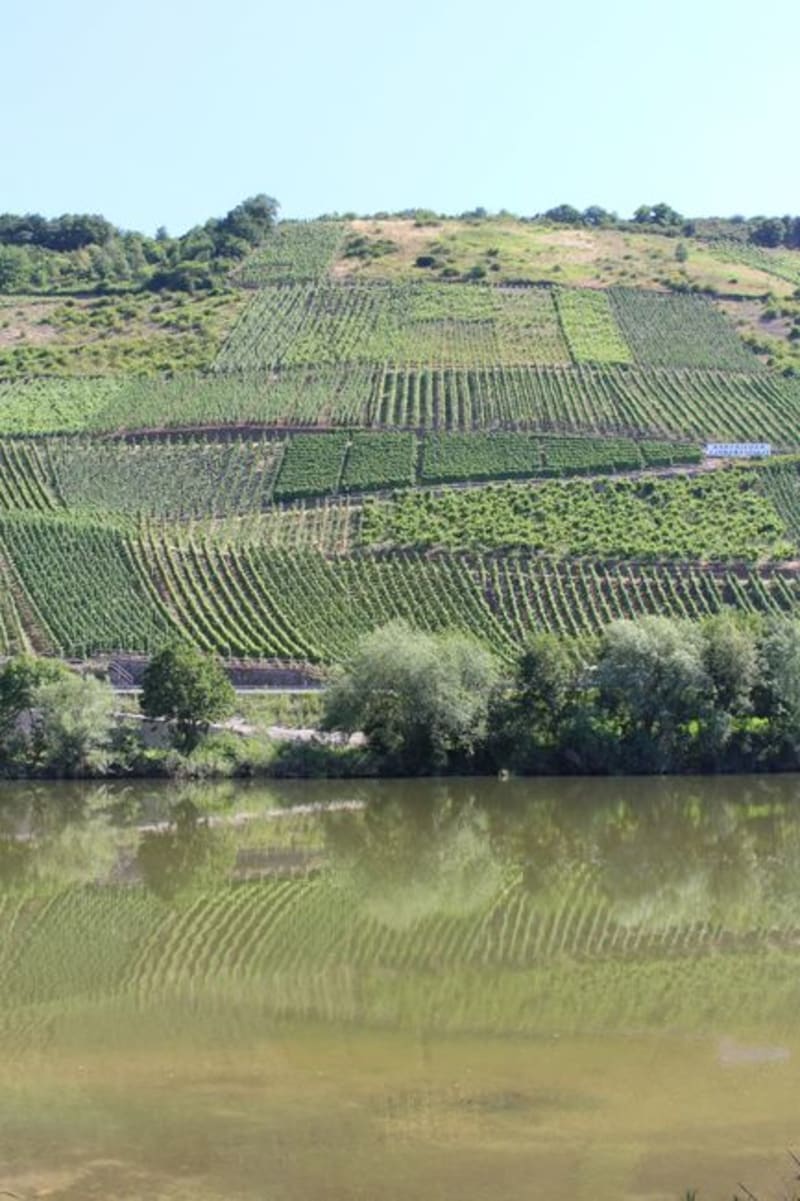 rhine-valley
 Assmannshausen
A red-wine village on the Rhine's quiet bank, where Pinot Noir vines climb a steep slope beneath a medieval church tower.
Explore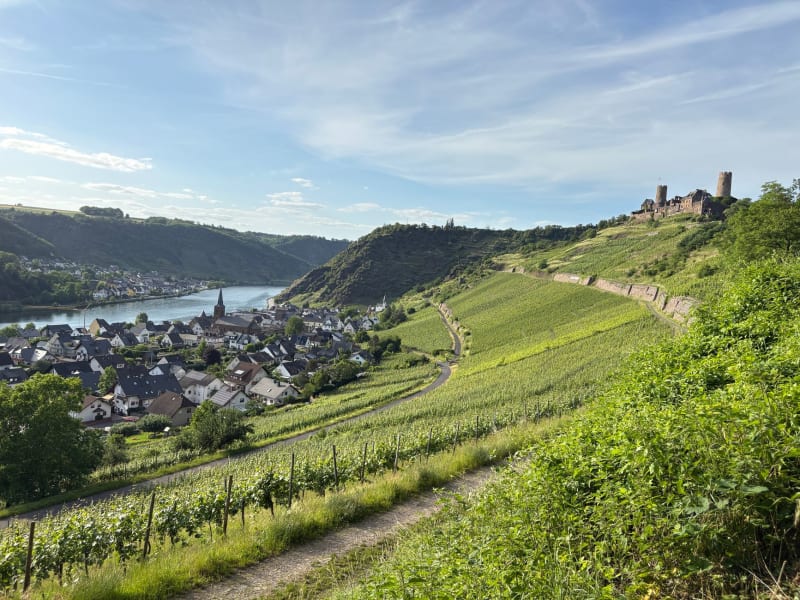 rhine-valley
 Bacharach
A medieval Rhine town so intact it makes you question whether the last five centuries actually happened here.
Explore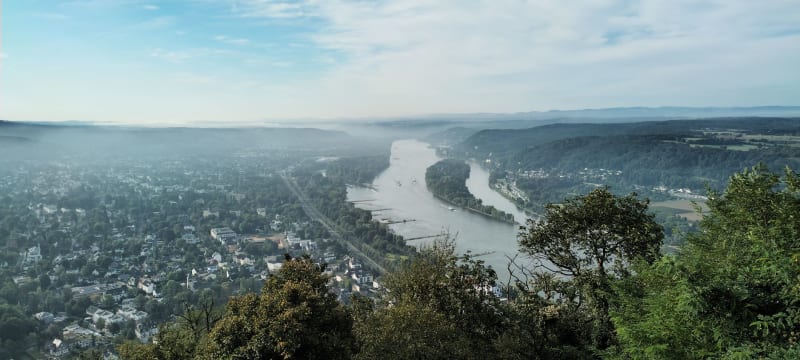 rhine-valley
 Bingen am Rhein
Where the Rhine gorge begins and Hildegard von Bingen's medieval world meets the river's most treacherous current.
Explore