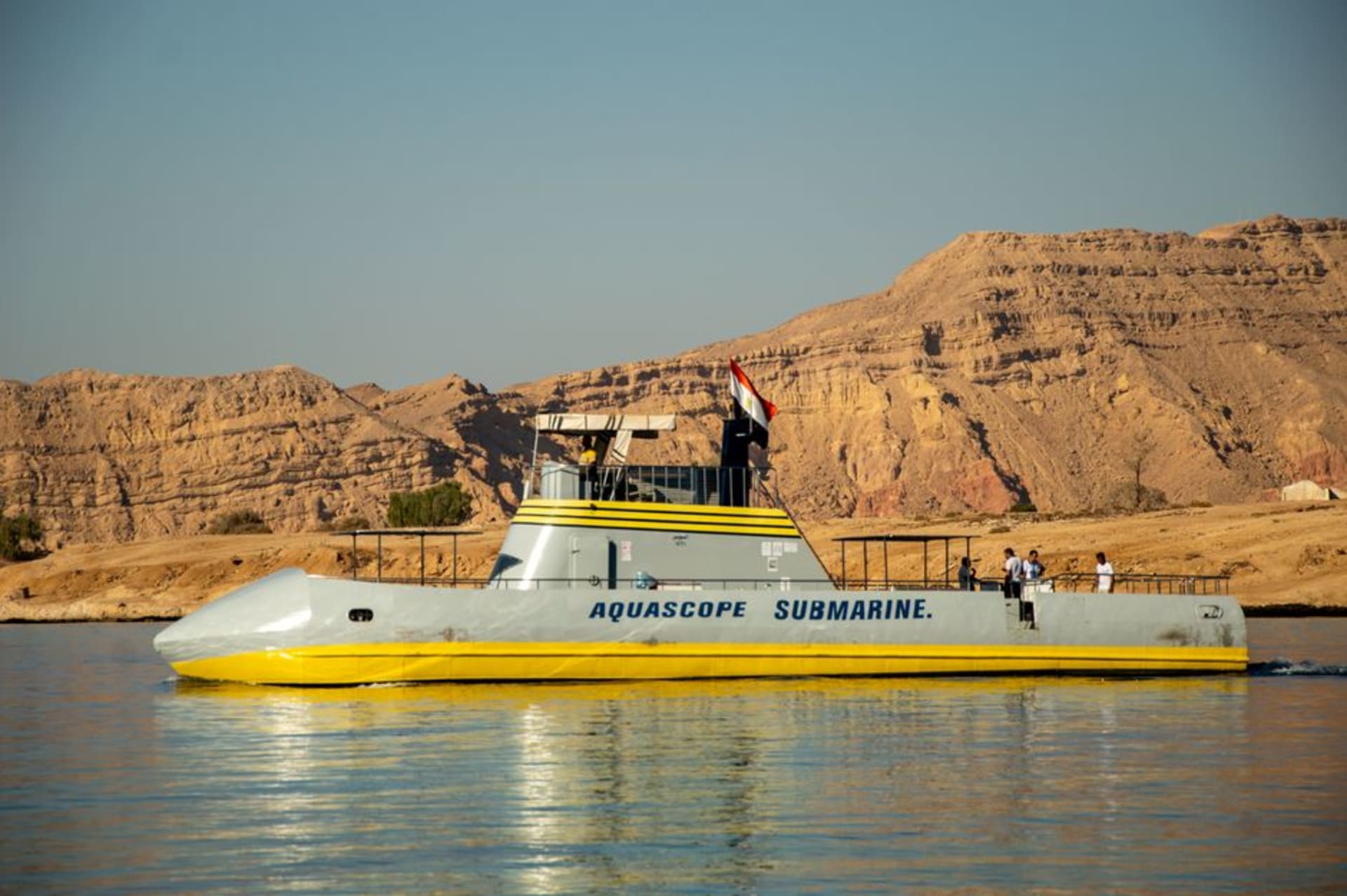
Sharm El Sheikh
"I came for the Blue Hole and stayed three extra days because of a wall I hadn't even planned to dive."
A resort city at the tip of Sinai that I resisted for years and finally admitted has some of the best wall diving on the entire Red Sea.
I’ll admit my bias upfront: I’d spent a decade hearing Sharm El Sheikh described as the place serious divers avoid — too built up, too many package tourists, too much shisha-lounge nightlife stacked along a promenade that could be anywhere from Antalya to Cancún. Some of that reputation is earned. Naama Bay at eight in the evening is a wall of neon signs and restaurant touts calling out menus in four languages. But I went anyway, mostly because a dive buddy in Dahab insisted I was making a mistake by skipping it, and she was right in a way that annoyed me for days afterward.
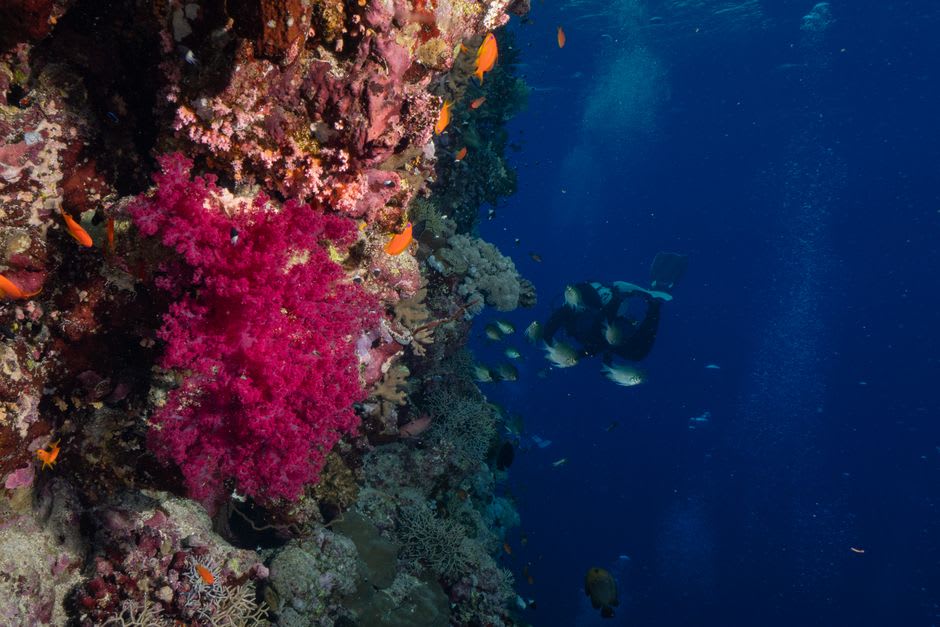
The diving is the entire argument for Sharm, and it’s a strong one. The city sits at the southern tip of the Sinai Peninsula, where the Gulf of Aqaba meets the main body of the Red Sea, and that convergence creates something genuinely unusual: walls that drop from the surface to well past a hundred meters, just offshore, reachable by a fifteen-minute boat ride. Ras Mohammed National Park is technically a separate protected area a short trip south, but most people base themselves in Sharm to dive it — the coral walls at Shark Reef and Yolanda Reef fall away into blue so total it stops registering as water.
What surprised me more than the diving was Old Sharm, or Sharm el-Maya, the original fishing harbor a few kilometers from the resort strip. It’s easy to miss if you stay entirely in Naama Bay, but it’s where I found an actual Egyptian town — a working fish market at dawn, a mosque calling prayer over a harbor still full of wooden boats, tea stalls where the conversation was in Arabic and nobody was selling me a snorkel trip. I sat there one morning with a glass of hibiscus tea and watched fishermen sort a catch of grouper and sat there long enough that the novelty of a European tourist wore off and people stopped noticing me, which is usually the point at which a place starts revealing itself.
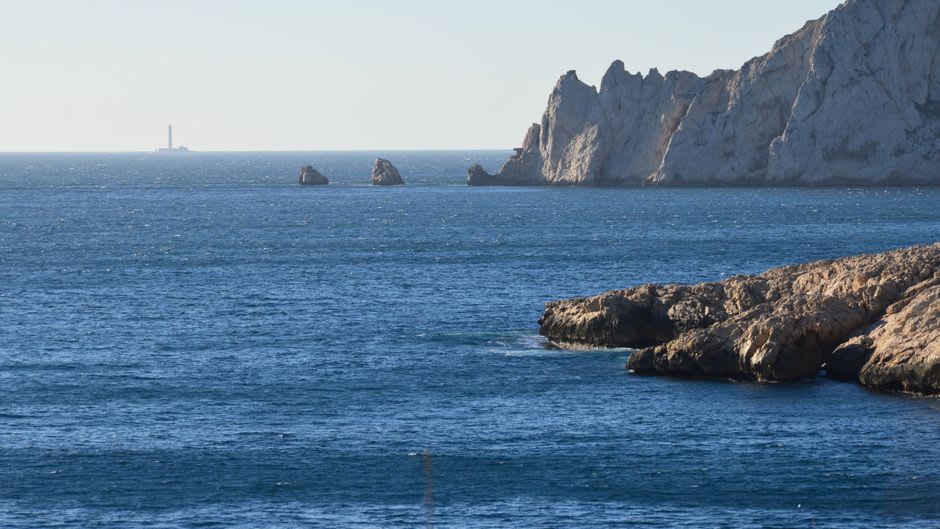
The Ras Umm Sid reef, right at the edge of the hotel zone, gave me one of the best shore dives of the whole trip — a lighthouse on the cliff above, and below it a wall thick with soft corals and gorgonian fans big enough to shelter a diver completely from the current. I went down at sunset and came up in near darkness with a torch, watching the nocturnal reef fish emerge as the day fish tucked themselves into crevices, which is a shift-change I never get tired of watching.
When to go: March through May and September through November for the mildest water temperatures and best diving conditions. Summer is scorching and heavily booked with European package tourists; winter brings cooler air but still excellent visibility for those who don’t mind a wetsuit.