Granite Belt (Stanthorpe)
"Queensland gets cold enough for frost here, and somehow also makes very good wine."
Queensland's cool-climate wine country, high on the Great Dividing Range, where granite boulders, frost and Italian-migrant winemaking traditions produce a very un-tropical version of the state.
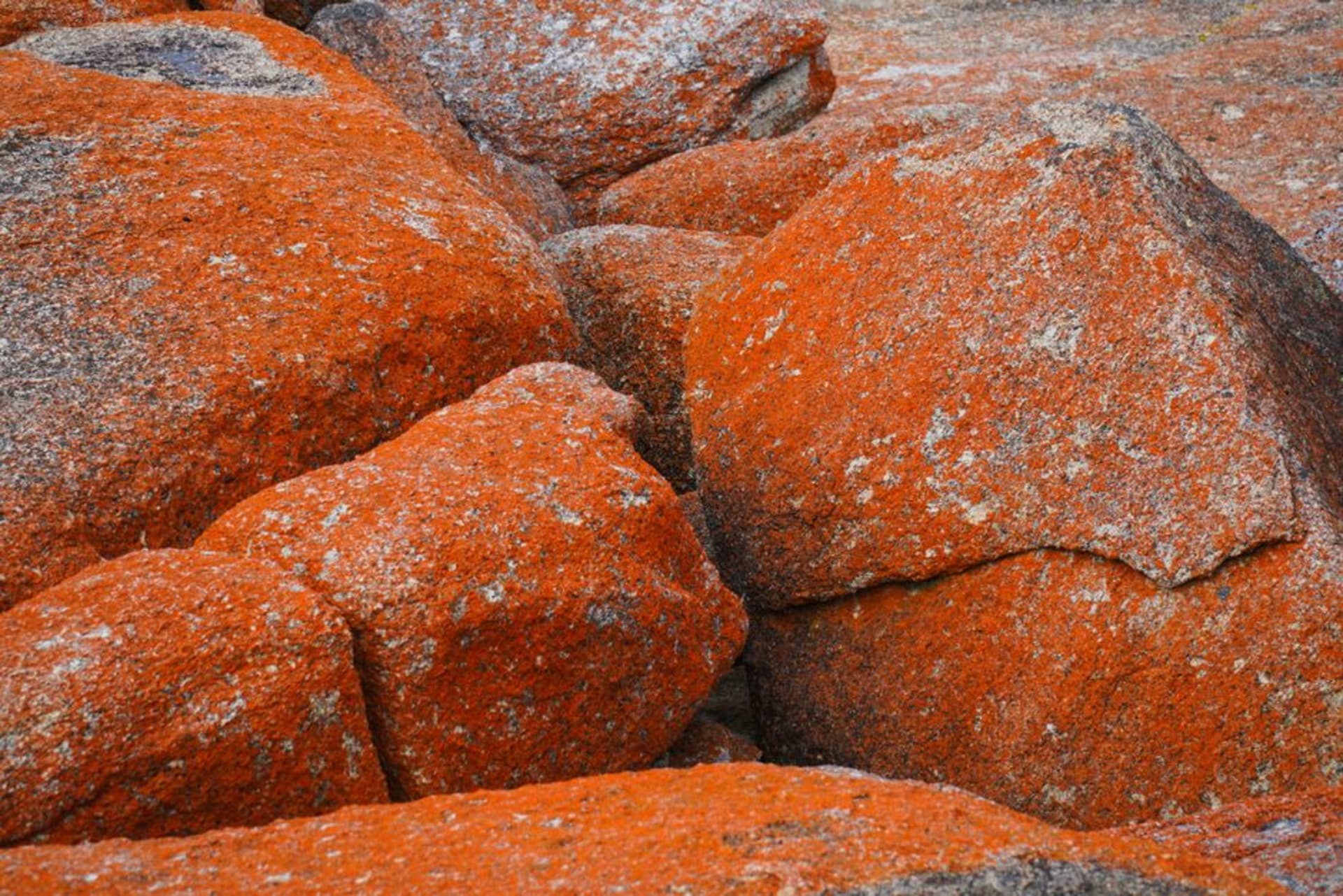
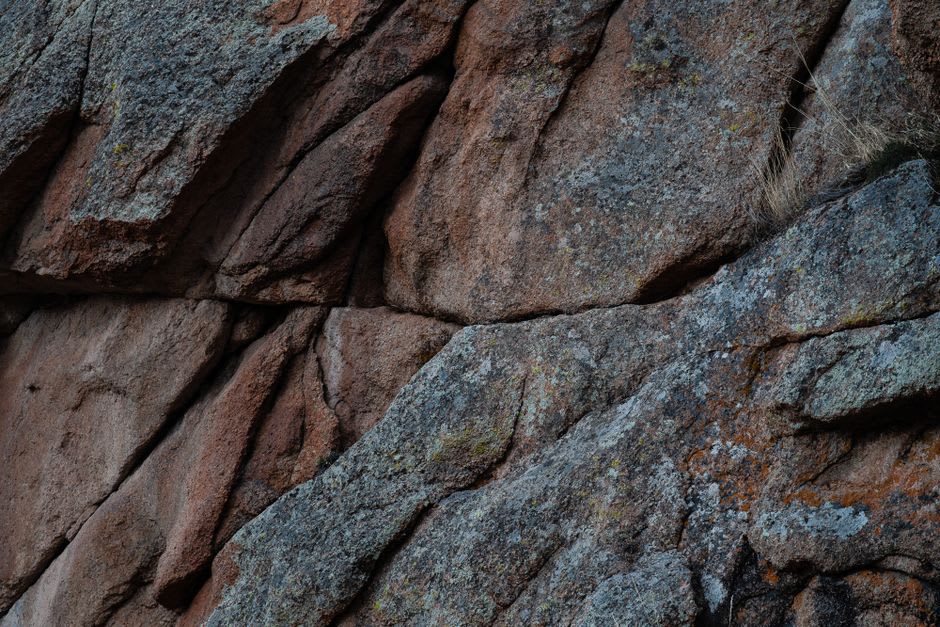
I drove up to Stanthorpe from the Gold Coast expecting a couple of hours of transition and got something closer to a full change of country — the road climbs steadily onto the Great Dividing Range, the air temperature drops noticeably, the vegetation shifts from subtropical to something that looks almost European, and suddenly there are vineyards running along hillsides scattered with huge, weathered granite boulders that look deliberately placed by a sculptor rather than left by geology. This is Queensland’s highest and coldest region, and the locals wear that distinction with visible pride — Stanthorpe holds the record for the state’s lowest recorded temperature, and frost in the vineyards each winter is treated less as a hardship than as proof the wine here is doing something genuinely different.
The wine industry here traces back to Italian migrants who settled the region last century and planted vines alongside the tobacco and stone fruit that had originally brought them, and that heritage still shows in family-run cellar doors where the person pouring your tasting is often the same person who pruned the vines that morning. I spent an afternoon working through a handful of cellar doors around Ballandean and was won over less by any single wine than by the total absence of pretension — a strambotto of shiraz, verdelho and unfamiliar Italian varietals like nero d’Avola, served by winemakers who talked about frost risk and soil pH with the same easy fluency other Australians reserve for footy.
The Granite Belt’s food culture has grown up alongside the wine — stone fruit orchards produce some of the best peaches and apples in the country, farm-gate stalls sell strawberries in season, and the region has become genuinely serious about paddock-to-plate dining in a way that surprised me for somewhere this far from a capital city. Girraween National Park, just south of Stanthorpe, adds a hiking dimension entirely different from anything else in the state — granite domes and balancing boulders the size of houses, walking tracks through stringybark forest that feel closer to parts of the Australian Alps than to tropical Queensland just a few hours’ drive away.
Winter nights here get cold enough for open fires and mulled wine, an entirely unexpected register for a state most people associate with reef and rainforest, and I found something genuinely restorative in that contrast after weeks further north.
When to go: Autumn, March through May, brings harvest season, cellar-door events and the best food, with the stone fruit and grapes both at their peak. Winter, June through August, is cold and clear — good for hiking Girraween and appreciating a fireplace, which is not a sentence I expected to write about Queensland.