Kamouraska
"Kamouraska has been painted so many times that arriving in person feels slightly like walking into someone else's memory."
A village so small and so photogenic that Quebec's landscape painters treat it as a genre unto itself — low tide here turns the St. Lawrence into a mile of silver mudflats and driftwood.
We drove down from Quebec City along Route 132, the river slowly widening beside us into something closer to a bay than a waterway, and reached Kamouraska in the low orange light of a September early evening — which, it turns out, is precisely the hour every painting of this village is trying to capture. The houses along the main street face the St. Lawrence directly, a row of eighteenth and nineteenth century homes in wood and stone, mansard roofs, small gardens, the whole thing arranged as if a committee of landscape artists had zoned it that way on purpose. Lia, who studied a bit of art history before switching to something more employable, recognized the view before I’d even parked the car. “This is the exact angle from the paintings,” she said, and she wasn’t exaggerating — Kamouraska has been a subject for Quebec painters since at least the Group of Seven’s era, drawn back by a light that does something specific here, flattening and gilding at once.
The real spectacle, though, is the tide. Kamouraska sits where the St. Lawrence estuary is wide enough and shallow enough that low tide exposes an enormous flat of silver mud and sculpted sandbars stretching out for what looks like a kilometre, driftwood scattered across it in bleached grey shapes, shorebirds working the mud for whatever the retreating water left behind. We walked out onto the flats at low tide in rubber boots borrowed from our B&B, sinking slightly with each step, the village behind us and nothing but wet silver ahead. It’s one of those landscapes that photographs poorly because photographs can’t carry the smell of it — salt, mud, distant spruce — or the total silence, broken only by birds and the occasional creak of a lobster boat pulling against its mooring somewhere out past where the flats end.
The village itself is small enough to walk end to end in twenty minutes, which we did twice, once before dinner and once after, mostly because the light kept changing and each version seemed worth a second look. There’s a small museum devoted to the region’s history — Kamouraska was a summer retreat for Quebec’s elite in the 1800s, and later gave its name to a novel and film by Anne Hébert about a scandalous 19th-century murder that still gets mentioned by anyone local you ask about the place’s history. Dinner was smoked eel, a regional specialty I hadn’t planned on liking and did.
When to go: Low tide reveals the mudflats twice daily — check tide tables and time your visit around one. Late August through September for the best light and fewer visitors than Charlevoix draws just across the river. A short detour off Route 132, worth the half-day it costs you.
Keep exploring
More from Québec
 quebec
 Knowlton
A boutique village on Lac Brome, known for its ducks, its antique shops, and a main street that rewards slow walking.
Explore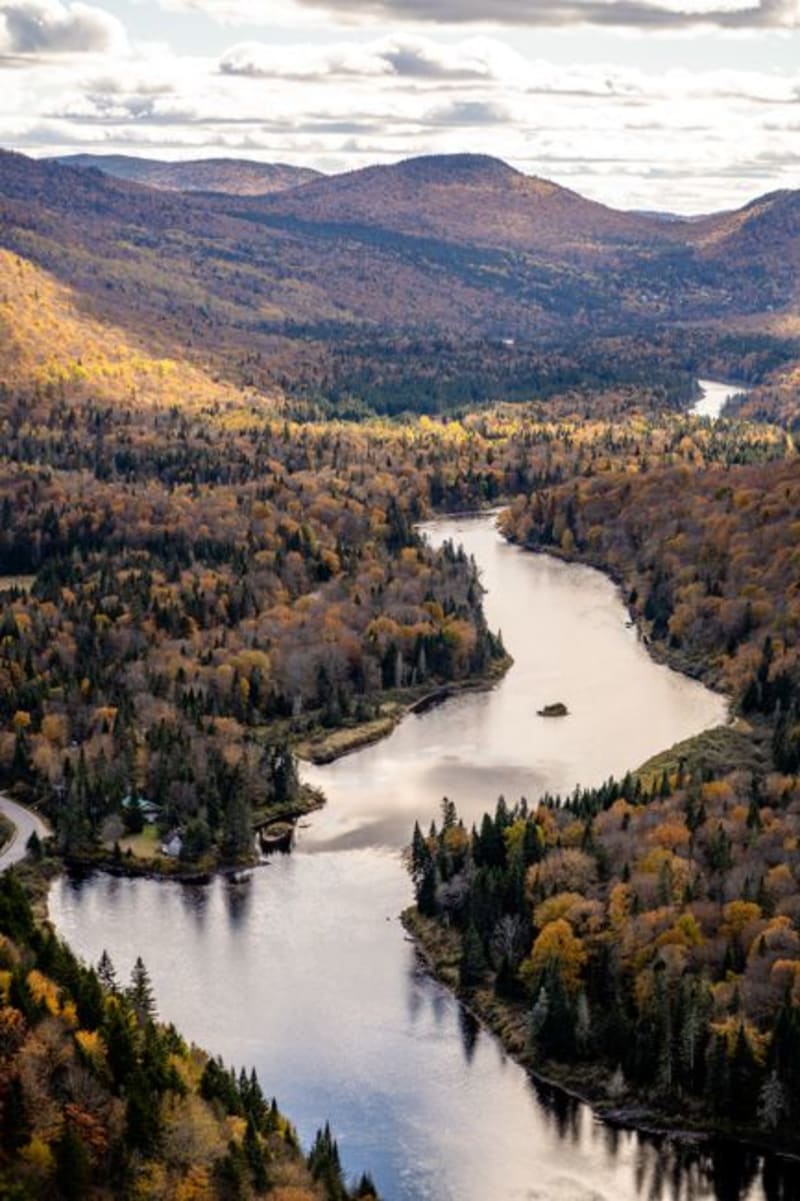 quebec
 La Malbaie
A Charlevoix resort town built by wealthy summer visitors over a century ago, still carrying that slightly formal, slightly faded grandeur beside the widening St. Lawrence.
Explore quebec
 La Pulperie de Chicoutimi
The ruined pulp mill on the Saguenay's edge that once made Chicoutimi the paper capital of the world — now a museum complex holding the flood-displaced house of a regional painter.
Explore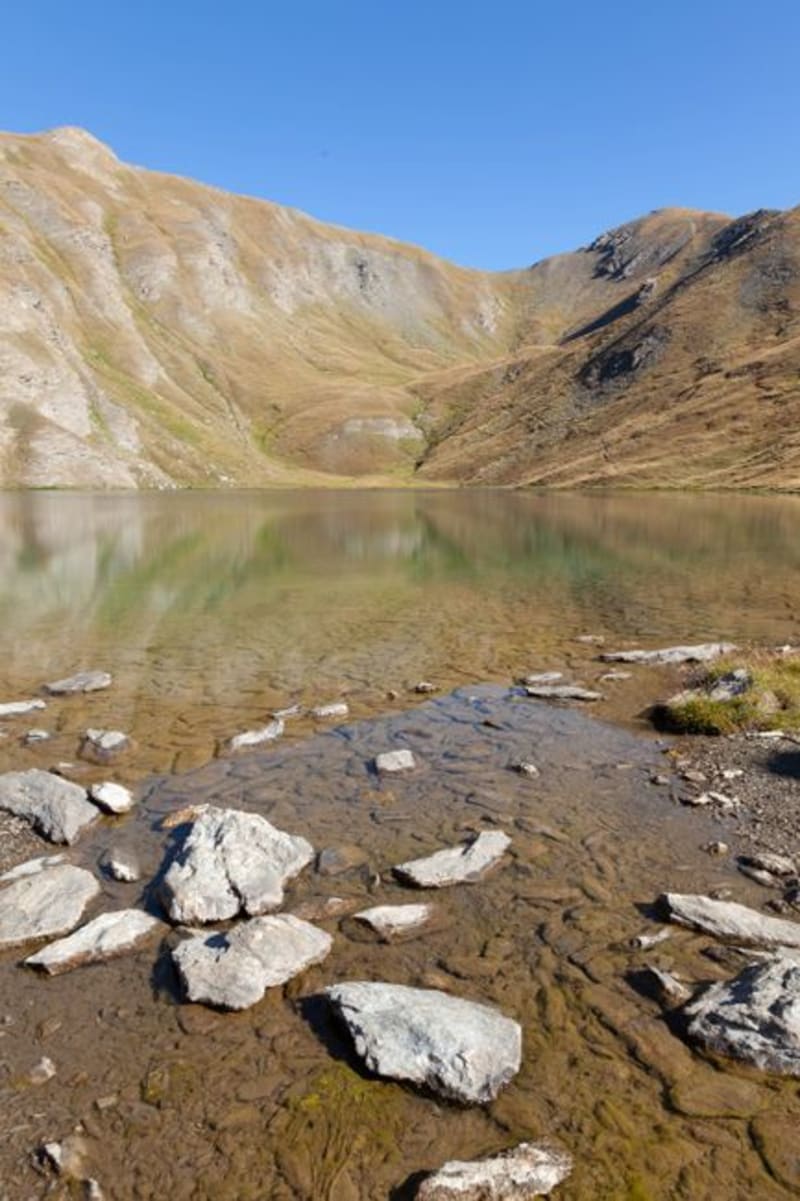 quebec
 Lac-Saint-Jean
A freshwater sea ringed by sand beaches and blueberry fields, with a culture — and a fish — entirely its own, tucked behind the Laurentians an hour north of the Saguenay fjord.
Explore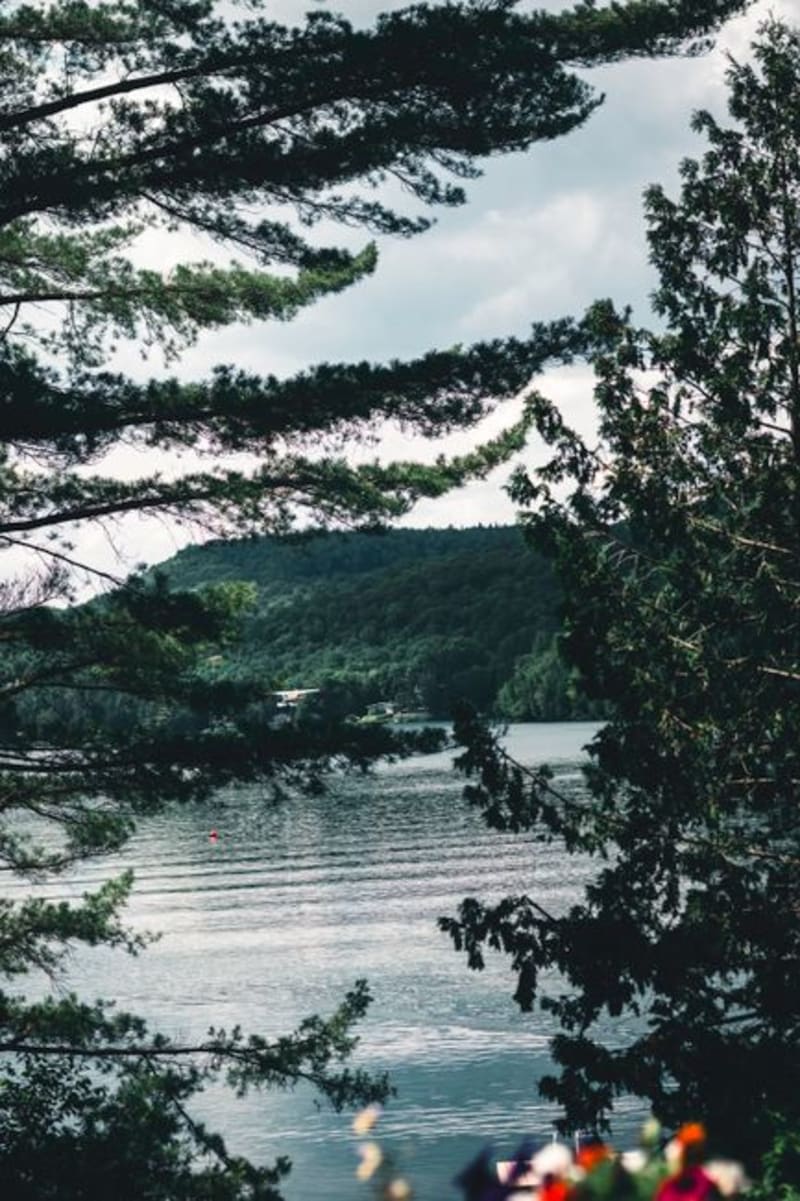 quebec
 Lake Massawippi
A long glacial lake ringed by Victorian summer estates and quiet forest — the Eastern Townships at their most unhurried.
Explore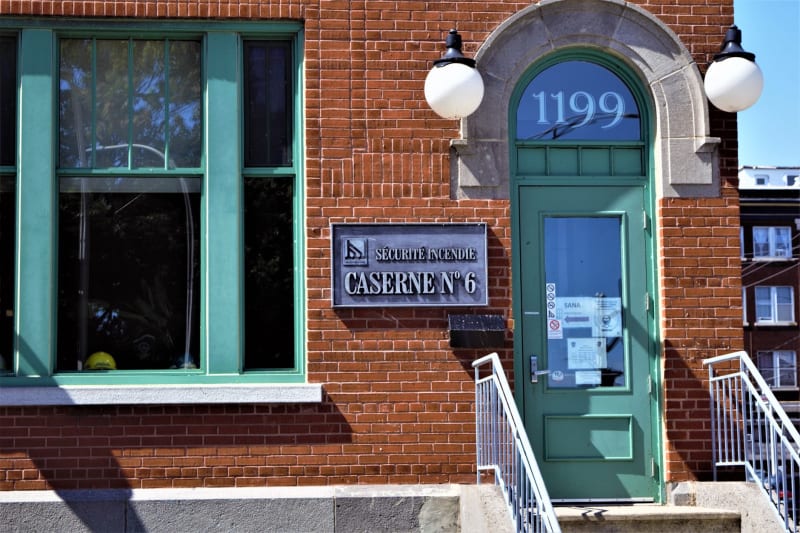 quebec
 Limoilou
The neighbourhood Quebec City forgot for 40 years and then rediscovered — now it has the best Saturday market in the province.
Explore