Cap-de-la-Madeleine
"At Cap-de-la-Madeleine, a bridge made of ice that shouldn't have held is the reason a whole pilgrimage site exists."
A riverside pilgrimage site where a 17th-century chapel and a modern basilica sit side by side, and a bridge of ice once changed a nation's faith.
I’m not a religious person, and I went to Cap-de-la-Madeleine mostly because the story attached to it was too good to skip. In 1879, a local priest needed stone from across the frozen St. Lawrence to build a new church, and the ice — usually unreliable that late in the season — held for exactly as long as it took to haul the stone across, then broke up days later. The “bridge of ice” became a local miracle, the old wooden chapel it saved was preserved rather than demolished, and Cap-de-la-Madeleine grew, over the following century, into one of the most significant Catholic pilgrimage sites in North America.
The site now on the St. Lawrence riverbank, just outside Trois-Rivières, holds both the original 1714 chapel — one of the oldest wooden churches still standing in Québec, plain and small and genuinely moving in its simplicity — and a much larger modern basilica built in the 1960s, a striking piece of mid-century religious architecture with a soaring concrete structure that lets river light pour through coloured glass. Walking between the two, centuries apart in construction, you get a compressed timeline of Québécois Catholicism: from austere colonial devotion to the more expansive, almost brutalist faith of the postwar boom.
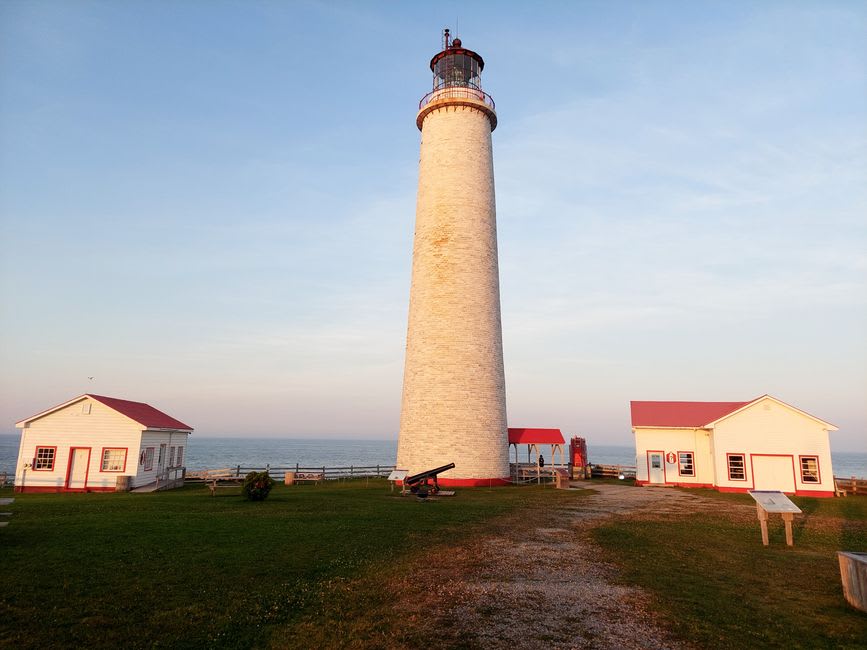
The gardens along the riverfront are genuinely lovely regardless of belief — well-tended paths, statuary, benches facing the wide St. Lawrence — and on the June afternoon I visited, a small group of pilgrims were praying the rosary in French near the old chapel while, twenty metres away, a family had a riverside picnic entirely unrelated to any of it. The site holds both uses without friction, which felt like a very Québécois kind of coexistence: devotion and daily life sharing the same patch of grass.
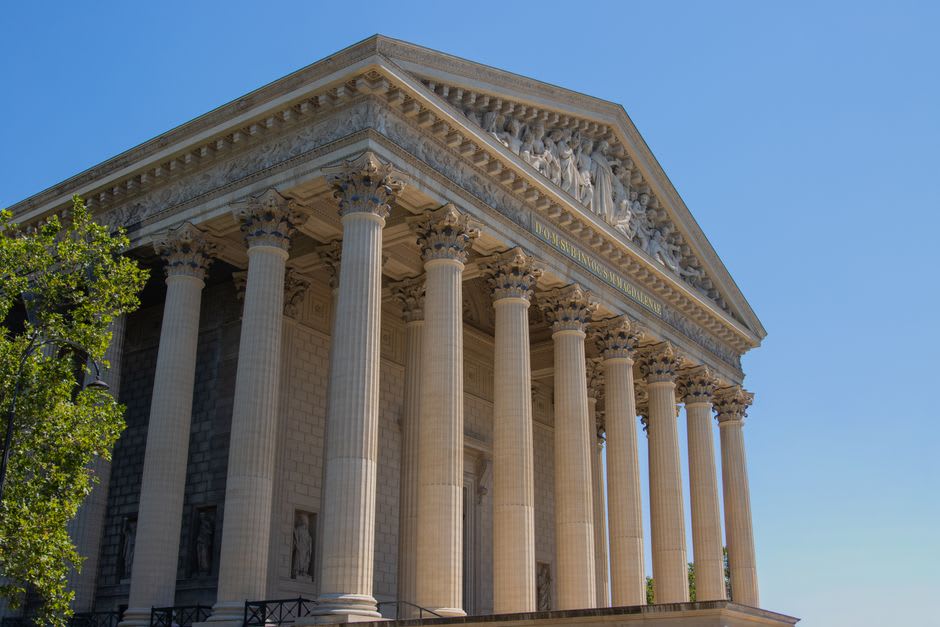
Whatever your relationship to faith, the place is worth the half-hour from Trois-Rivières for the architecture and the river views alone, and the story of the ice bridge — a genuine, documented meteorological anomaly that a whole religious tradition grew up around — is one of the better pieces of only-in-Québec history I’ve come across.
When to go: Summer for the gardens in full bloom and the major pilgrimage events, including a significant one around Assumption in mid-August. The site is open year-round, and a winter visit, with the frozen river as backdrop, carries an obvious echo of the original story.
Keep exploring
More from Québec
 quebec
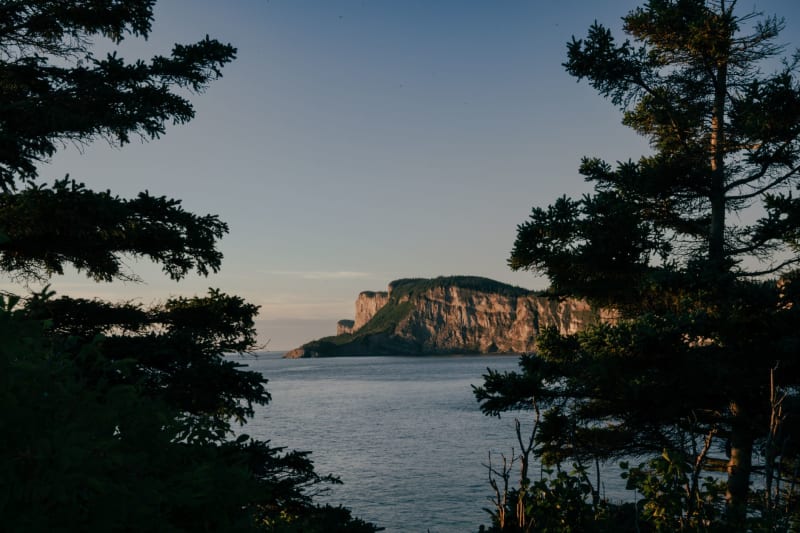
 Cap Tourmente
The wildlife reserve where 50,000 snow geese descend twice a year, turning the tidal flats white in a spectacle that is almost incomprehensibly loud.
Explore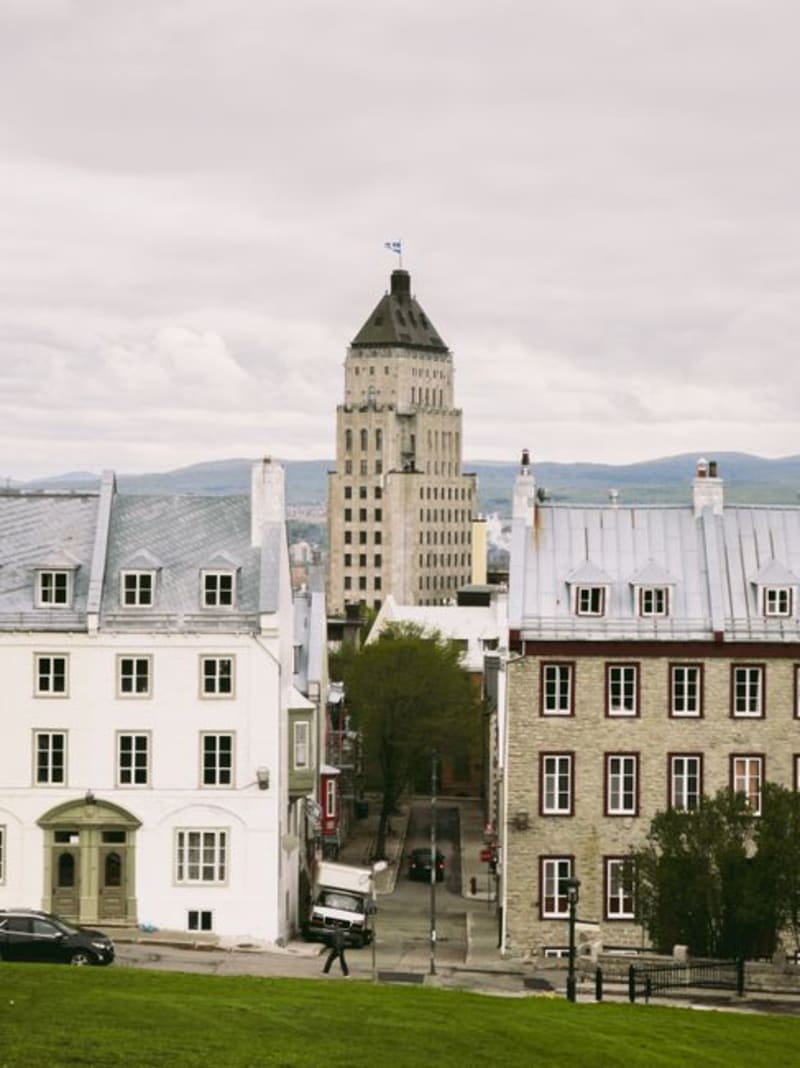 quebec
 Carleton-sur-Mer
A sandbar town on the warmest bay in the Gulf of St. Lawrence, with a mountain behind it that hands you the whole Baie des Chaleurs in one view.
Explore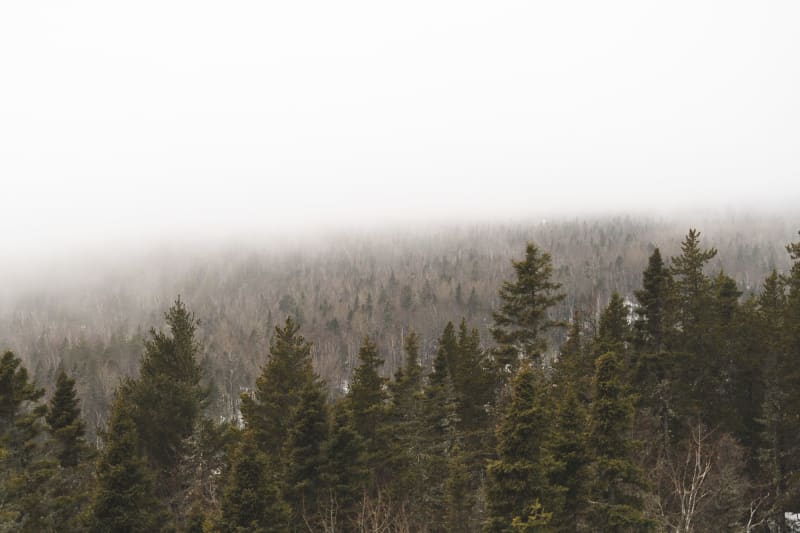 quebec
 Charlevoix
A biosphere reserve carved by a meteorite and draped in maple forest — the landscape here has the ambition of geology, not scenery.
Explore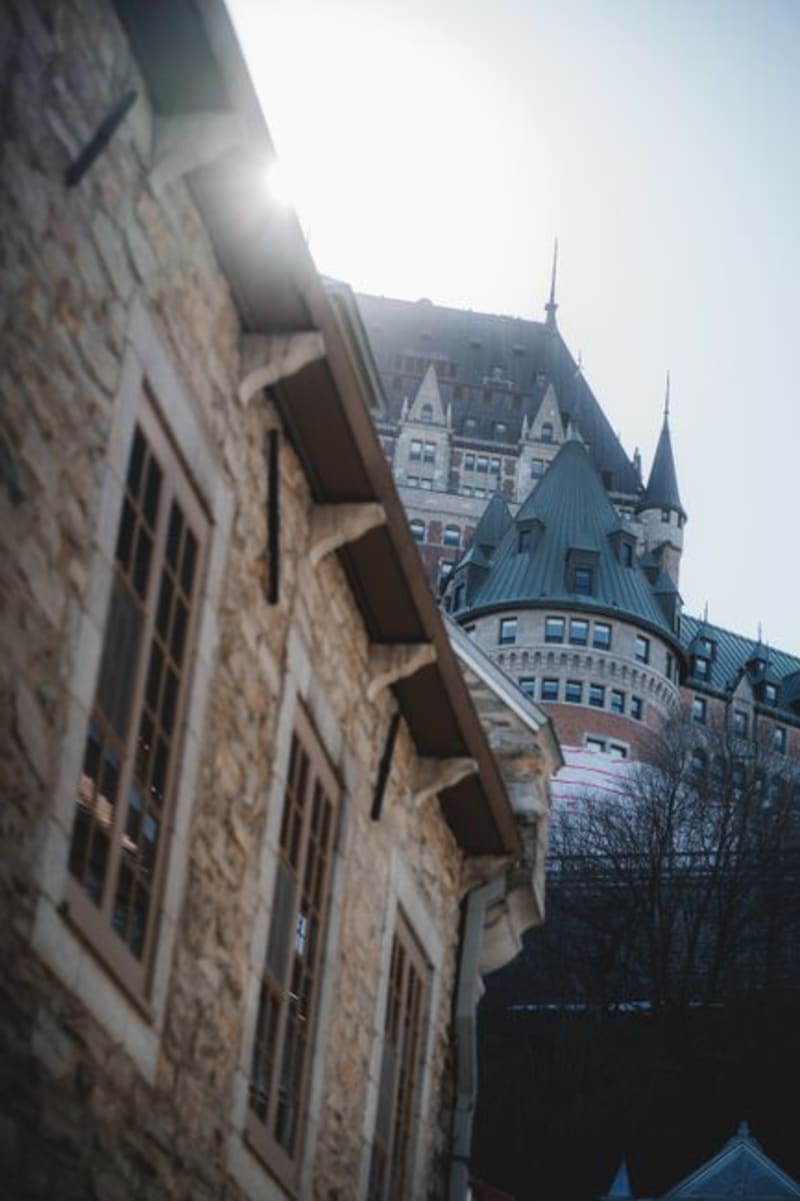 quebec
 Château Frontenac
The copper-roofed castle-hotel that decided, over a century ago, what a skyline is supposed to look like — and Quebec City never argued back.
Explore quebec
 Chic-Chocs
The only place south of the Arctic where caribou still roam wild in Quebec — an alpine range punched up out of the middle of the Gaspé peninsula.
Explore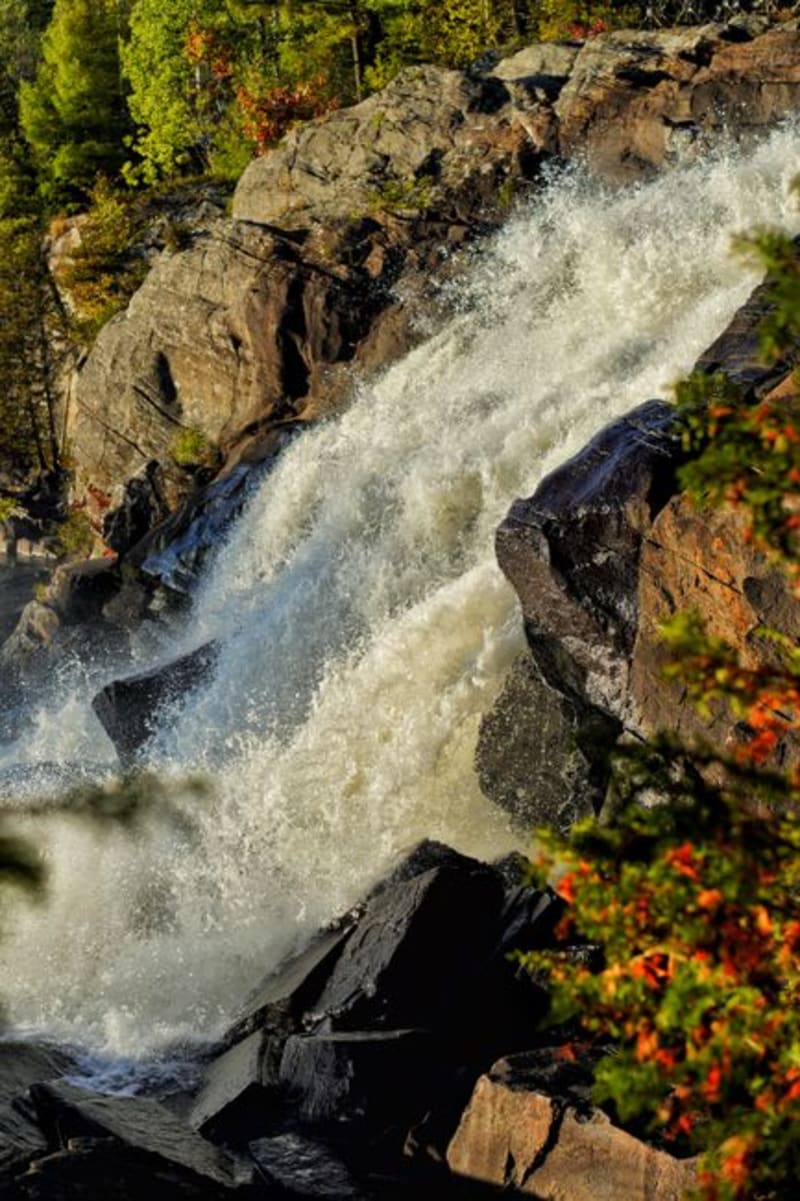 quebec
 Chutes Coulonge
A 48-metre waterfall near Fort-Coulonge with a 19th-century log-driving history written into the gorge walls.
Explore