Msheireb
"Four houses told me more about Qatar's twentieth century than any newspaper archive could."
I nearly missed Msheireb entirely. My first two days in Doha I had stayed close to the waterfront and the souq, and when a café owner in Souq Waqif told me to walk west for twenty minutes I was skeptical that anything worth finding was in that direction. What I discovered was a neighborhood that seemed to have been designed by someone who had thought harder about what Doha actually was, and what it might become, than the glass-tower planners of West Bay.
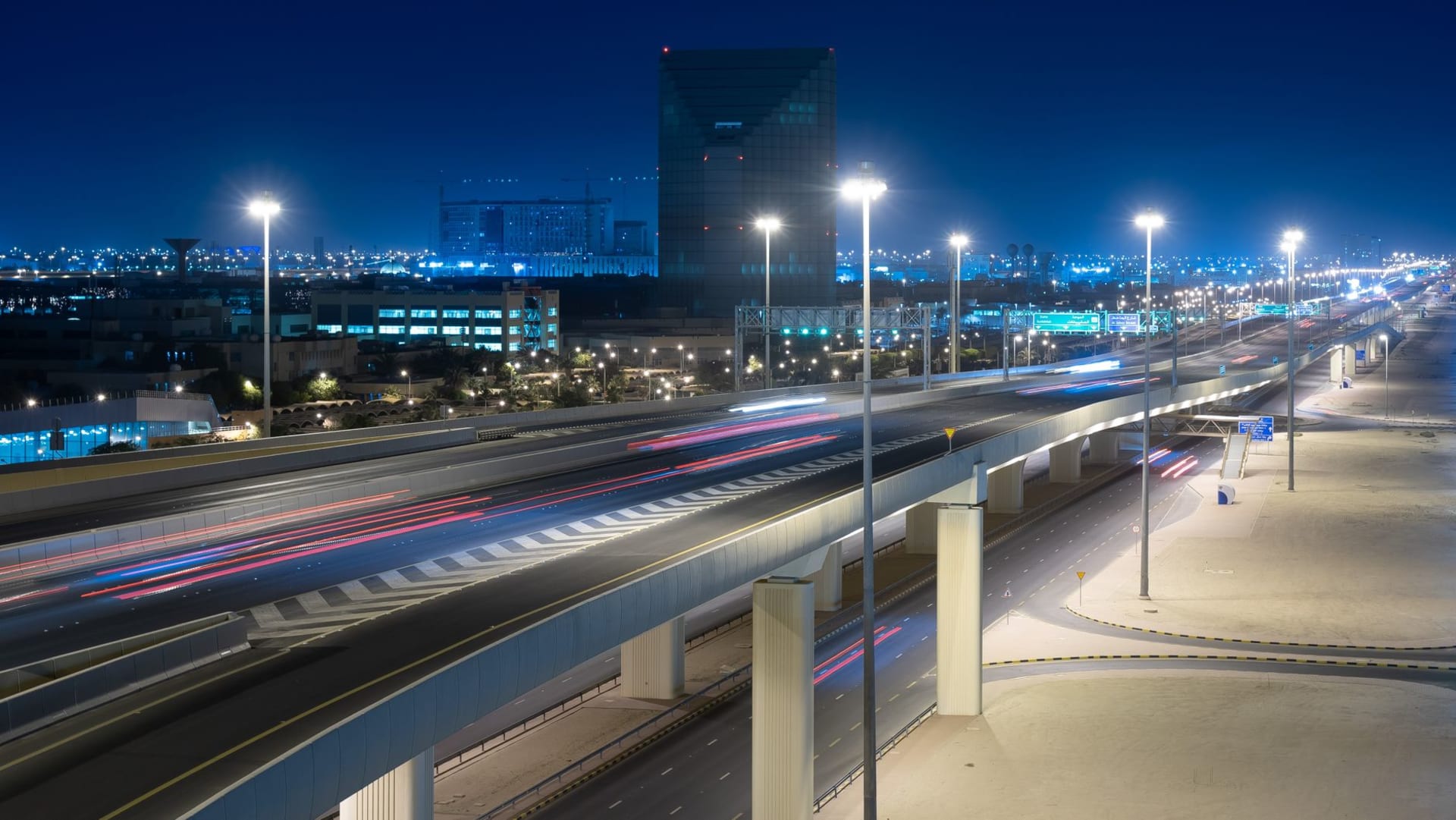
Msheireb Downtown Doha is a development project on the site of the original downtown, which had been largely demolished in the 1970s as oil money drove the city outward and upward. The new buildings are low-rise and shade-focused, designed with passive cooling strategies borrowed from traditional Gulf architecture — thick walls, narrow streets, courtyard houses, pergolas. Walking from Souq Waqif into Msheireb, you notice that your body temperature drops by what feels like several degrees. The streets have been laid out to channel breezes. The limestone is pale enough to reflect rather than absorb heat. It is not a perfect city, but it is a thoughtful one.

The Msheireb Museums occupy four restored houses that once belonged to the pearl merchants of the original neighborhood, and they constitute, together, the best account of modern Qatar I found anywhere in the country. Mohammed bin Jassim House covers the pre-oil period — the pearl trade, the fishing economy, the specific texture of life in a Gulf town before air conditioning and concrete. Bin Jelmood House deals with the history of slavery and indentured labor in the Gulf, with a directness that surprised me. The Company House addresses Qatar’s relationship with the British-run oil company that first exploited the peninsula’s reserves. Radwani House reconstructs a 1930s Qatari domestic interior with objects and oral histories.
What these four houses do collectively is provide an actual narrative — cause and effect, gain and loss, the specific human consequences of economic transformation. I spent three hours in them and left understanding Qatar as a place with a history, not merely a place with money. The bin Jelmood slavery museum in particular is an act of institutional courage. The objects — shackles, account ledgers listing human beings as commodities, the recorded testimonies of enslaved people’s descendants — are displayed with a care that takes the subject seriously rather than neutralizing it.

After the museums I sat in the Msheireb Arts Centre café and ate a machboos — Qatar’s national rice dish, the chicken slow-cooked with dried limes and spices, fragrant and slightly bitter in the best way — while watching the after-school foot traffic of the neighborhood. Children. Expat couples. A Qatari man reading on his phone at a courtyard table. The neighborhood is new enough to still be finding its rhythm, but old enough at its core — the four houses, the inherited street alignments — to feel like it has a reason to exist beyond investment.
When to go: The museums are open year-round, air-conditioned throughout, and make an excellent full-morning itinerary in any season. The outdoor streets of Msheireb are best November through March. A Thursday or Friday visit catches the neighborhood at its most social, when the courtyard cafés fill and the arts centre has events programmed.