
Valença
"Valença spent three centuries built to keep Spain out, and now it just sells them cheap towels."
A star-shaped fortress town glaring across the Minho river at Spain, its double ring of 17th-century walls still standing guard over a border that hasn't needed guarding in decades.
I walked into Valença’s old town through one of the vaulted gates in the outer wall and immediately lost my sense of direction, which I later learned is by design — the fortress was laid out in a star pattern specifically to confuse anyone attacking it, with bastions angled so defenders could fire along every approach with no blind spots. From the ramparts, though, disorientation gives way to one of the most striking views on the whole Minho border: the river below, the international bridge designed by one of Gustave Eiffel’s students, and on the far bank, Spain’s own fortress town of Tui, its cathedral tower answering Valença’s walls almost symmetrically. Two fortified towns built to stare each other down for three hundred years, now separated by a ten-minute walk across a bridge that nobody bothers to check anymore.
A Fortress That Became a Shopping Trip
What surprised me most wasn’t the military history — it was discovering that modern Valença has turned its entire fortified old town into something like a linens and towel bazaar. Shop after shop inside those 17th-century walls sells embroidered tablecloths, bedsheets, and bath towels to Spanish day-trippers who cross the border specifically for the prices, a tradition that apparently dates back decades to when goods were cheaper on the Portuguese side. It’s a strange, almost funny collision — Vauban-style fortifications, built by French military engineers under Portuguese command to repel Spanish invasions, now housing linen shops with mannequins in the window wearing bathrobes. I bought a set of towels I absolutely didn’t need just because the shopkeeper was so pleased I was Portuguese-resident and not just passing through.
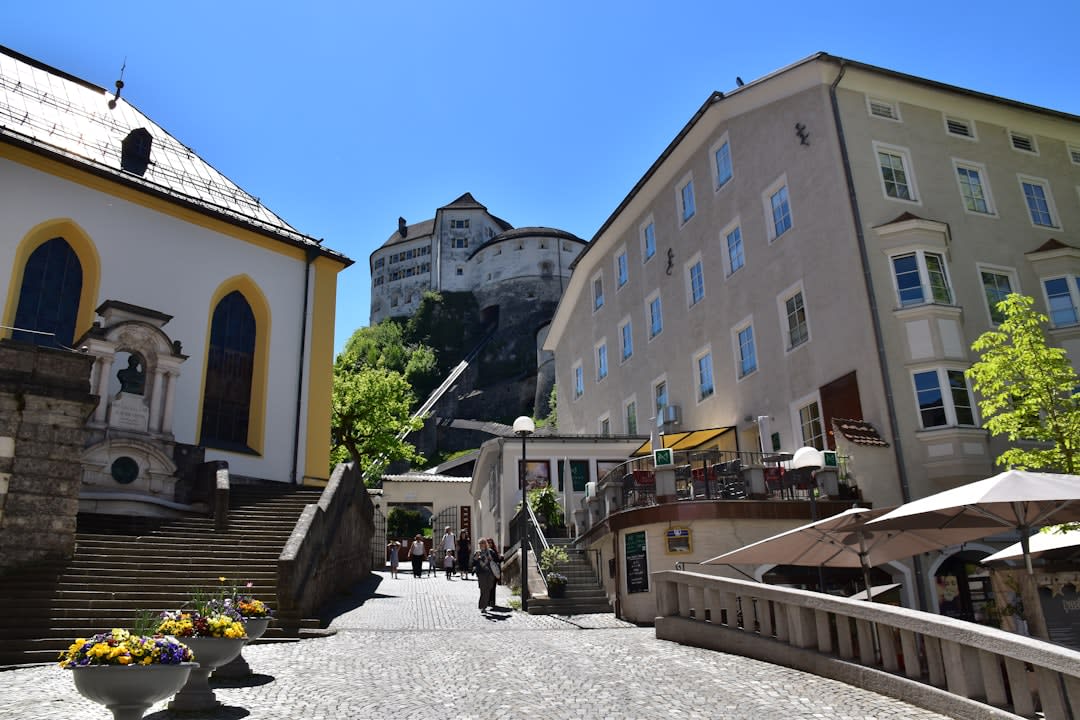
I spent the better part of an evening just walking the ramparts as the light went gold over the river, past a small chapel built into the wall itself and a row of cannons that still point toward Spain out of habit more than necessity. A local man walking his dog told me his grandfather used to smuggle coffee and sugar across the river during the dictatorship years, rowing at night when the border guards weren’t watching — a detail that made the whole fortress feel less like a monument and more like a place where real, recent, slightly illicit history had happened.
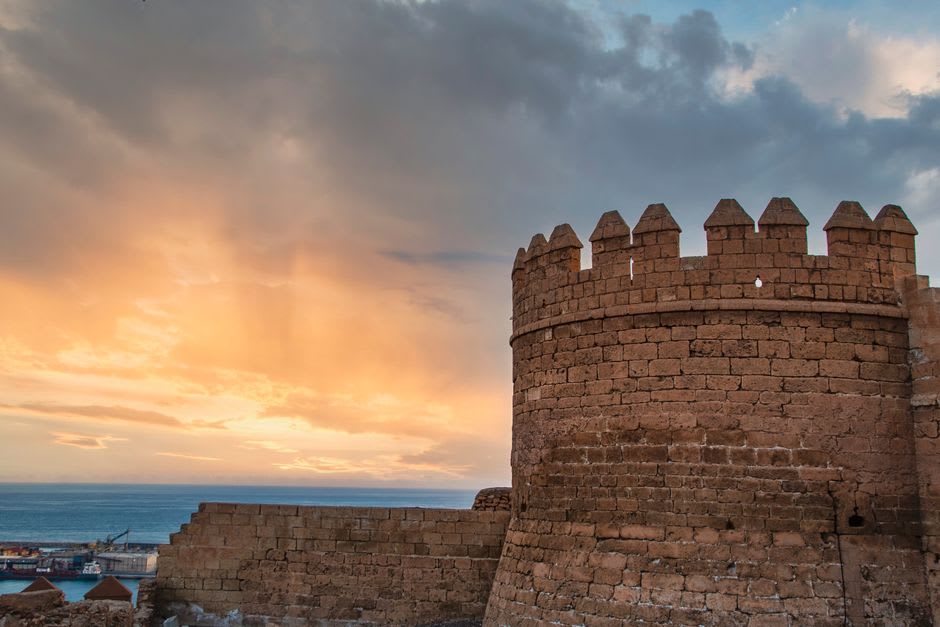
When to go: Spring or early autumn, when the ramparts are pleasant for walking and the town isn’t overwhelmed by weekend shopping crowds from across the border.