
Sesimbra
"Sesimbra is what happens when a fishing village refuses to become a resort, and everyone who's found it is grateful."
A whitewashed fishing town stacked below a Moorish hilltop castle, where the swordfish comes off the boat that morning and the beach still smells faintly of salt and diesel.
I came over the hills from Setúbal on a bus that hairpinned down through pine forest until the whole bay opened up beneath me — Sesimbra spilling white and low toward a curve of golden sand, the Atlantic doing its flattest, bluest impression that day. The town has that layered look so many Portuguese fishing villages share, houses stacked up the hillside like they’re jostling for a sea view, but Sesimbra wears it without any polish. Old men were mending nets on the sidewalk outside the harbor when I arrived, paying no attention to the tourists stepping around them, and a woman was selling barnacles — percebes, gathered from the rocks nearby at real risk to whoever collects them — out of a bucket at the edge of the fish market.
A Castle Watching the Sea
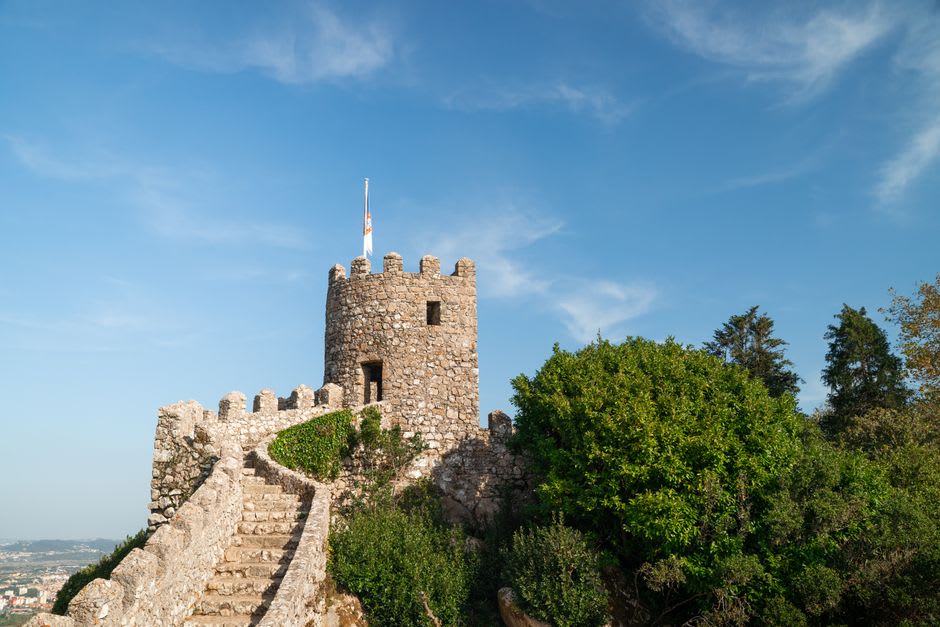
Above the town, the Castelo de Sesimbra sits on its hill exactly where the Moors built it a thousand years ago to watch for exactly the kind of trouble that eventually arrived — the Christian reconquest under Afonso Henriques took the castle in the twelfth century, and what remains is a stripped-down ring of walls enclosing a small whitewashed chapel, more evocative for being empty. I walked up in the early evening, sweating through the switchback road, and had the ramparts to myself except for one other couple and a cat that seemed to own the place. From up there Sesimbra reads like a map: the harbor, the curve of Praia da California, and out past the headland, José beach, tucked into its own cove and reachable only by a steep path or a small boat, which is exactly why it stays quiet.
Swordfish and a Slow Dinner
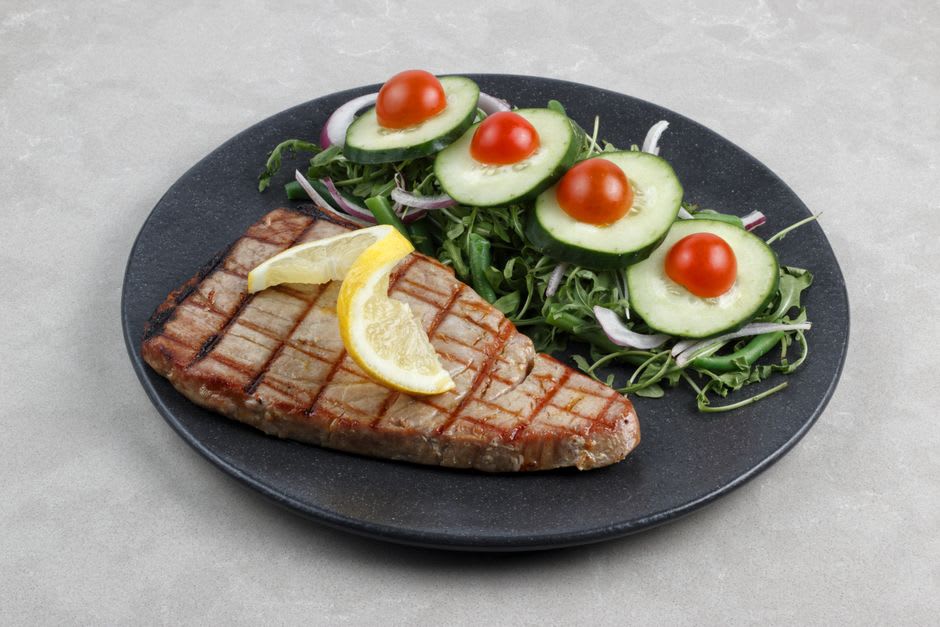
Sesimbra is serious about its espadarte — swordfish, grilled whole or in thick steaks, landed by a fleet that still fishes the deep waters off Cabo Espichel using methods locals will explain to you at length if you ask. I ate at a place two streets back from the water, plastic tablecloth, no menu translated into English, and had swordfish so fresh it barely needed the lemon squeezed over it, alongside boiled potatoes and a green salad that tasted like it had been picked that morning. The owner brought me a glass of the house wine unasked and sat for a minute to ask where I was from, the way meals here seem to naturally slow down rather than rush toward the check.
When to go: June or September, when the water off Praia da California is warm enough to swim but the town hasn’t filled with the Lisbon weekend crowd that arrives every July and August.