
Provesende
"Provesende is what the Douro looked like before anyone thought to photograph it."
A cluster of granite manor houses and quintas hidden in a fold of the Douro hills, where the wine has been made the same way for three centuries and almost nobody visits.
I nearly drove past the turnoff twice. There’s no sign screaming for attention, just a narrow road peeling off the N222 and climbing into vineyard terraces until, without warning, you’re in a village square lined with seventeenth-century manor houses that look like they were built by people who expected the wine trade to make them rich forever — and for a while, it did. Provesende was one of the great quinta villages of the Douro before Porto and Pinhão took over the postcards, and it still carries itself with the quiet confidence of old money that has mostly moved on. I parked by the fountain, and for a long minute the only sound was a rooster somewhere behind a stone wall and the wind moving through the terraces below.
A Village Built on Nine Manor Houses
Locals will tell you, with a straight face, that Provesende once had more coats of arms per capita than any village in Portugal — nine noble manor houses crowded into a settlement of a few hundred people, each with its own carved granite portal and wrought-iron balcony facing the square as if daring the neighbors to build grander. Walking between them, I kept stopping to read the worn family crests above the doorways, half of them illegible now, softened by three hundred years of Douro summers. An old man tending grape rows just outside the village center waved me over without a word of introduction and simply handed me a fig off his tree, the way you’d hand a stranger a chair.
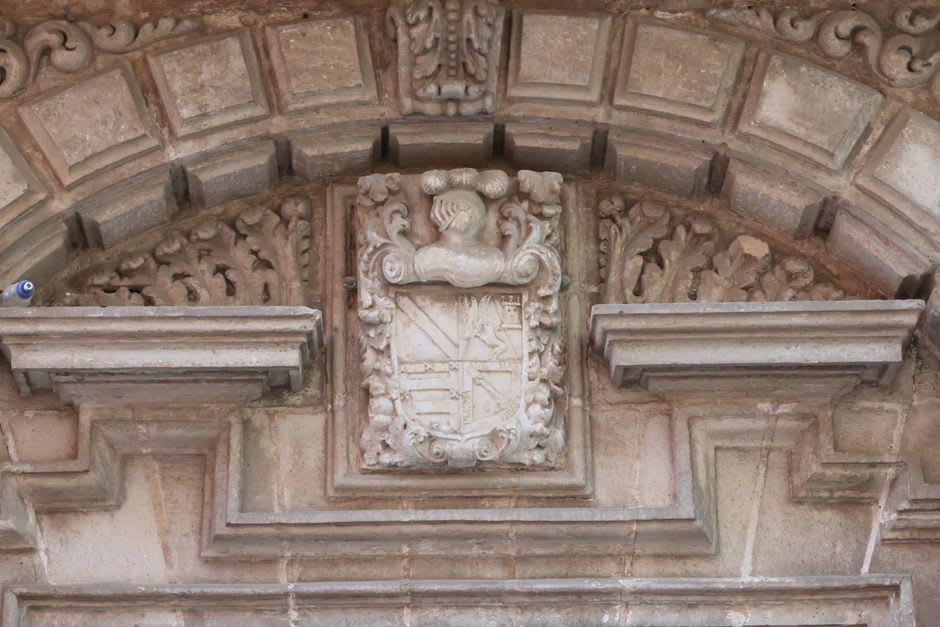
The vineyards here climb in narrow terraces called socalcos, held up by dry-stone walls that predate tractors and modern irrigation by a couple of centuries, and the family quintas around Provesende still send their grapes down to the river the way they always have, just now by truck instead of barco rabelo. I stopped at a small adega where a woman was bottling last year’s tinto by hand, no label yet, and she poured me a glass standing at the counter — dense, almost peppery, nothing like the polished port you’d get at a Porto wine bar. She told me the schist soil here does something to the grapes that no other Douro sub-region quite replicates, and I believed her, mostly because there was no reason for her to be selling me anything.
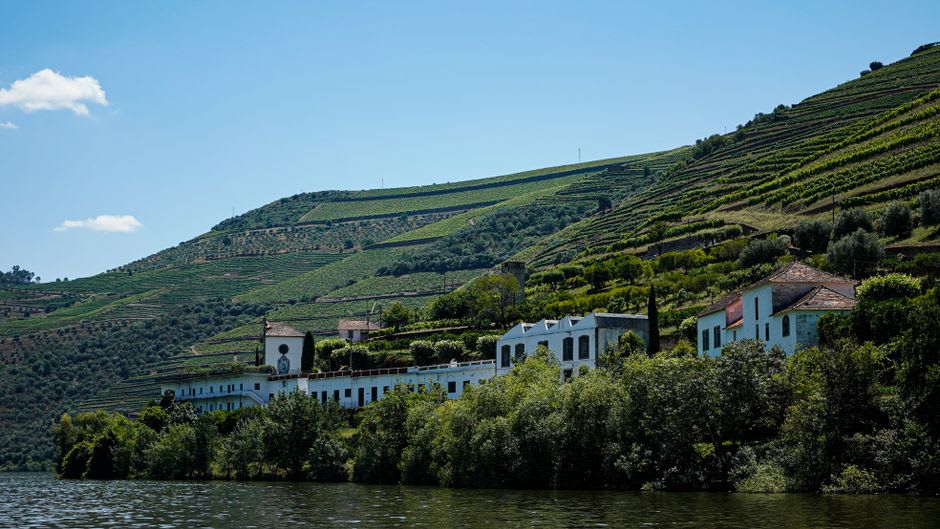
I left in the late afternoon with the light doing that low, honeyed Douro thing across the terraces, and realized I’d spent three hours in a village most guidebooks don’t mention at all.
When to go: September and early October, during the vindima grape harvest, when the quintas are busiest and you can sometimes talk your way into watching — or even helping with — the pressing.