
Ponte de Lima
"Ponte de Lima doesn't try to impress you. It just keeps being unreasonably beautiful and lets you notice on your own time."
Portugal's oldest chartered town drapes itself along a slow green river, its Roman-medieval bridge and biweekly market feeling less like a tourist stop than a place time simply forgot to hurry.
I crossed into Ponte de Lima on foot, over the bridge that gives the town its name, and stopped halfway across just to look — the Lima river running wide and glassy beneath a row of stone arches that starts Roman and finishes medieval, so seamlessly you’d need a historian to point out where one era ends and the other begins. The riverbank on either side is planted with tall poplars in neat rows, giving the whole scene a landscaped, almost French elegance that felt entirely at odds with how sleepy the town actually was on the Tuesday afternoon I arrived — a few old men on a bench, a dog asleep in the shade, nothing that suggested this was the oldest town in Portugal to receive its charter, back in 1125.
Market Day on the Riverbank
I’d come without checking the calendar and got lucky: it was market day, held every other Monday on the sandy flats beside the river, a tradition that locals trace back centuries and that still functions as a genuine regional market rather than a tourist bazaar. Farmers trucked in from the Minho hills to sell cabbages, cured hams, live chickens in wire crates, cheeses wrapped in cloth, alongside stalls of cheap clothes and hardware that told me this was still primarily for the people who live here. I bought a wedge of queijo da Serra and ate it on a bench by the water, watching vendors argue good-naturedly with regulars over the price of onions.
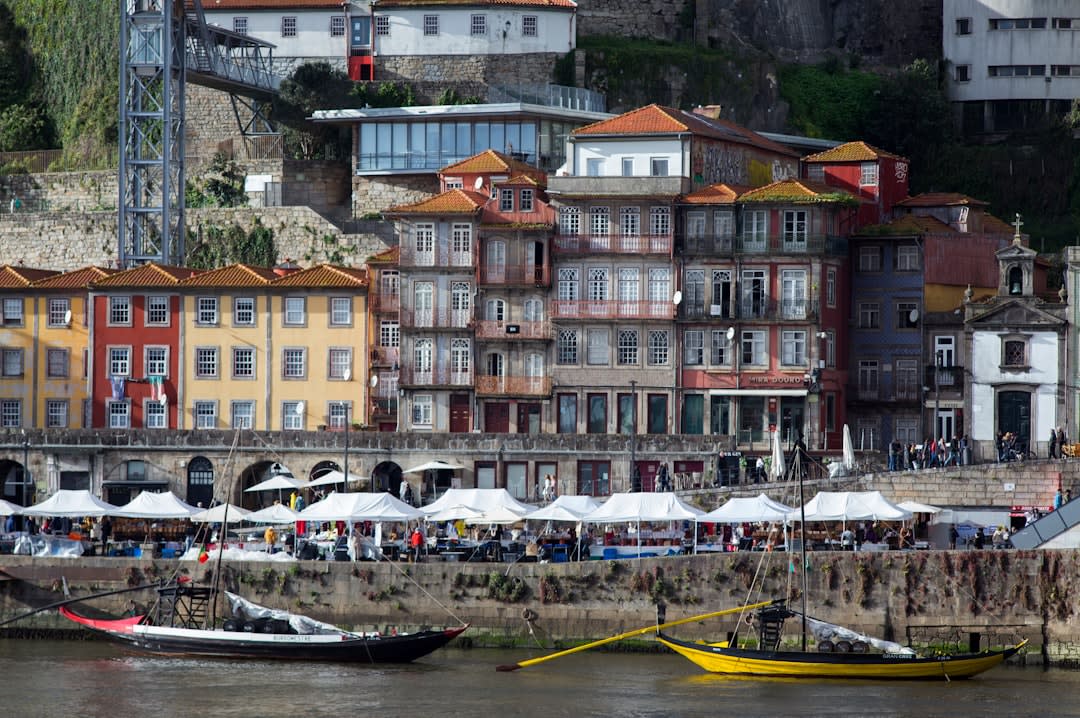
The town itself, once you cross the bridge, is a tangle of noble stone houses with carved coats of arms over the doors — Ponte de Lima was a favorite address for Minho gentry for centuries, and the manor houses (many now converted into elegant rural guesthouses, part of the Turismo de Habitação network the region basically invented) still line the streets like a quiet flex of old money. I ended up talking with the owner of one such house over a glass of vinho verde on her terrace, who told me her family had owned the property for six generations and that she still made her own wine from vines planted by her grandfather, trained up along granite posts the way it’s done all over the Minho.
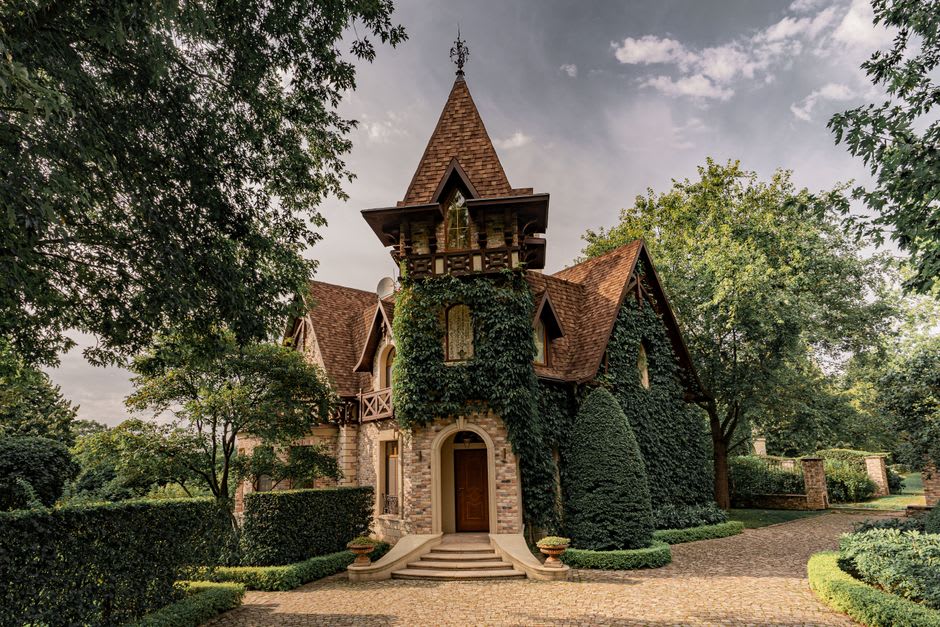
I left at dusk, walking back across the bridge as the poplars went black against a pink sky, thinking this might be the most underrated town I’d found in Portugal so far — nothing to prove, and all the more captivating for it.
When to go: Time your visit for a Monday market day (check the biweekly schedule), and come in September for the grape harvest and the town’s lively Feiras Novas festival.