
Lagos
"Lagos gives you paradise and its price tag in the same afternoon, and I think that's the honest way to see it."
A town of golden cliffs and grottoes where Portugal's age of exploration began and its darkest colonial history is finally being told alongside it.
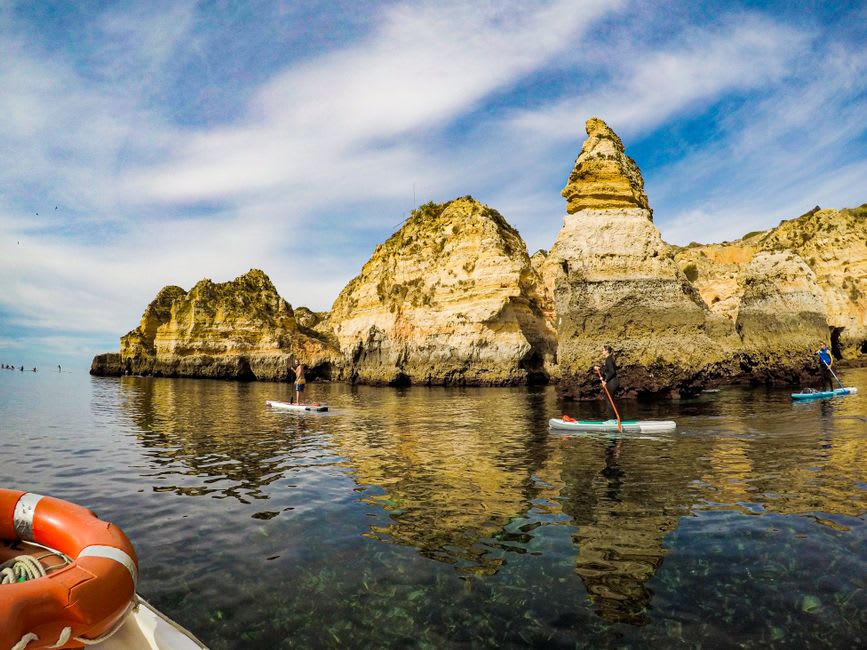
I booked a kayak tour at Ponta da Piedade expecting postcard cliffs and got something closer to a cathedral. The sandstone there has been carved by the Atlantic into arches, sea stacks, and grottoes so tall and narrow that paddling into one feels like entering a building — light falling through a gap in the rock overhead, water gone an impossible turquoise underneath you, the guide cutting the outboard motor so we could hear nothing but our own paddles and gulls. I’d seen photos before I arrived, plenty of them, and none had prepared me for the scale. This is one of the most photographed stretches of coastline in Portugal for a reason, and for once the reason holds up.
The Weight Beneath the Beauty
What surprised me more was what I found back in town. Lagos was the departure point for Portugal’s Age of Discovery — Gil Eanes sailed from here in 1434 to round Cape Bojador, the psychological barrier that had stopped European sailors for centuries — and the same harbor that launched those voyages became, only a few years later, the site of Europe’s first slave market for the transatlantic trade. The building still stands near the waterfront, now a small museum, and standing inside it after an afternoon of grottoes and gelato felt like a necessary correction. Lagos doesn’t hide this history behind a plaque; the museum names it plainly, and I think that honesty is worth seeking out rather than skipping for the beach.
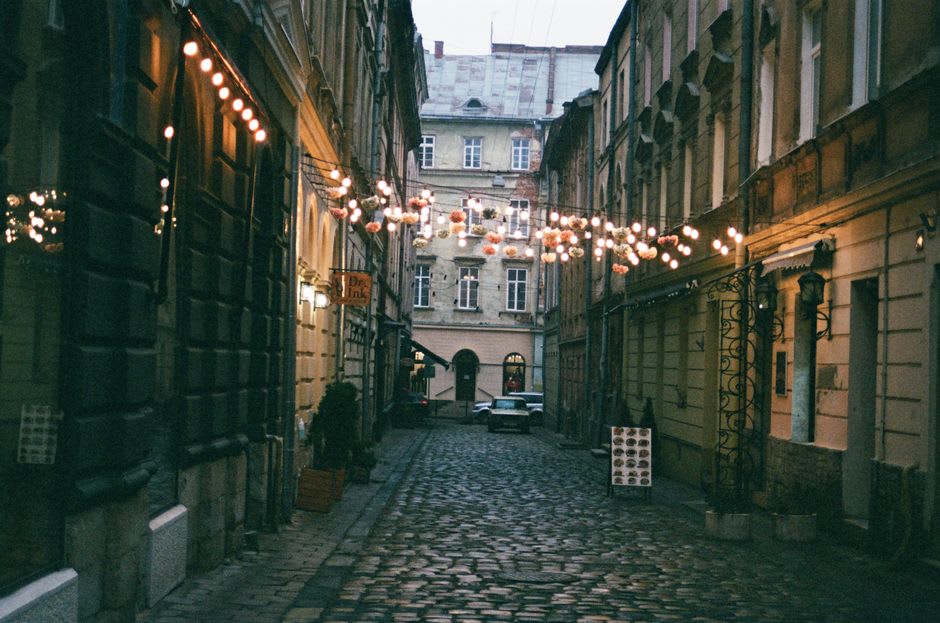
By evening the town shifts entirely. Rua Cândido dos Reis and the streets around it — the so-called Zona de Bares — fill with a mix of surfers, backpackers, and retirees, bars spilling their tables onto cobblestones, a saxophonist busking outside a tapas place until midnight. It’s touristy in a way Sagres, thirty minutes west, deliberately isn’t, but it’s also genuinely fun in a way that doesn’t require apology. I had a caipirinha at a bar with no sign, just a string of fairy lights, and talked to a Portuguese couple who’d driven down from Lisbon for the weekend the same way New Yorkers go to the Hamptons.
When to go: June or September gives you warm water for the grottoes without the peak-July crush; if nightlife is the draw, August is when Zona de Bares is loudest and most alive.