
Covilhã
"Covilhã turned its dying factories into a canvas instead of a demolition site, and the result is stranger and better than either option alone."
A steep wool-mill town at the foot of the Serra da Estrela, its abandoned textile factories now covered in world-class street art instead of demolished.
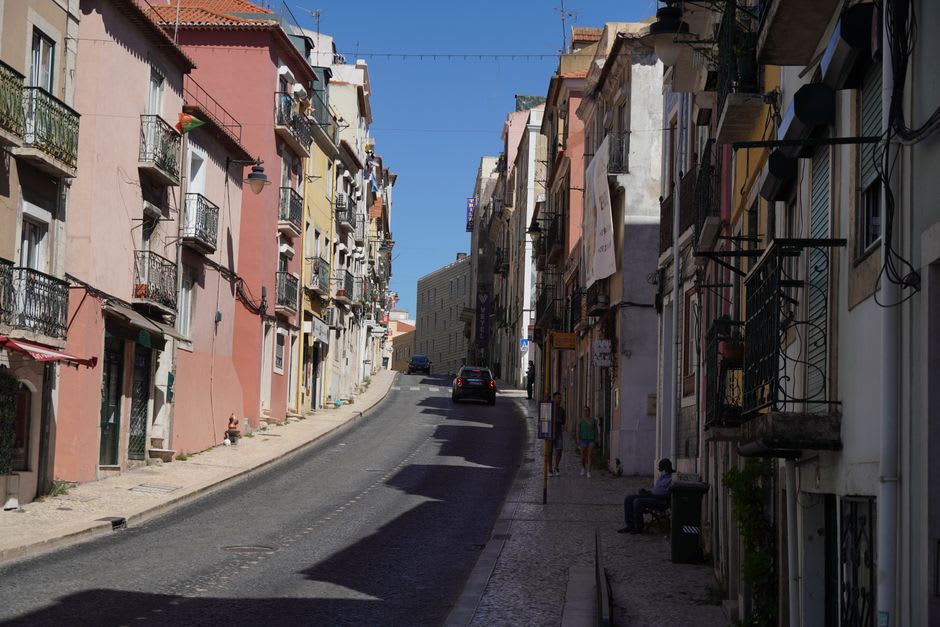
Covilhã climbs so steeply up the flank of the Serra da Estrela that half the town’s sidewalks are actually stairs, and I arrived out of breath within about four minutes of parking, cursing whichever medieval planner decided this incline was buildable. For centuries this was Portugal’s wool capital, its mills powered by the fast mountain streams coming down off the Serra, supplying uniforms for the Portuguese army and clothing half the country. Then globalization did what globalization does, most of the factories closed through the twentieth century, and Covilhã was left with a hillside of enormous empty industrial shells and a local economy trying to figure out what came next.
Wool Silos Filled With Wine, Walls Filled With Paint
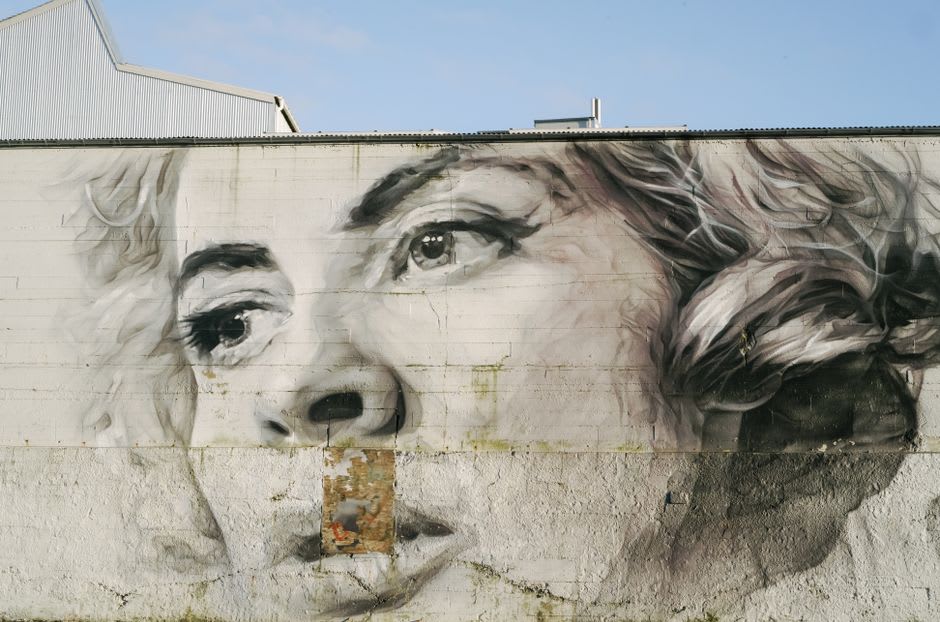
What came next, in part, was the Wool Valley Museum trail and, more strikingly, a street art initiative that invited international muralists to paint the blank facades of the old factories rather than let them just crumble. The result is genuinely disorienting in a good way: turn a corner in an otherwise unremarkable industrial neighborhood and you’re facing a five-story mural of a woman’s face rendered in photorealistic detail, or an abstract geometric piece wrapping an entire silo. I spent a whole afternoon just wandering the Rua do Castelo Branco area and the old factory district with no map, letting each mural pull me toward the next.
The Real Fábrica de Panos, one of the old royal wool factories, has been partly converted into a museum where you can still see the original nineteenth-century looms and carding machines, and an elderly guide there — who’d actually worked the mills as a young man before they closed — walked me through the process with a kind of muscle memory that no amount of museum signage could replicate. He showed me his hands, thickened and marked from decades of handling raw wool, and said the smell of lanolin still catches him off guard sometimes, walking past certain buildings.
That night I ate at a small restaurant serving trout from the mountain streams above town with a heavy dose of local olive oil, the Serra da Estrela’s dark silhouette visible from the window, snow still capping it even though it was already late spring.
When to go: Late spring, when the town itself is mild but the Serra da Estrela above it may still be snow-capped, giving you both a warm street-art walk and mountain views in the same afternoon.