
Bragança
"Bragança feels like Portugal forgot to modernize one corner of itself on purpose, and I mean that as the highest compliment."
Tucked into Portugal's remote northeastern corner, a walled medieval citadel guards a keep, a strange pillory speared through a granite pig, and some of the country's last untouched rural traditions.
Getting to Bragança takes effort — it’s tucked into the far northeastern corner of Portugal, closer to Zamora in Spain than to any Portuguese city most people could name, and the drive in through the Montesinho hills, all schist villages and grazing goats, made clear I was somewhere the tour buses don’t bother reaching. That isolation is precisely the point. The town gave its name to the House of Braganza, the dynasty that ruled Portugal (and Brazil) for centuries, and yet its own citadel feels almost forgotten by comparison — a complete walled medieval town still standing intact on the hill above the modern city, something I didn’t expect to find so wholly preserved.
A Citadel, a Keep, and a Very Strange Pig
Inside the citadel walls, the streets are narrow and mostly empty of shops, giving the strange sensation of walking through a town that’s paused rather than a museum piece performing itself. The Torre de Menagem, the keep, rises stark and square at the center, and beside it stands one of the odder monuments I’ve come across in Portugal: a pelourinho, or pillory, whose shaft rises straight out of the back of a crude granite boar, a berrão, likely a pre-Roman Iron Age carving of unclear original purpose that some medieval builder simply repurposed as the base for the town’s pillory rather than carve a new one. Nobody I asked had a fully satisfying explanation for it, which somehow made it better.
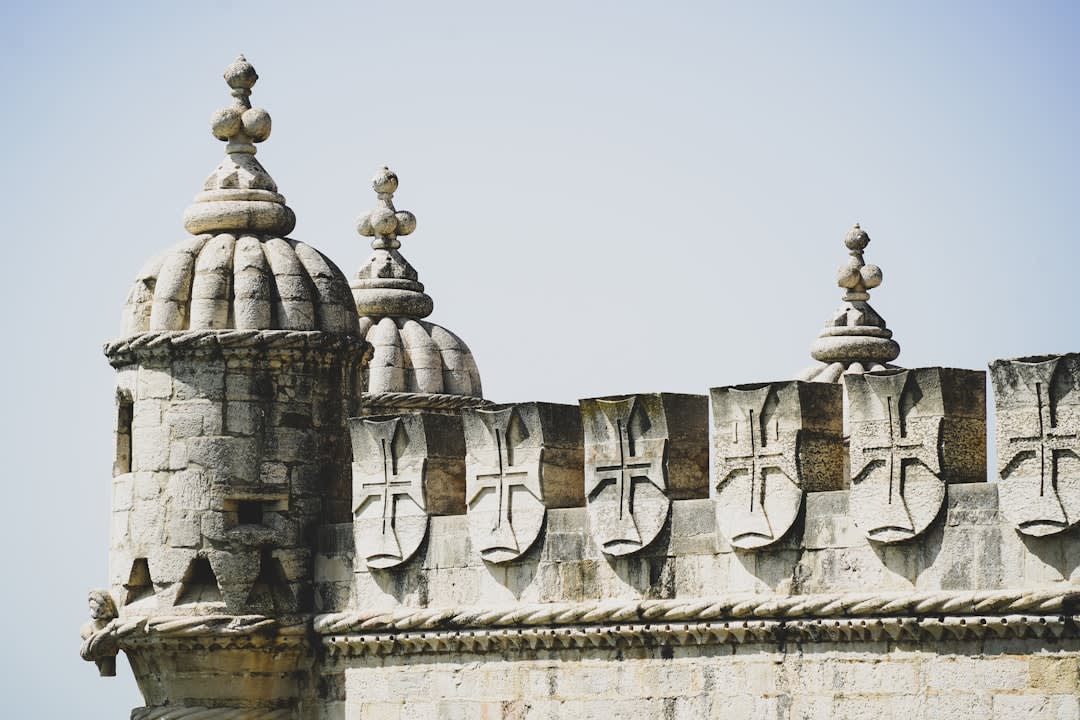
Just inside the walls sits the Domus Municipalis, a squat, pentagonal Romanesque building unlike anything else in the country — probably a medieval assembly hall and cistern, its exact purpose still debated by historians, which is a strangely fitting monument for a town whose whole appeal is the things nobody’s quite finished explaining. Down in the modern town, I spent an evening in a small restaurant eating posta à mirandesa, a thick-cut veal steak from the local Mirandesa cattle breed, grilled simply and served with boiled potatoes doused in olive oil, while the owner told me about winter treks up into the Montesinho Natural Park to see wolves — an actual wild population still surviving in this remote pocket of Iberia.
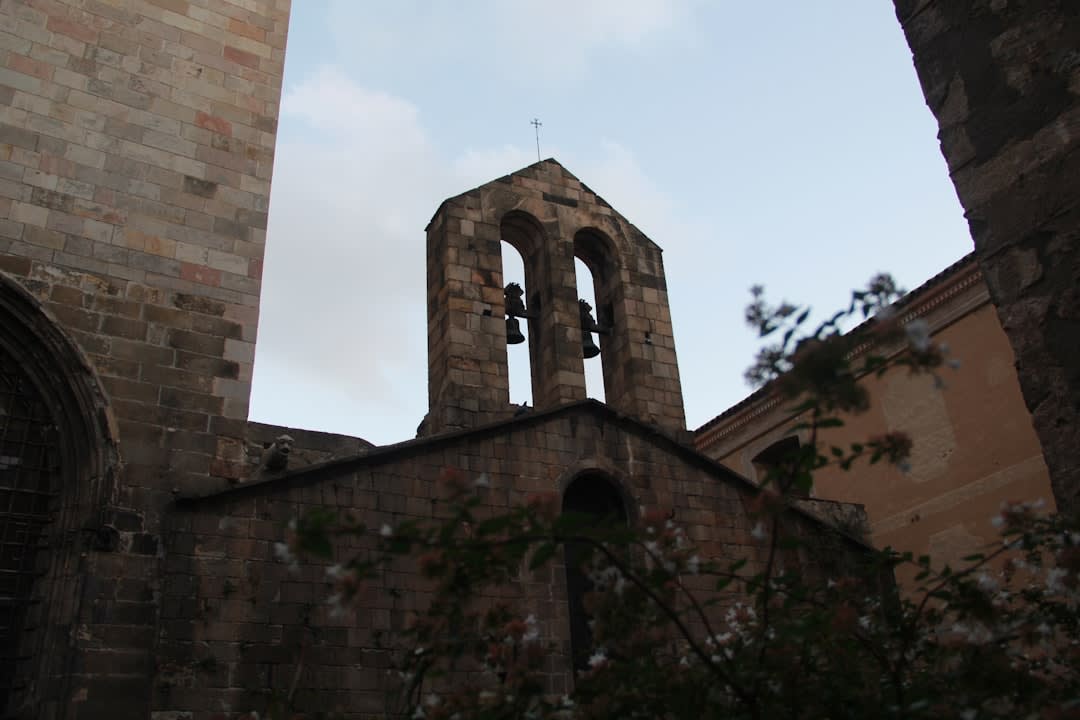
Bragança isn’t a place you pass through on the way to somewhere else. It only makes sense as a destination in itself, and I left glad I’d made the detour.
When to go: Late spring or early autumn, when the Montesinho hills are green or turning gold and the roads in are clear — winter can bring snow that isolates the region further, which has its own appeal if you don’t mind the cold.