
Belmonte
"Belmonte kept two secrets for five hundred years — one of them was an entire faith."
A hilltop town that quietly protected a hidden Jewish community for five centuries and gave the world the man who reached Brazil — history here runs deeper than the postcard suggests.
I came to Belmonte expecting a footnote — birthplace of Pedro Álvares Cabral, the navigator who accidentally on purpose landed in Brazil in 1500, good for maybe an hour at the castle and a statue. I left having spent most of a day there, because Belmonte’s real story isn’t in the castle at all, it’s in a small synagogue and museum that reveal something far stranger: a community of crypto-Jews who practiced Judaism in total secrecy here for nearly five hundred years after the Inquisition forced Portugal’s Jews to convert or flee in 1497.
The Marranos Who Never Stopped
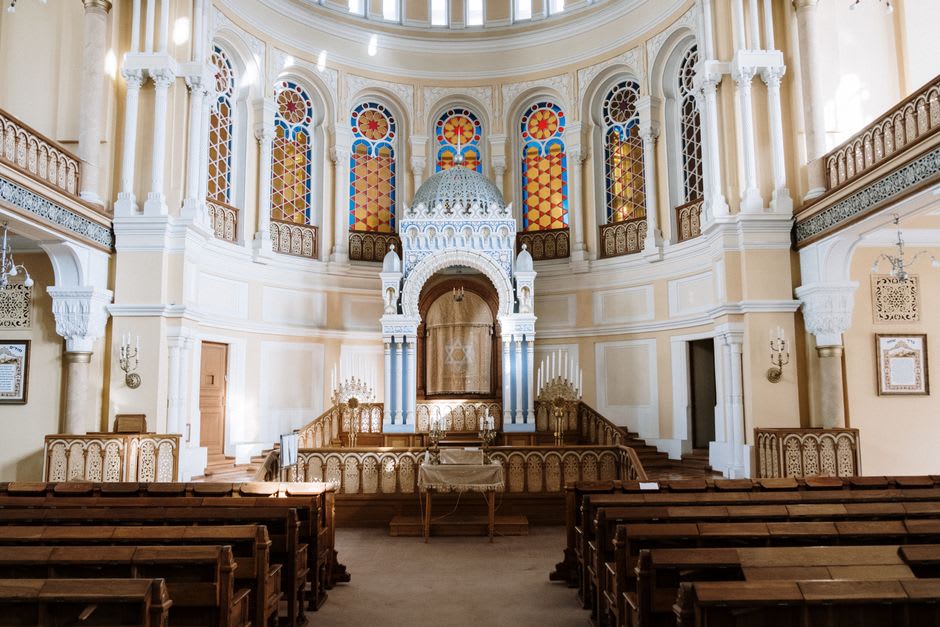
The Jewish Museum in Belmonte lays it out with a matter-of-factness that somehow makes it hit harder — how families in this isolated corner of the Beira Interior kept praying in Hebrew behind closed doors, lighting Sabbath candles inside clay jars so the light wouldn’t show through windows, passing prayers down orally because written Hebrew texts were too dangerous to keep, marrying only within their own hidden circle for generation after generation. They weren’t rediscovered by the wider Jewish world until a mining engineer stumbled on them in 1917 and was stunned to find rituals barely changed since the fifteenth century, preserved by isolation and sheer stubbornness. The synagogue built here in the 1990s, Bet Eliahu, is small and plain, but knowing what it took to get there made it one of the more affecting rooms I’ve stood in on this trip.
The castle itself, up on the hill above the old Jewish quarter, is a smaller, quieter ruin than I expected — twelfth-century walls, a keep you can climb, and a striking Manueline pillory carved with the armillary sphere that would later become Cabral’s own emblem on his voyages. I sat on a low wall near the keep eating a slice of queijo da Serra I’d bought from a mercearia down the hill, watching the Beira countryside roll out gold and green in every direction, and thought about how much history this one modest hilltop had absorbed without ever quite advertising it.
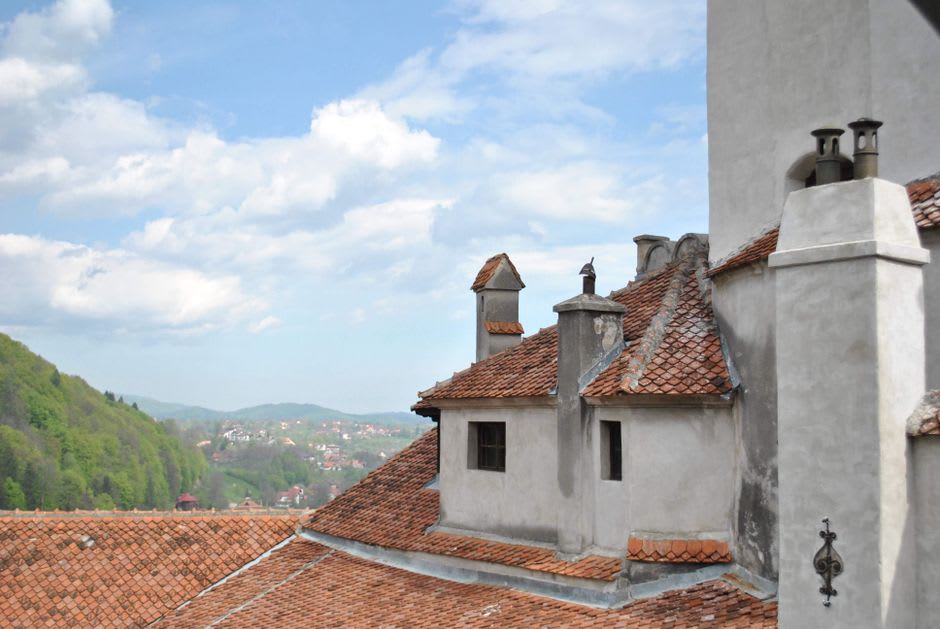
Down in the old Jewish quarter, narrow lanes still carry names hinting at the community that once lived there in plain sight and total secrecy at once.
When to go: Spring or early autumn, and try to time it around a Jewish festival if you can — the small community here still gathers, openly now, at Bet Eliahu.