
Empty highland meadows in Poland's far southeast, abandoned after WWII ethnic cleansing, now rewilded with lynx and bison.

There is a particular quality of silence in the Bieszczady that I have not found anywhere else in Europe. Not the silence of emptiness — that would be too simple — but the silence of something held in suspension, a landscape waiting for people who are never coming back.
We arrived in Ustrzyki Górne on a Tuesday in late September, the last outpost before the Ukrainian border cuts through the ridge. The single street was three guesthouses and a wooden bus stop. Lia stepped out of the car, looked up at the treeline dissolving into fog, and said nothing for a long time.
The Poloninas
Above the forest, the Bieszczady open into poloninas — treeless highland meadows that run across the ridge crests like bald scalps. In the rest of the Carpathians, these high pastures were shaped by centuries of shepherding. Here, the shepherds are gone. The villages of Boyko and Lemko people — Wołosate, Caryńskie, Beniowa — were emptied during Operation Vistula in 1947, the postwar ethnic cleansing that scattered a hundred thousand people west. The meadows remained. The lynx moved in.
Walking the red trail from Tarnica toward Halicz, I kept expecting to see a farmhouse, a stone wall, anything. Instead: the wind pressing down the bleached grass, a single wooden cross planted at a trail junction, and, once, the absolutely still outline of a roe deer watching us from thirty meters before vanishing without sound into the dwarf pine.
What the Ground Holds
The surprise came on the second day, when we detoured to find what the map labeled as a ruins site near the old village of Hulskie. I expected a foundation or two. What we found was a complete Greek Catholic cemetery, the carved sandstone crosses still upright, the inscriptions in Cyrillic half-legible through the lichen. Names, dates, small incised flowers. The village itself: nothing. The dead were left behind when the living were taken.
That evening in the guesthouse in Lesko, we ate żurek — sour rye soup with a hard-boiled egg and a thick stub of sausage — and the owner, a compact man in his sixties, told us his grandfather had been one of the soldiers who carried out the deportations. He said it the way you state the weather. Some histories in this part of Poland are simply on the table.
Going There
The roads into the park center are slow and narrow, which keeps the Bieszczady mercifully uncrowded even in summer. The town of Sanok to the north makes a reasonable base, with a worthwhile open-air museum of historic wooden architecture that contextualizes the silence in the mountains above.
When to go: Late September through mid-October brings copper-red color to the poloninas and near-empty trails; early June sees the meadows flowering before the brief peak-summer crowd arrives.
Keep exploring
More from Poland
 poland
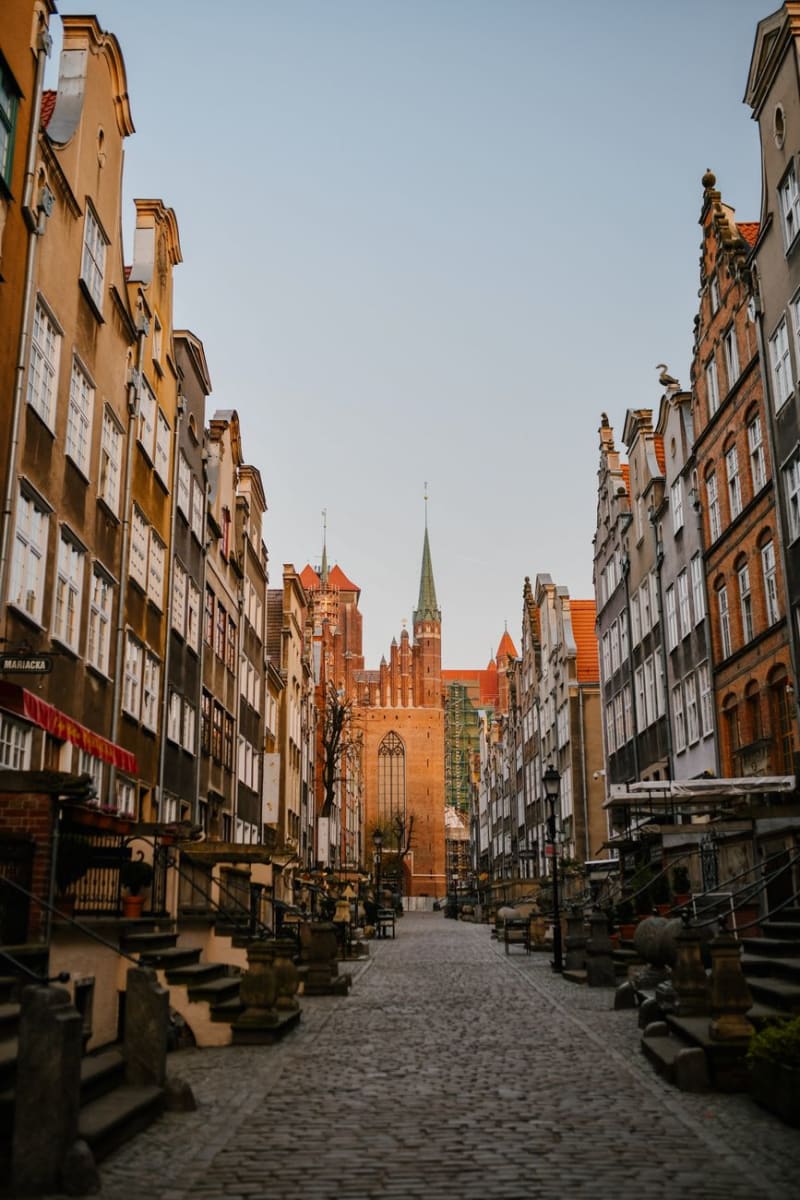
 Gdansk
A Baltic port city of amber, Gothic brick, and revolutionary history where the cobblestone waterfront tells a thousand years of trade and defiance.
Explore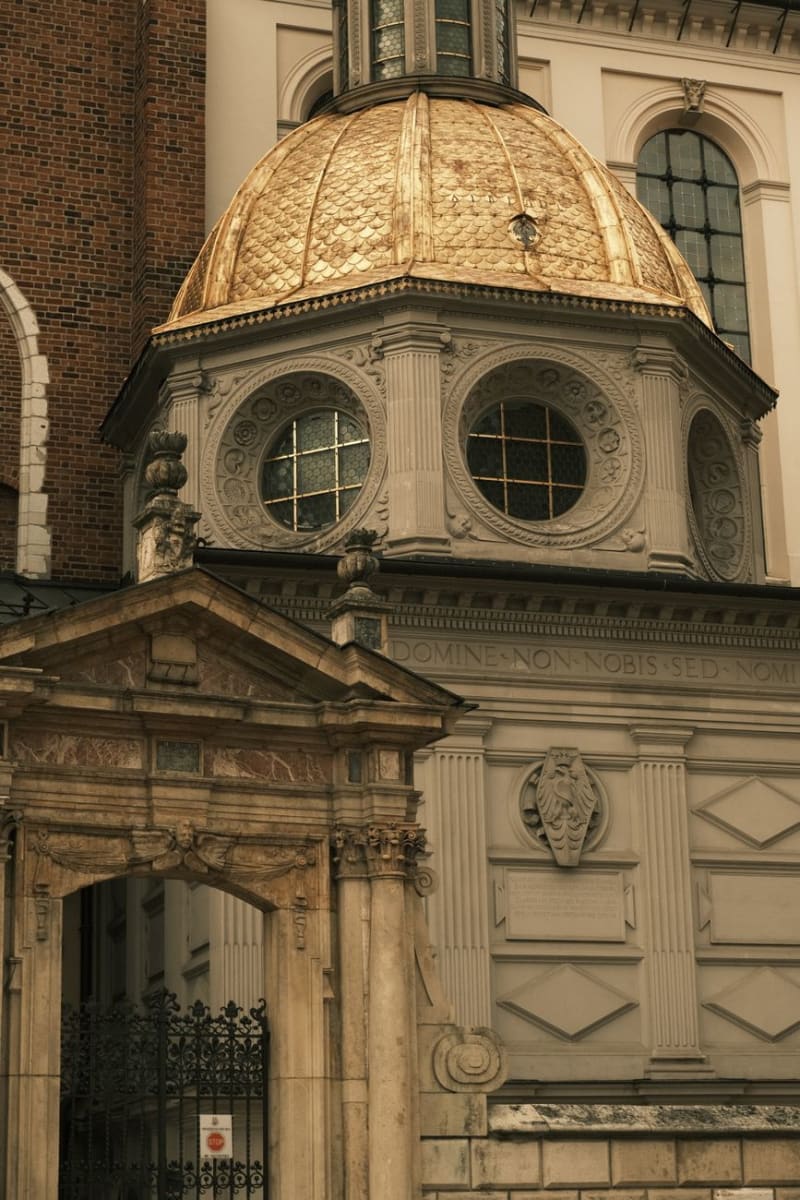 poland
 Krakow
Poland's cultural heart, where one of Europe's grandest medieval squares anchors a city of churches, jazz clubs, and pierogi that will ruin you for all others.
Explore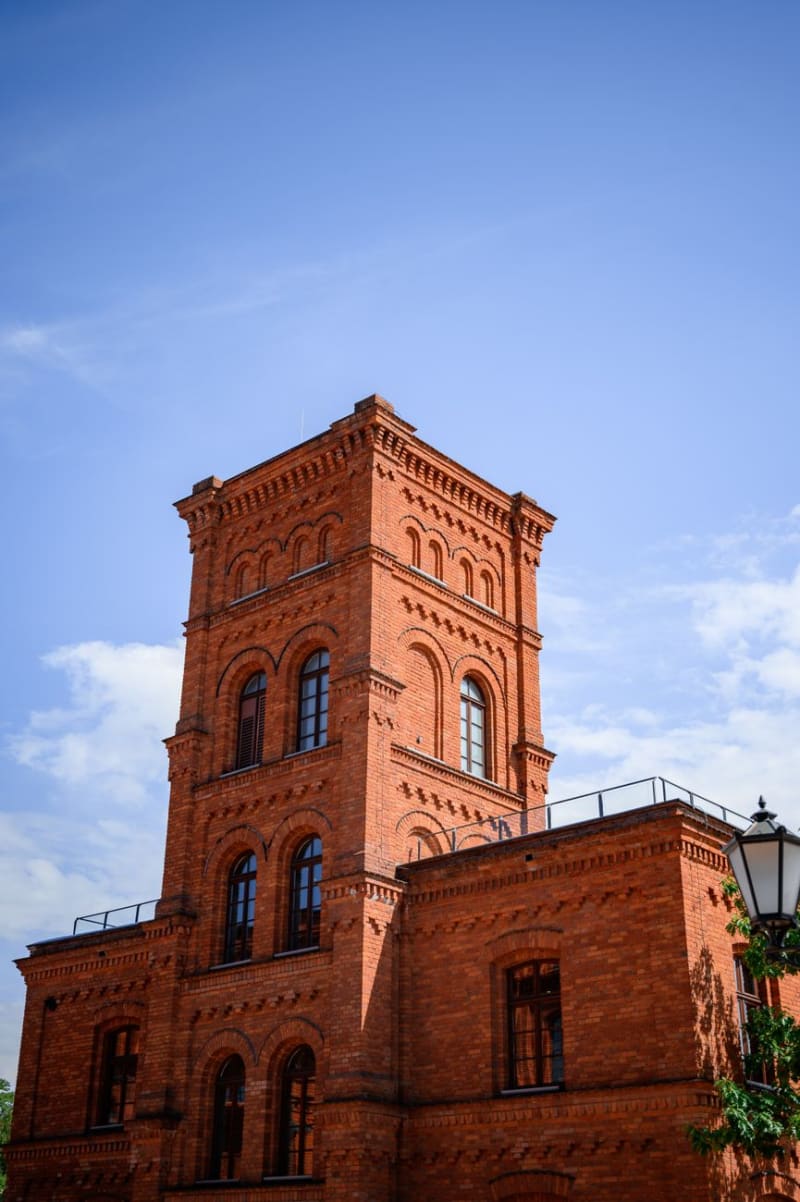 poland
 Lodz
Poland's post-industrial phoenix, where 19th-century textile factories have been reborn as cultural powerhouses, street art canvases, and creative hubs.
Explore poland
 Malbork
Home to the largest castle in the world by surface area — a red-brick Gothic fortress that redefines what a medieval stronghold can be.
Explore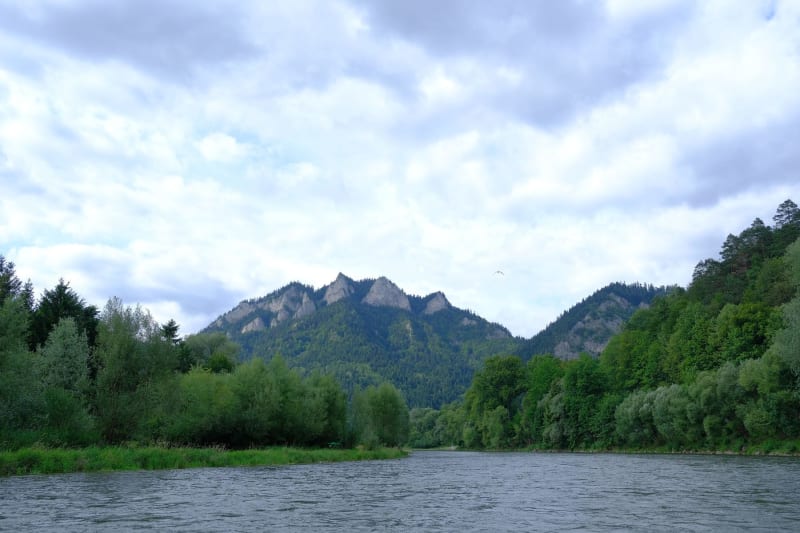 poland
 Pieniny National Park
A gorge of white limestone peaks on the Polish-Slovak border navigated by traditional wooden rafts on the Dunajec River.
Explore poland
 Poznan
A vibrant western Polish city where mechanical goats butt heads at noon, the croissants have their own museum, and the old town buzzes with student energy.
Explore