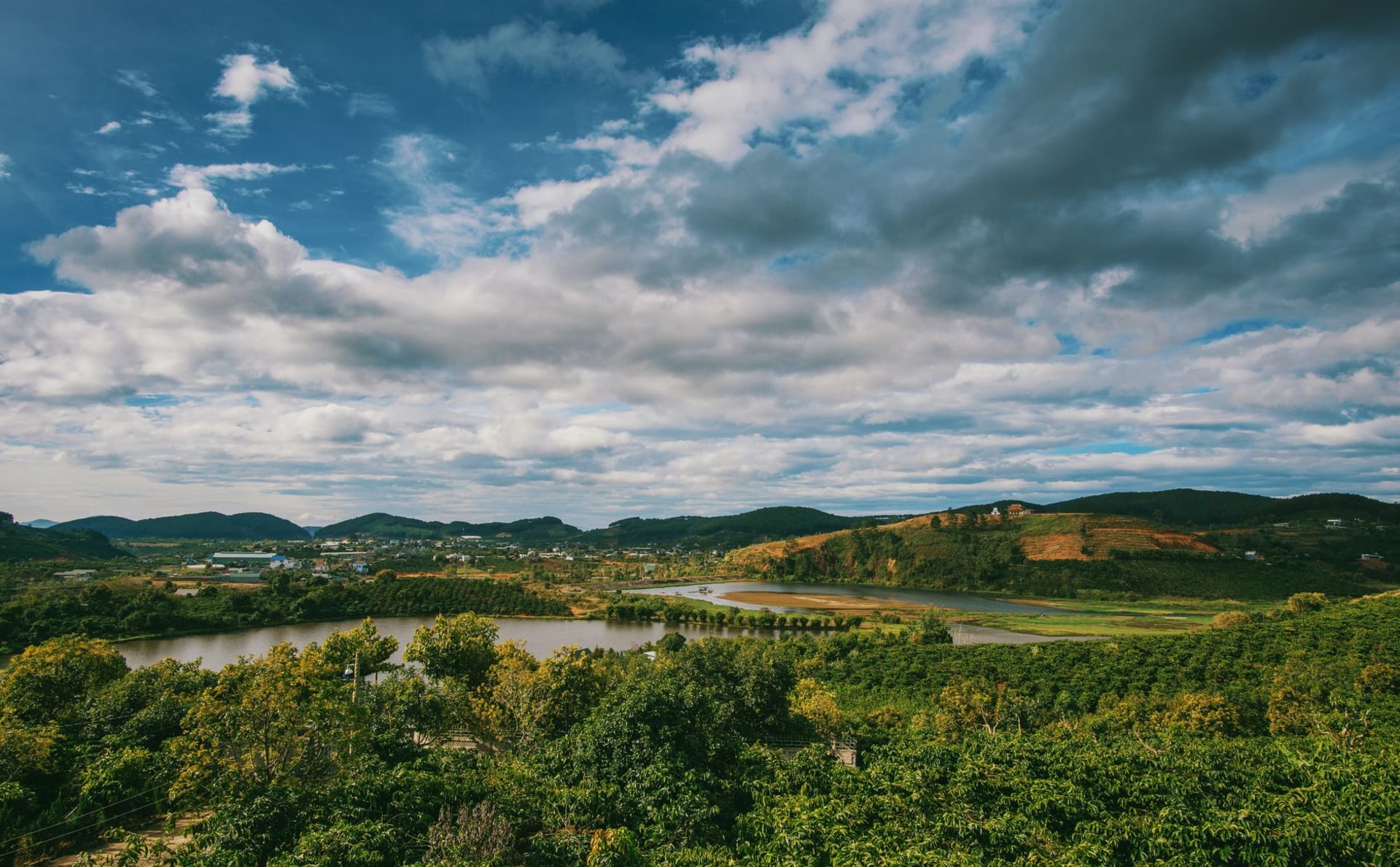
Nam Ngum Valley
"The river doesn't know anything about the plain above it. It just moves, which, after a few days of history, is exactly what you need."
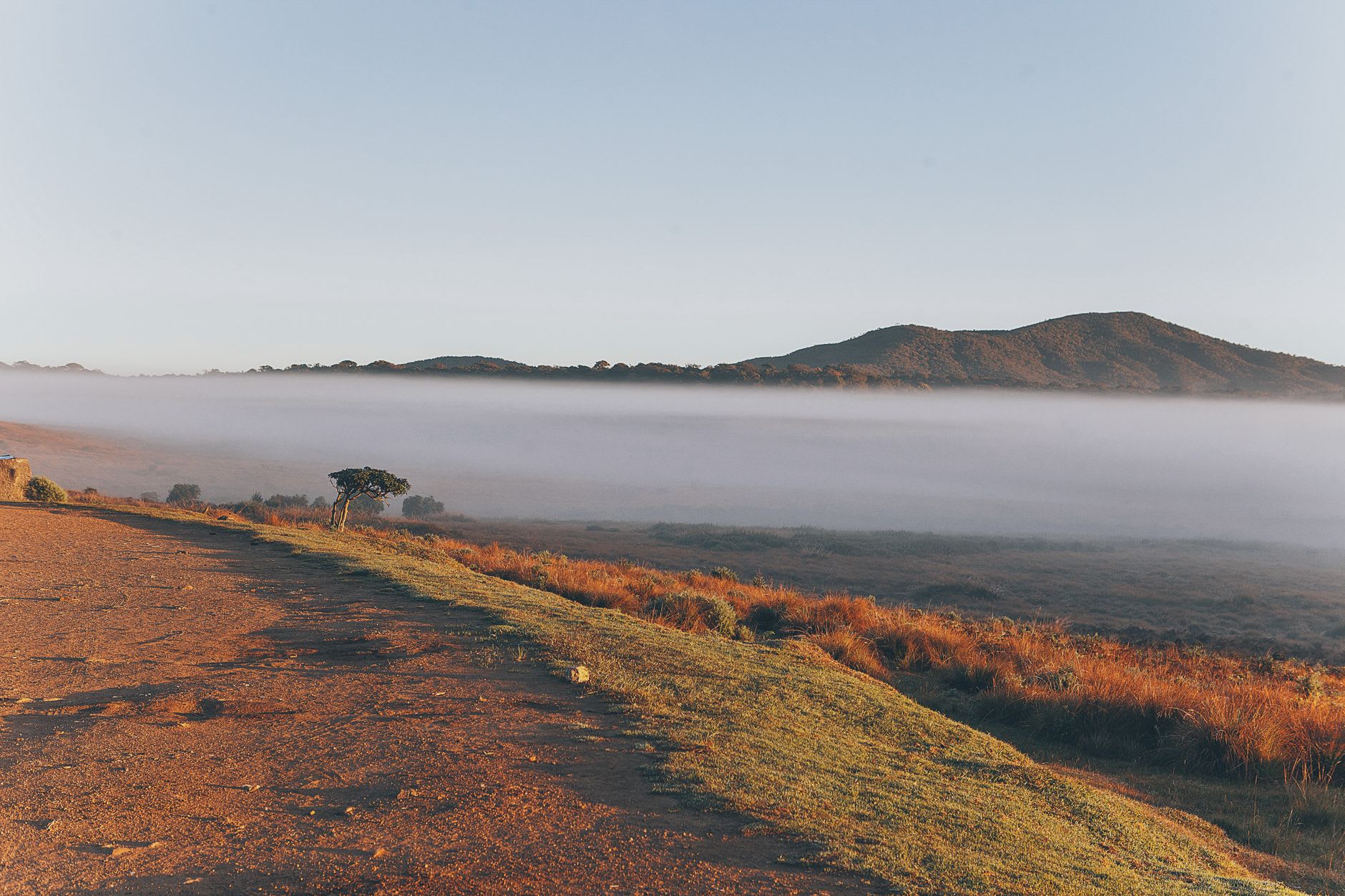
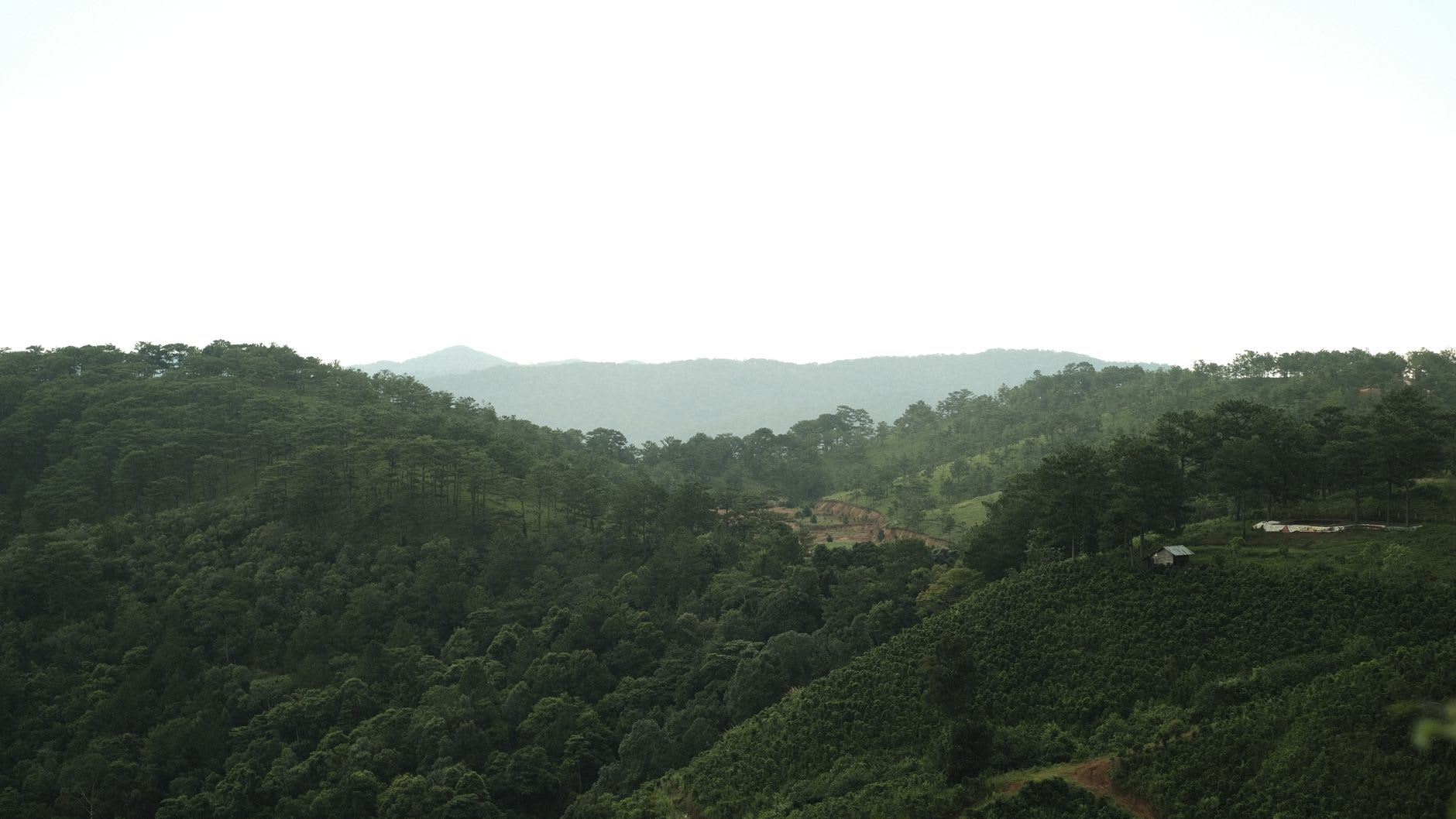
The road down from the plateau drops fast. One moment you are on the flat highland with the wind in the grass and the sky open in every direction, and then the road tips over an escarpment and the valley opens below you in tiers of green — rice terraces, bamboo, broadleaf forest on the lower slopes — and the air gets thicker and warmer with each hundred metres of descent. The Nam Ngum river comes into view perhaps twenty minutes after you leave the plateau road: a dark green river moving quietly between banks of pale sand, unhurried, reflecting the mountains on its surface without any apparent concern about what’s happening above it on the highland.
I came down to the valley on my third day in the Phonsavan area, partly because I needed a break from the weight of the history on the plateau and partly because someone at a guesthouse had mentioned a family that ran a bamboo guest hut on the riverbank where you could eat grilled fish and watch the sun go down. The bamboo hut was real, the fish was real — a freshwater species I couldn’t name, grilled whole over charcoal with a stuffing of lemongrass and galangal, served with sticky rice and a fierce paste of chilli and fermented shrimp — and the sun going down behind the western ridge turned the river the colour of copper while I ate it. This was, objectively, one of the better dinners of my life.
The valley villages are smaller and quieter than Phonsavan and mostly agricultural in a way that feels genuinely removed from the tourism circuit of the plateau above. Farmers bring vegetables down to a small market on the river road in the early morning. Women wash clothes on flat rocks at the river’s edge. Children swim in a pool below a bend where the current slows. None of this is extraordinary in itself — it is ordinary Lao valley life — but after days of contemplating two-thousand-year-old mysteries and the weight of recent history, ordinary Lao valley life is exactly the right register.
The Nam Ngum flows south from here toward the reservoir at Nam Ngum Dam and eventually joins the Mekong. In the 1960s and 70s, the valley was a transit route for both sides of the Secret War — soldiers, supplies, refugees. The landscape doesn’t announce this; the valley is as green and unhurried as valleys tend to be. But the older people in the villages remember it, and if you eat dinner slowly enough and the conversation is patient enough, sometimes they will tell you a piece of it.
When to go: The valley is accessible year-round but at its best in the dry season when the river is lower, the sandbars are exposed, and the roads down from the plateau are reliable. November and December offer the clearest light and mildest temperatures. The rainy season swells the river and makes the descent road muddy but also turns the terraces a vivid green that is worth seeing if you don’t mind the inconvenience.