
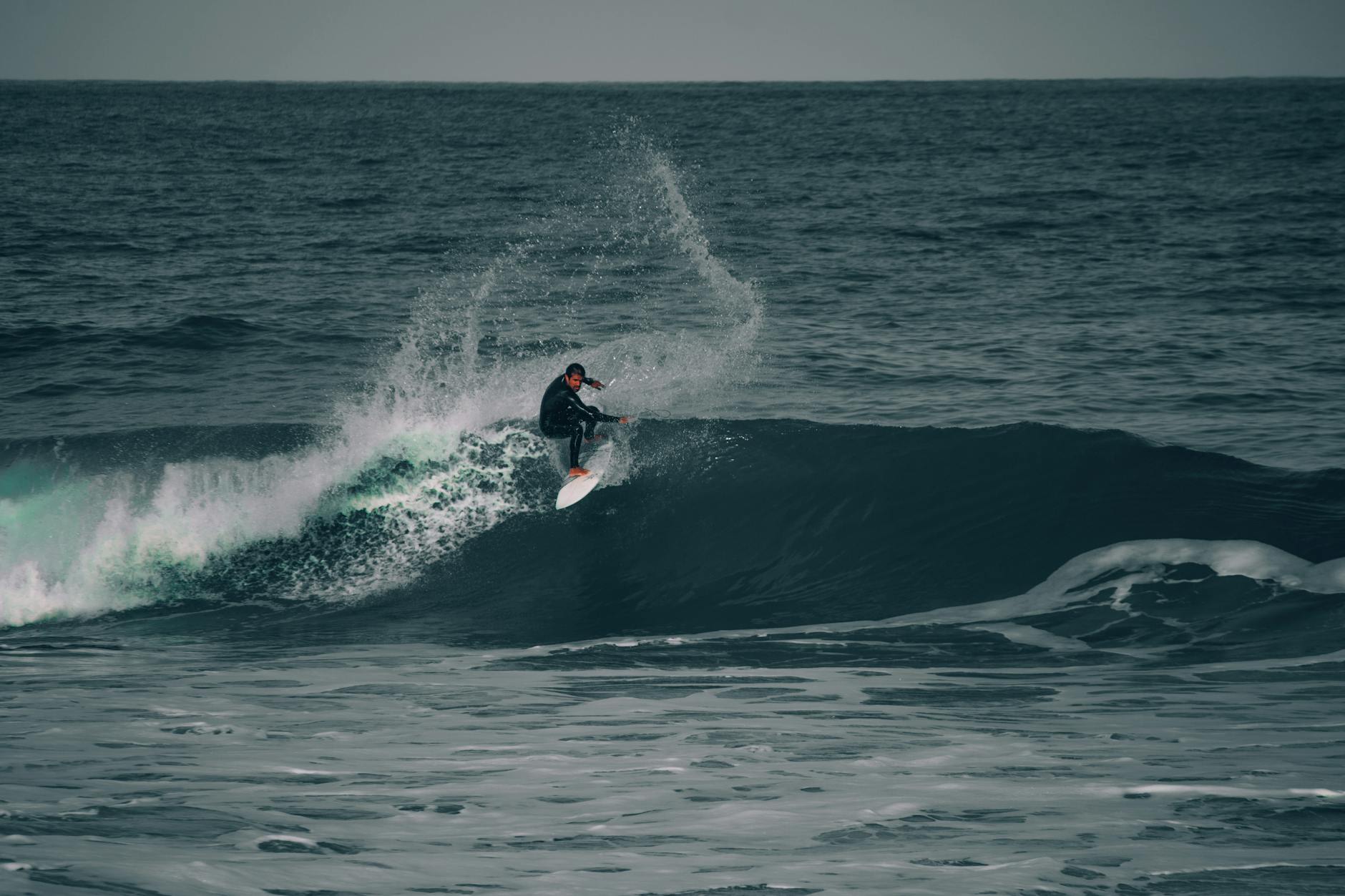
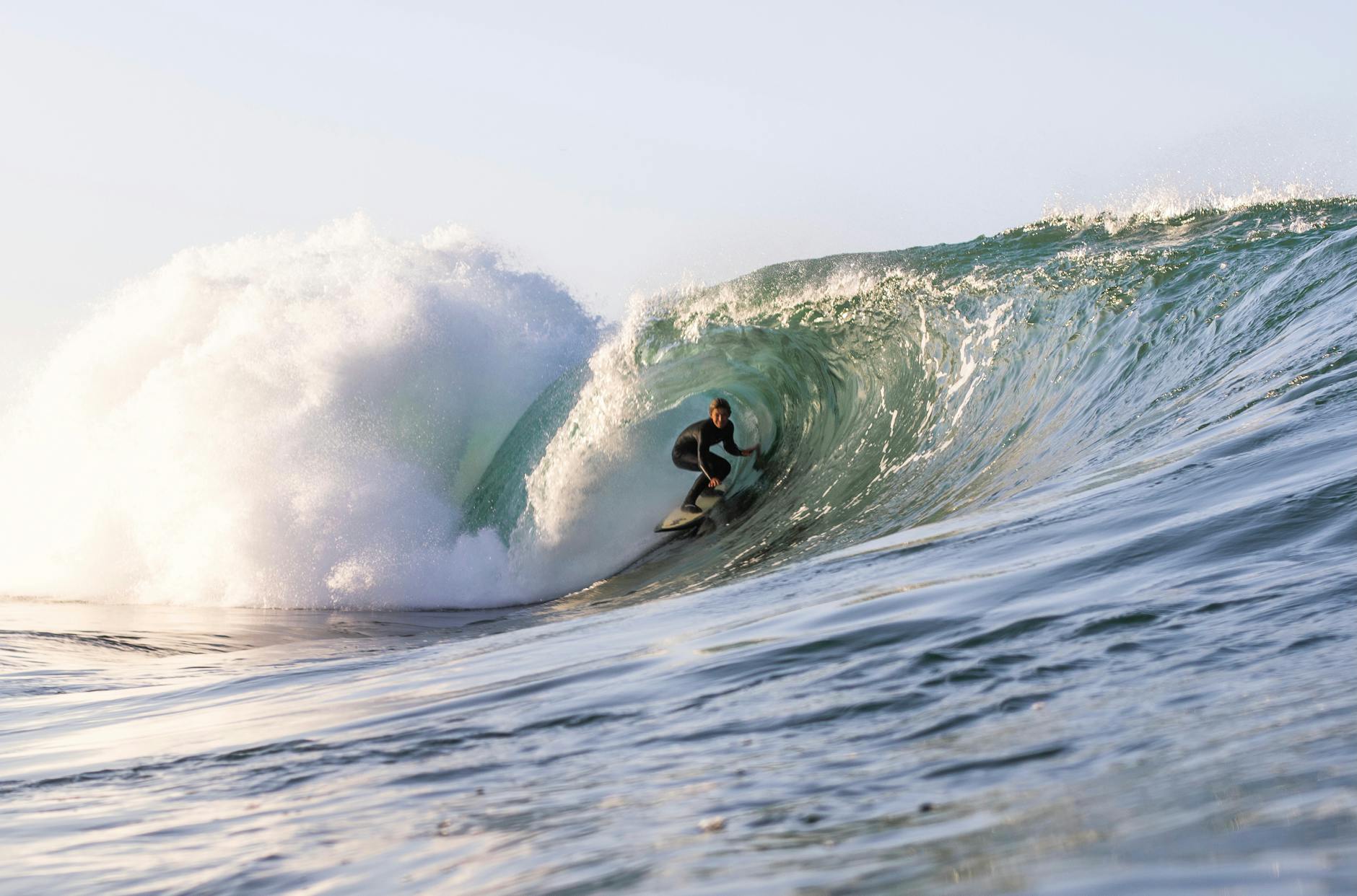
Siargao is a teardrop-shaped island off the northeast coast of Mindanao that has become the Philippines’ surfing capital, largely on the strength of Cloud 9 — a fast, hollow right-hander over a shallow reef that hosts an annual international competition. But Siargao is not just a surf island. It is a coconut-palm-covered, mangrove-fringed, lagoon-dotted place where the pace of life is set by the tides rather than the clock, and where the “nightlife” is a bonfire on the beach with cold San Miguel and someone playing guitar. I arrived intending to stay four days. I stayed ten. This is what Siargao does.
Cloud 9 is the main break, and watching it from the iconic boardwalk is worth the trip even if you do not surf. The wave is serious — fast, hollow, breaking over a shallow coral reef — and the surfers who ride it are skilled enough to make it look effortless, which it emphatically is not. For intermediates, Stimpy’s and Rock Island are more forgiving. For beginners, Jacking Horse offers gentle waves and patient instructors. I took two lessons, stood up exactly once, and was congratulated by the instructor with a warmth that made my incompetence feel like an achievement.
The island-hopping from Siargao covers the satellite islands: Naked Island (a bare sandbar in open water, nothing but sand and sky, the most photogenic emptiness I have encountered), Daku Island (palm trees, a fishing community, the best grilled fish of the trip — the boatmen catch it on the way over and cook it on the beach), and Guyam Island (a tiny, perfectly round island that fits the cartoon desert-island image exactly, complete with leaning coconut palms and water that changes colour depending on the depth beneath your feet).
The Sugba Lagoon — accessed by a one-hour drive and a boat ride — is an enclosed lagoon between karst hills, good for paddleboarding and jumping from platforms into warm, impossibly clear water. The lagoon is deep enough that the water shifts from turquoise at the edges to a dark blue-green in the center, and the surrounding hills are covered in jungle thick enough that the only sounds are birds and the distant splash of someone else jumping.
Magpupungko rock pools appear at low tide on the eastern coast — natural infinity pools carved into flat rock, with the ocean lapping at the edges. The timing matters: check the tide charts and arrive an hour before low tide for the full experience. The pools are shallow, warm, and so clear that lying in one feels like floating on glass above a coral floor.
The food scene on Siargao has improved dramatically in recent years. Bravo does excellent Filipino-Mediterranean food on a terrace overlooking the coconut palms. Shaka is the surf-crowd café with good coffee and smoothie bowls. But the best eating remains the simplest: grilled seafood at the night market in General Luna, where you pick your fish from the display, it is cooked over charcoal while you wait, and you eat it with rice and vinegar dipping sauce at a plastic table under string lights while the evening breeze comes off the Pacific. The bill for two is rarely more than five hundred pesos — less than ten dollars — and the quality is extraordinary.
The community on Siargao is what keeps people coming back. Surfers, digital nomads, Filipino weekenders, the occasional yoga instructor — the island attracts people who have decided that living well does not require living fast, and the result is a vibe that is collaborative rather than competitive, relaxed rather than performative. It will not last forever. Enjoy it now.
When to go: September to November for the best surf. March to October for dry weather. Siargao is significantly less developed than Palawan or Cebu — flights are limited and accommodation books up during surf season. Book early if visiting in October for the annual Cloud 9 surfing competition.