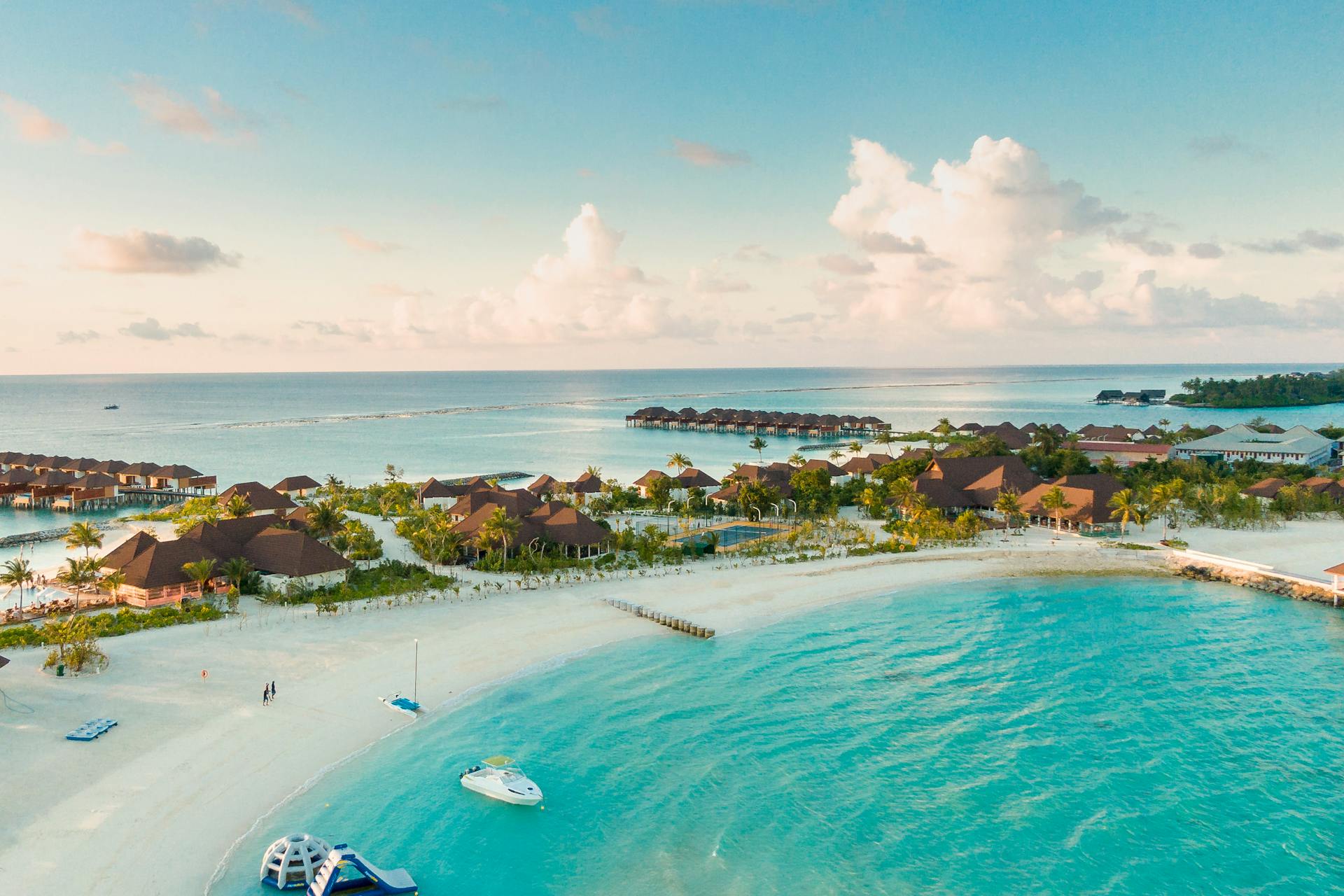
Palawan
"The island that every travel magazine calls paradise. For once, they're right."
Palawan is a long, narrow island running southwest from the main Philippine archipelago toward Borneo, and it contains landscapes that belong in a geology textbook and a travel fantasy simultaneously. The Bacuit Archipelago off El Nido — limestone karsts rising from turquoise lagoons — is the headline, and it delivers. But Palawan extends far beyond the lagoon tours: the Underground River at Sabang, the reef systems of the Tubbataha Marine Reserve, the shipwrecks of Coron, and the southern frontier of Balabac where the beaches are empty because almost nobody goes. I spent two weeks on this island and left feeling I had barely scratched the surface.
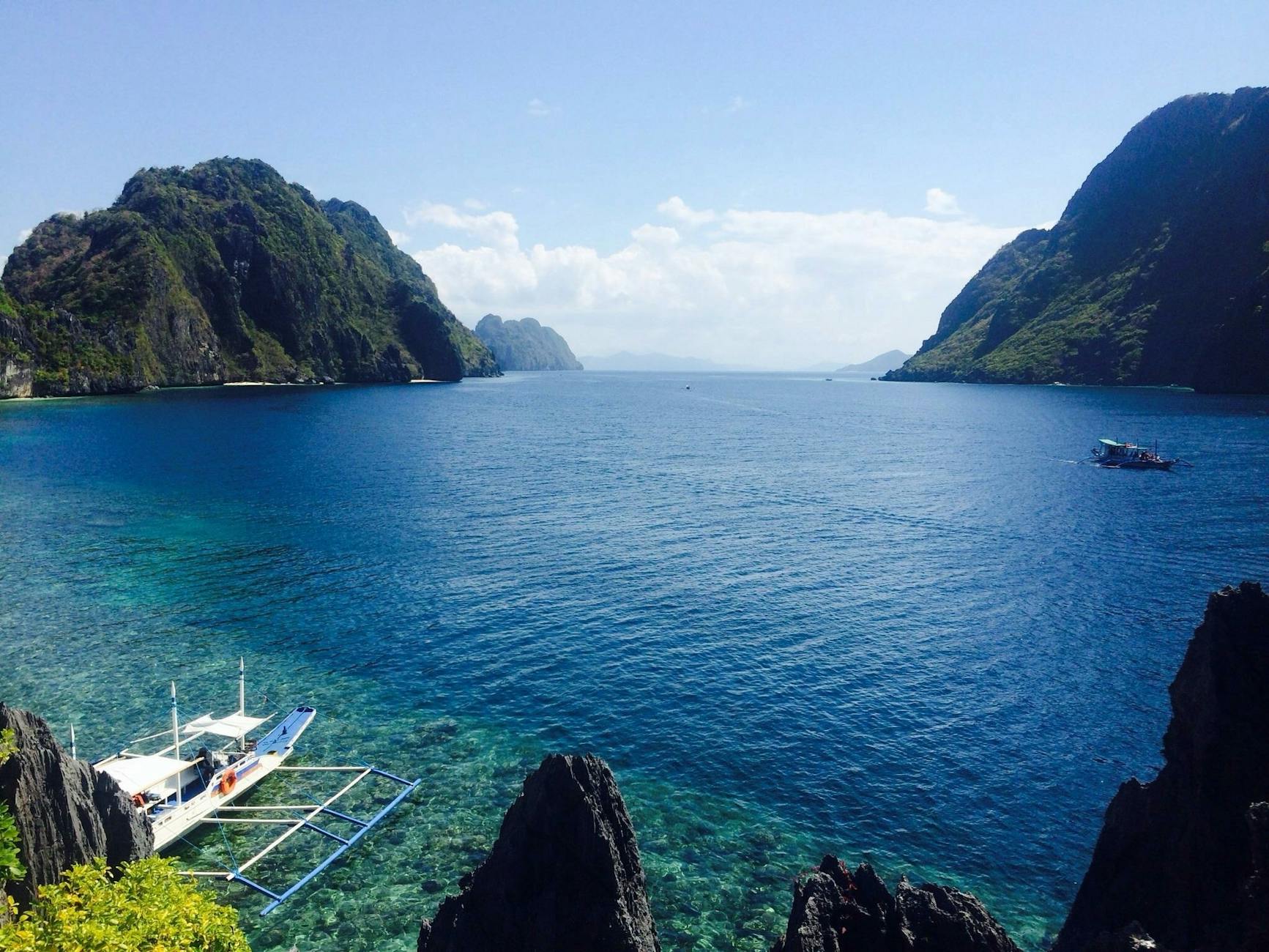
El Nido is the base for the Bacuit Archipelago. The Big Lagoon and Small Lagoon are the famous stops — kayaking between karst walls into emerald pools. The standard tours are well-organized but crowded. Hire a private bangka, reverse the route order, and you will have the lagoons nearly to yourself for the morning. I did this on my second day, arriving at Secret Lagoon at 8am to find it empty except for a heron standing on the limestone ledge, watching me crawl through the entrance hole with the measured indifference of a creature that has seen a thousand tourists and finds none of them interesting.
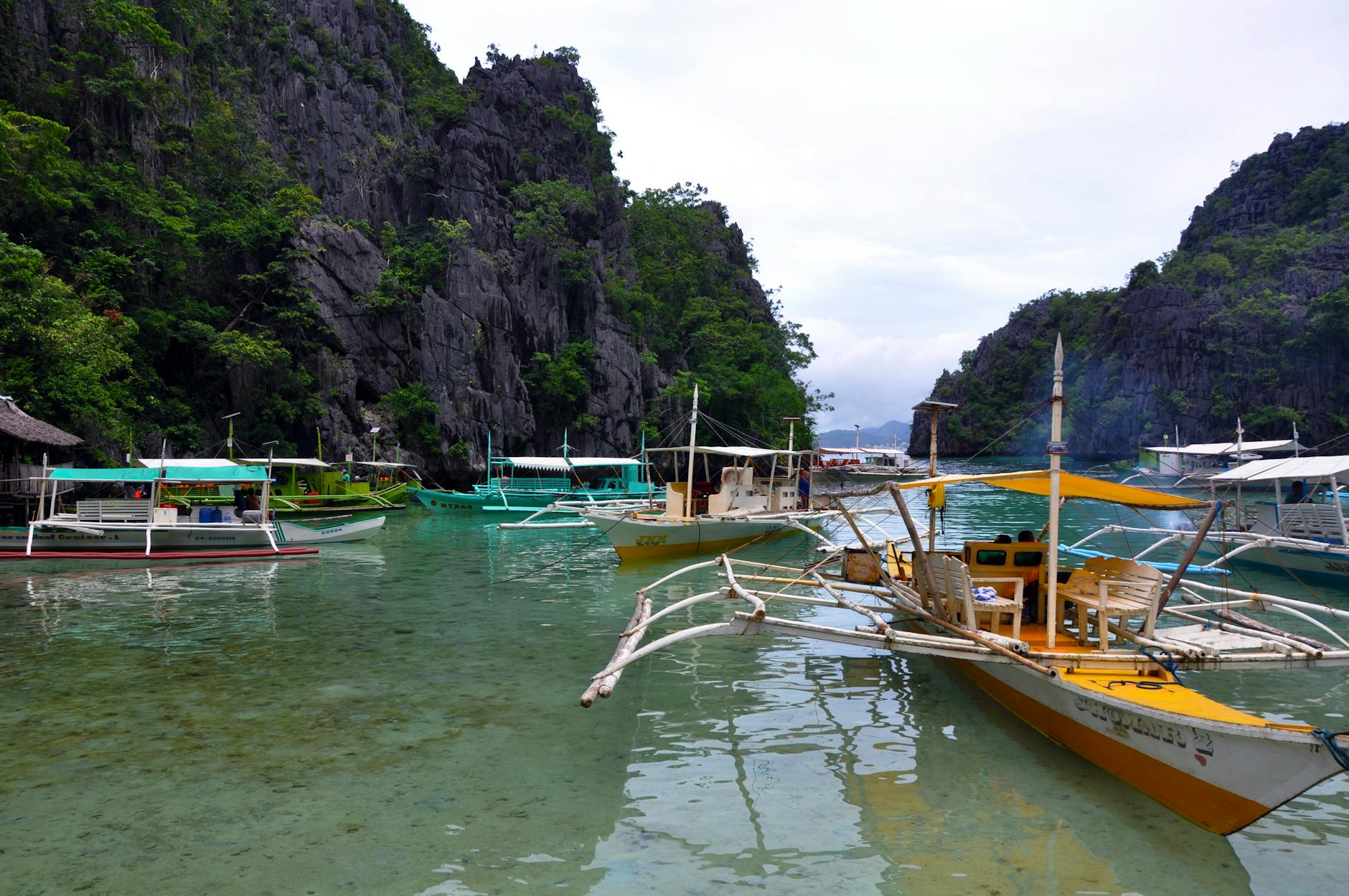
Coron to the north is the diving capital — the Japanese WWII wrecks here (Irako, Akitsushima, Okikawa Maru) are among the best wreck dives in the world. Kayangan Lake, reached by a steep hike over limestone, is the most photographed lake in the Philippines, and the snorkeling in its crystal-clear freshwater is surreal. The water is so transparent that the bottom, twelve meters below, looks close enough to touch.
The Underground River at Puerto Princesa is a UNESCO World Heritage Site and one of those attractions that sounds like it might be a tourist trap but emphatically is not. You board a small paddle boat and enter a cave system that stretches over eight kilometers into the mountain — cathedral-sized chambers, stalactites that have been growing for millions of years, and the occasional bat colony hanging overhead in the darkness. The silence inside, broken only by the drip of water and the paddle dipping into the underground river, is the kind of silence that has weight.
Port Barton, between El Nido and Puerto Princesa, is what El Nido was fifteen years ago — a fishing village with a handful of guesthouses, a sand-street main road, and island-hopping tours with nobody else on the boat. I stayed three nights here on a whim and it became one of the highlights of the trip. The pace is slower, the people are friendlier (which in the Philippines is saying something), and the snorkeling off the nearby islands is superb because the reefs have not been damaged by the volume of visitors that El Nido’s have.
The logistics of Palawan require patience. Flights into Puerto Princesa are reliable; the overland journey to El Nido takes five to six hours on a road that improves every year but remains an adventure in stretches. Internal flights from Manila to El Nido now exist and save the drive, but they are weather-dependent and cancel without much ceremony. Build buffer days. Palawan rewards flexibility.
When to go: November to May. December to February is peak but manageable. Avoid July to September — the southwest monsoon brings rough seas and some operations close. March to May is the sweet spot: dry, warm, and the water visibility is at its clearest.