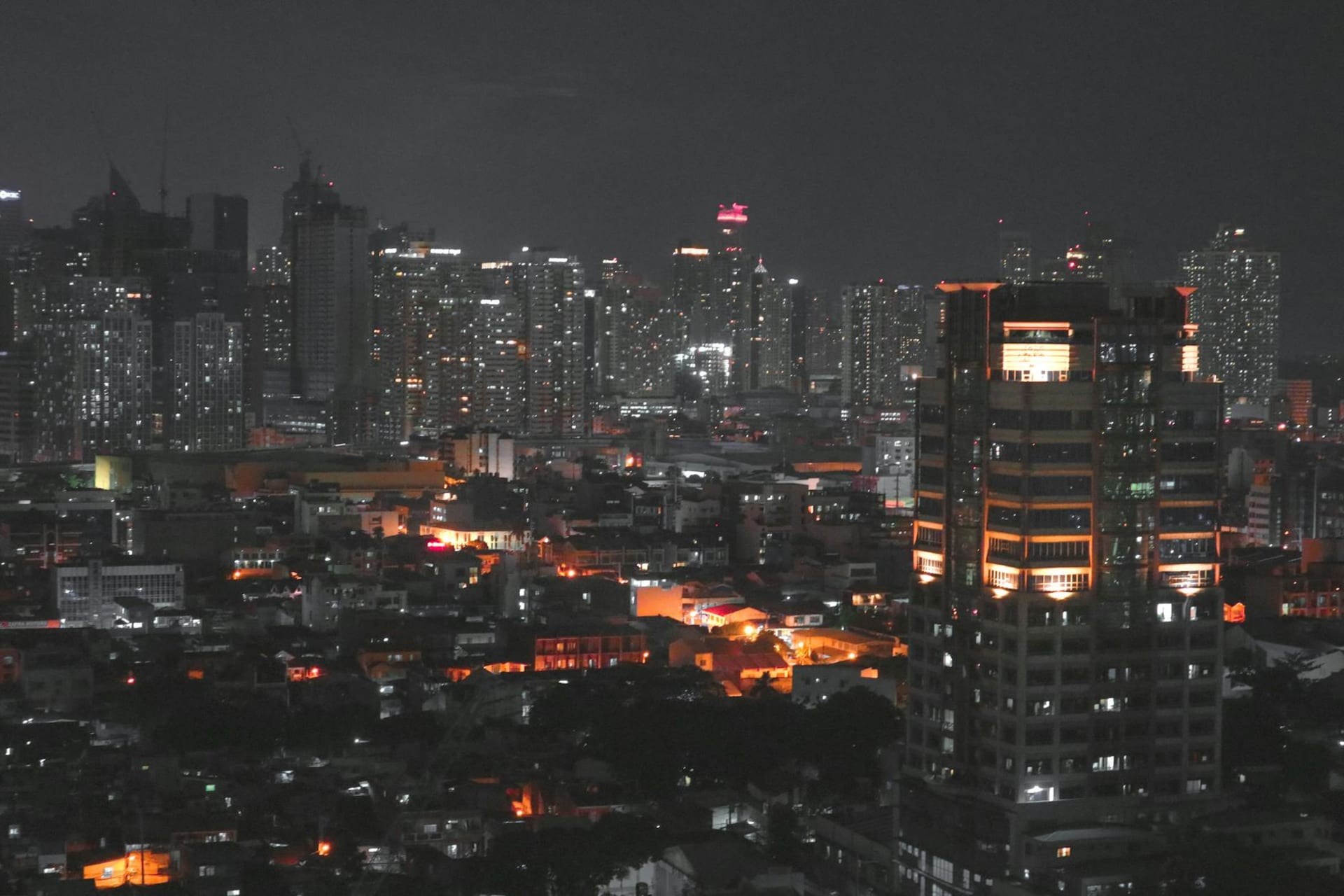
Manila
"Chaos, warmth, and lechon at midnight — Manila is not for the faint-hearted, but it is for the curious."
Manila is the city that most travelers skip on their way to the islands, and I understand why — the traffic alone can feel like a personal affront, the heat is relentless, and the urban sprawl appears, at first glance, to offer nothing that a beach in Palawan cannot replace. But Manila rewards the stubborn. It is a city where Spanish colonial history, American mid-century ambition, Chinese mercantile energy, and pure Filipino resilience have collided into something entirely original. You just have to know where to look.
Intramuros, the old walled city, is where it begins. Built by the Spanish in the sixteenth century, bombed nearly flat in 1945, and slowly rebuilt over the decades since, it contains Fort Santiago, San Agustin Church (the oldest stone church in the Philippines, a UNESCO site), and streets that feel more Latin American than Asian. I walked through on a Sunday morning when the cobblestones were wet from an overnight rain and the light was coming through the church windows at that low angle that makes everything look like a painting. A woman was selling taho — warm silken tofu with caramel syrup and tapioca — from a metal bucket. It cost twenty pesos and it was perfect.
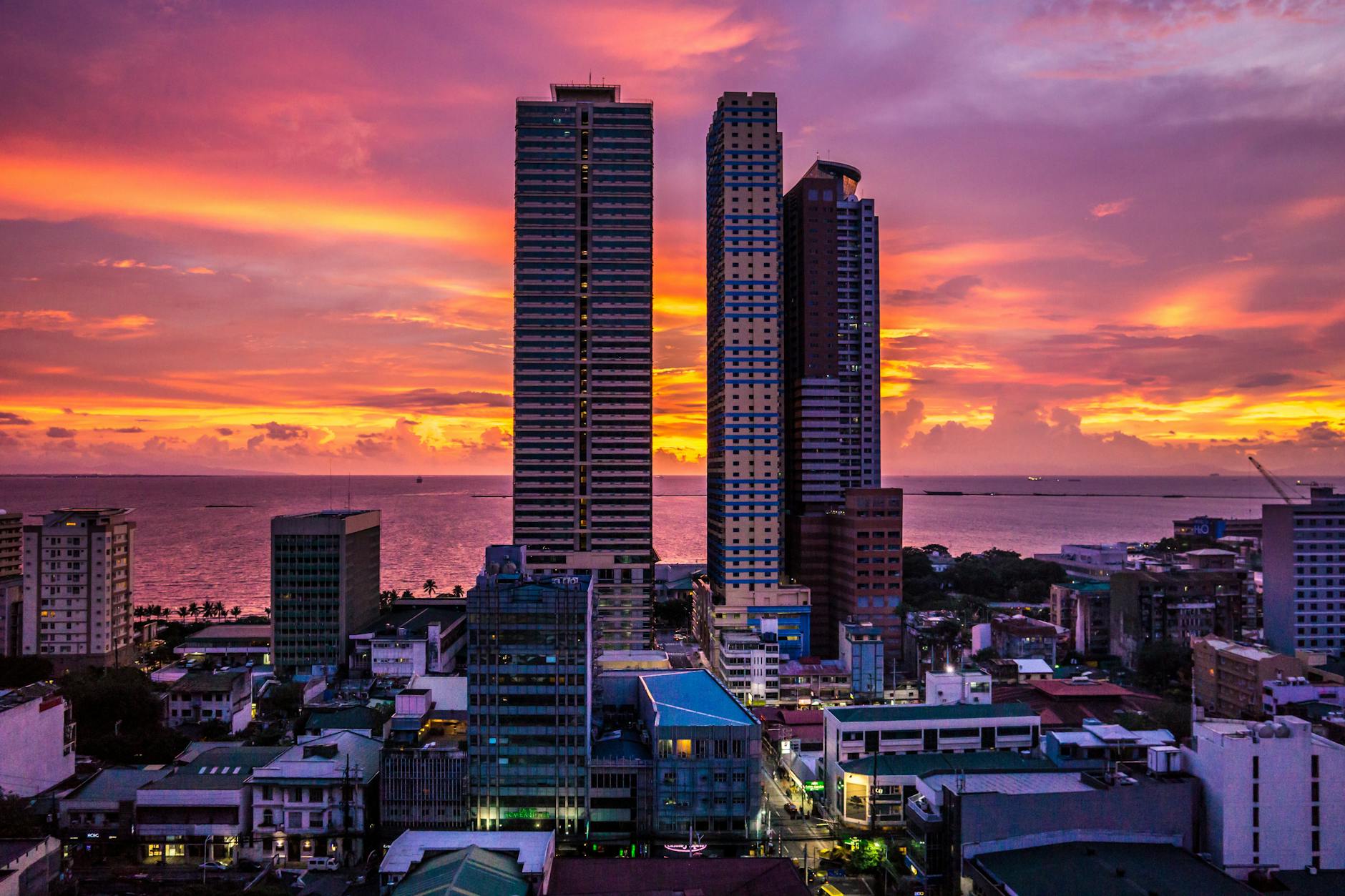
Binondo, the world’s oldest Chinatown, is a fifteen-minute walk from Intramuros and a different universe. The streets are narrow and loud and crammed with food — lumpia from a cart, hopia (flaky pastries stuffed with mung bean or ube), bowls of mami noodle soup served in restaurants that have not changed their recipes since the 1940s. Come hungry. Stay hungry. There is always another stall around the corner.
The food scene beyond the street level has exploded in the last decade. Filipino chefs are doing extraordinary things with local ingredients — I ate a ten-course dinner in Poblacion that reinterpreted adobo, sinigang, and kare-kare with a precision and creativity that would impress anywhere in the world, and the bill was less than what I would pay for a mediocre pasta in Paris.
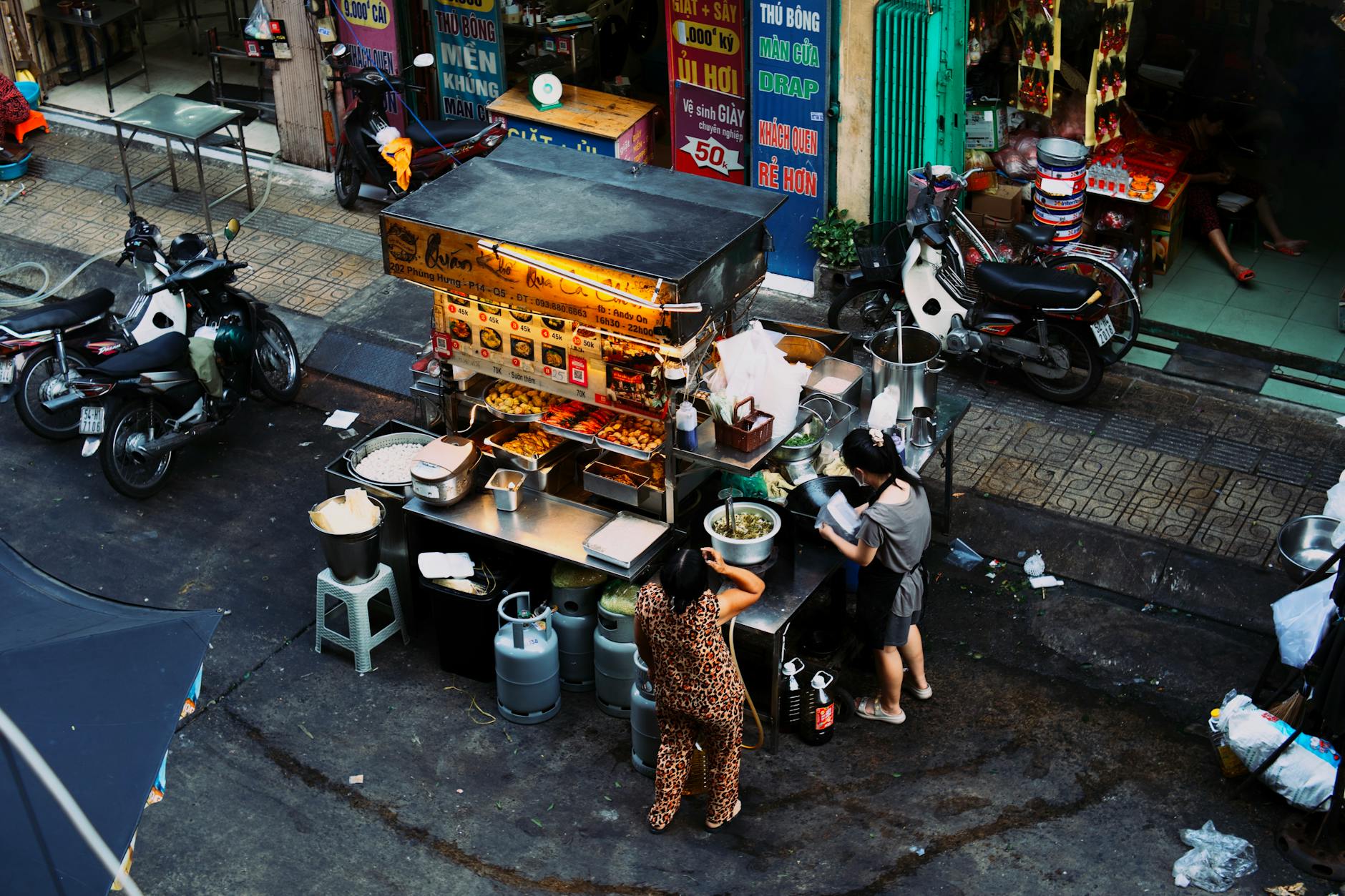
Poblacion in Makati is the nightlife district — rooftop bars, speakeasies hidden behind unmarked doors, live music venues where the bands are genuinely excellent (Filipinos are, per capita, among the most musically talented people I have encountered anywhere). The energy on a Friday night is infectious and runs until dawn.
The National Museum complex along Rizal Park is free, world-class, and almost empty on weekdays. The Spoliarium by Juan Luna — a massive oil painting depicting the Roman gladiatorial aftermath — is alone worth the visit. It is one of the great paintings of the nineteenth century, and it hangs in a room where you can stand three meters from it with nobody between you and the canvas.
When to go: December to February for the coolest, driest months. Avoid June to September — the monsoon makes the flooding serious. Manila is a gateway, not a beach — plan two to three days before heading to the islands.