El Nido
"The lagoons are real. I keep checking the photos to make sure I did not dream them."
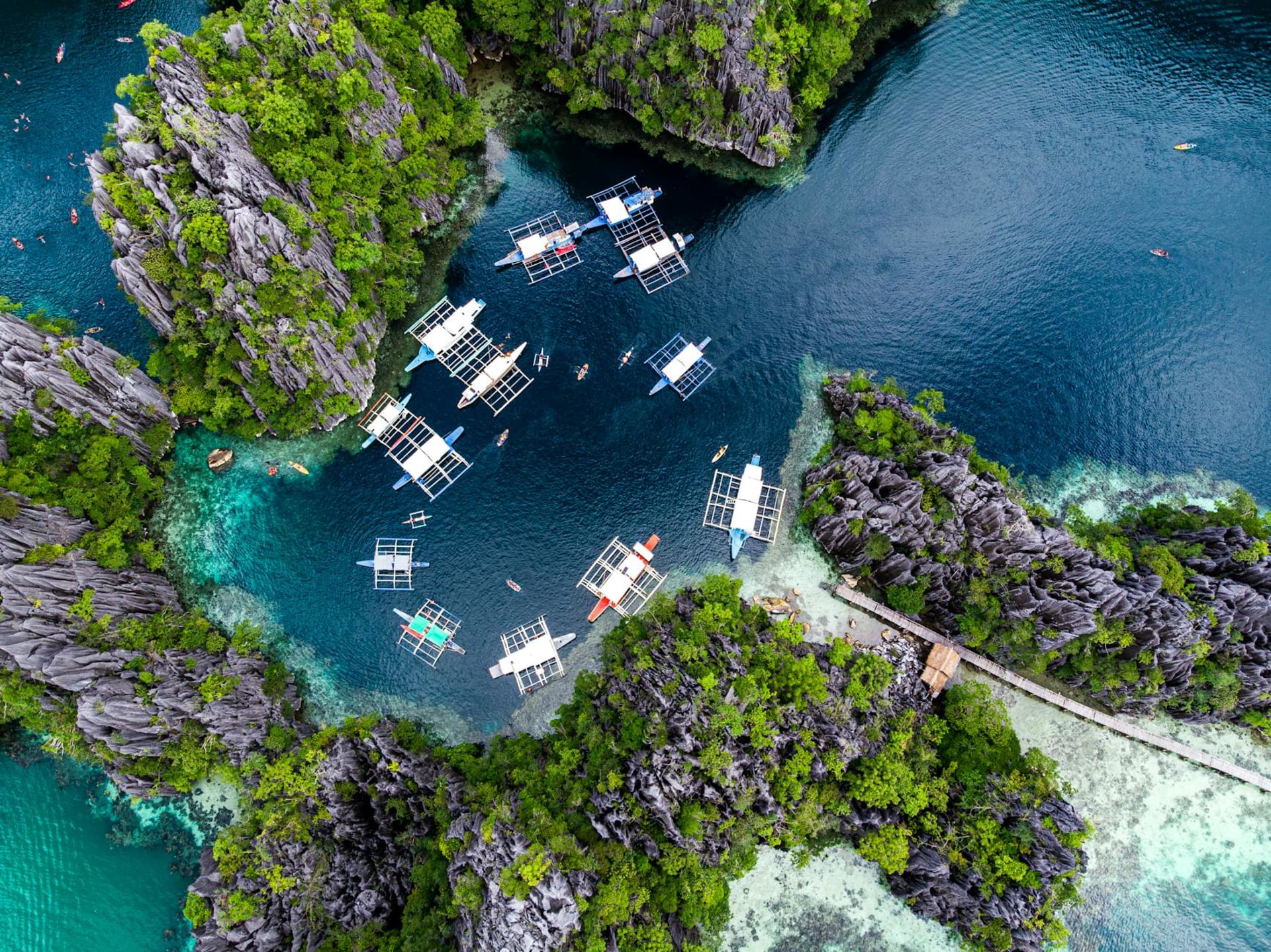
El Nido is the place that made me understand why people use the word “paradise” without irony. I had been skeptical — every beach destination in Southeast Asia claims to be paradise, and most of them are really just a nice beach with good marketing. But El Nido is different. The Bacuit Archipelago is a collection of limestone karsts rising from water so clear and so deeply colored that the word “turquoise” becomes inadequate. You need a new word. Nobody has invented it yet.
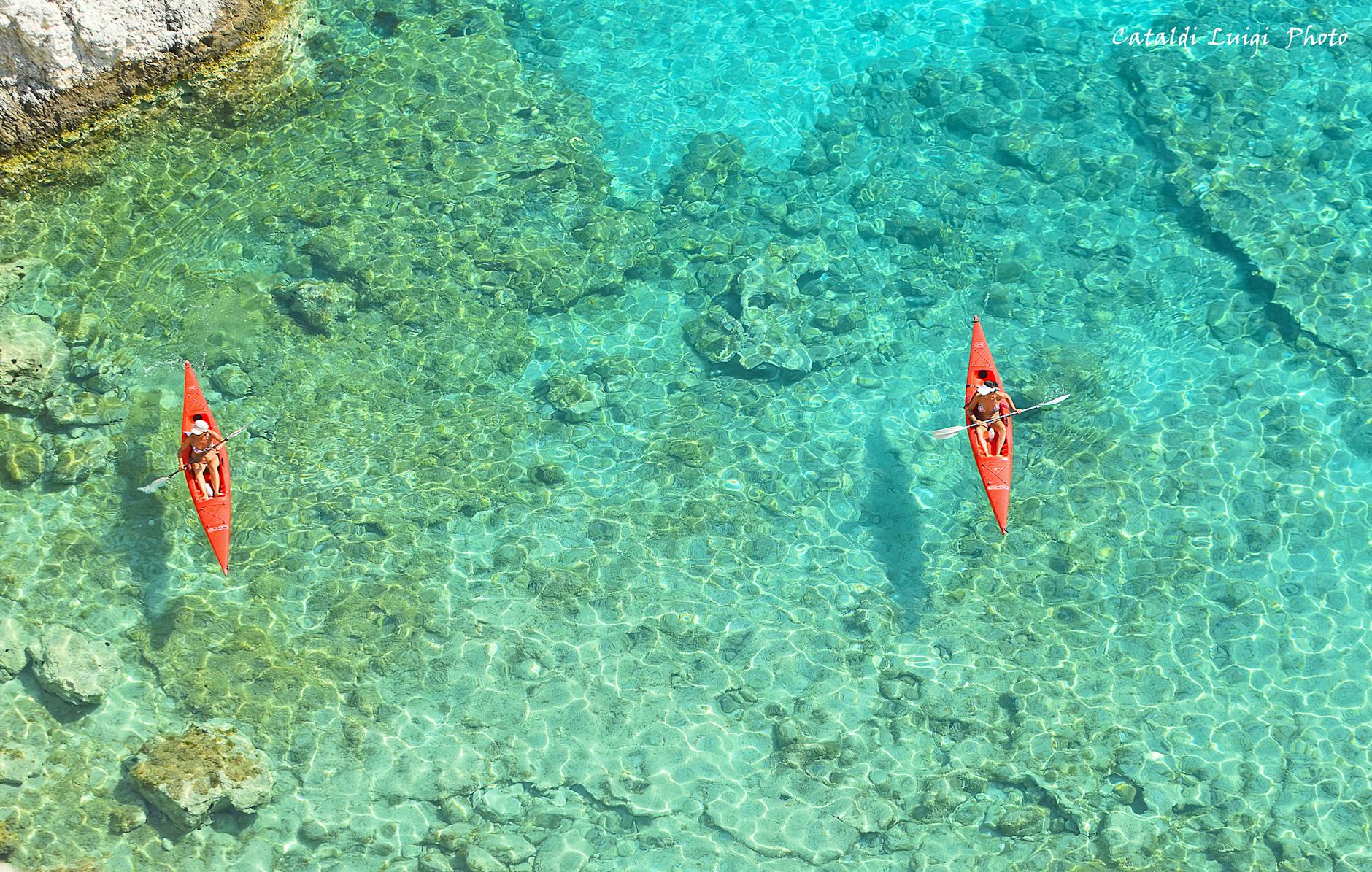
The island-hopping tours are organized into lettered routes — A, B, C, D — and Tour A is the essential one. It takes you through the Big Lagoon, where you kayak between limestone walls into an enclosed pool of emerald water so still it reflects the rock above like a mirror; the Small Lagoon, entered through a gap in the karst that requires you to swim through chest-deep water into a hidden amphitheater of stone and silence; and Secret Lagoon, accessed by crawling through a hole in the rock face into a pool surrounded by cliffs on all sides, like the inside of a geode made of water and limestone.
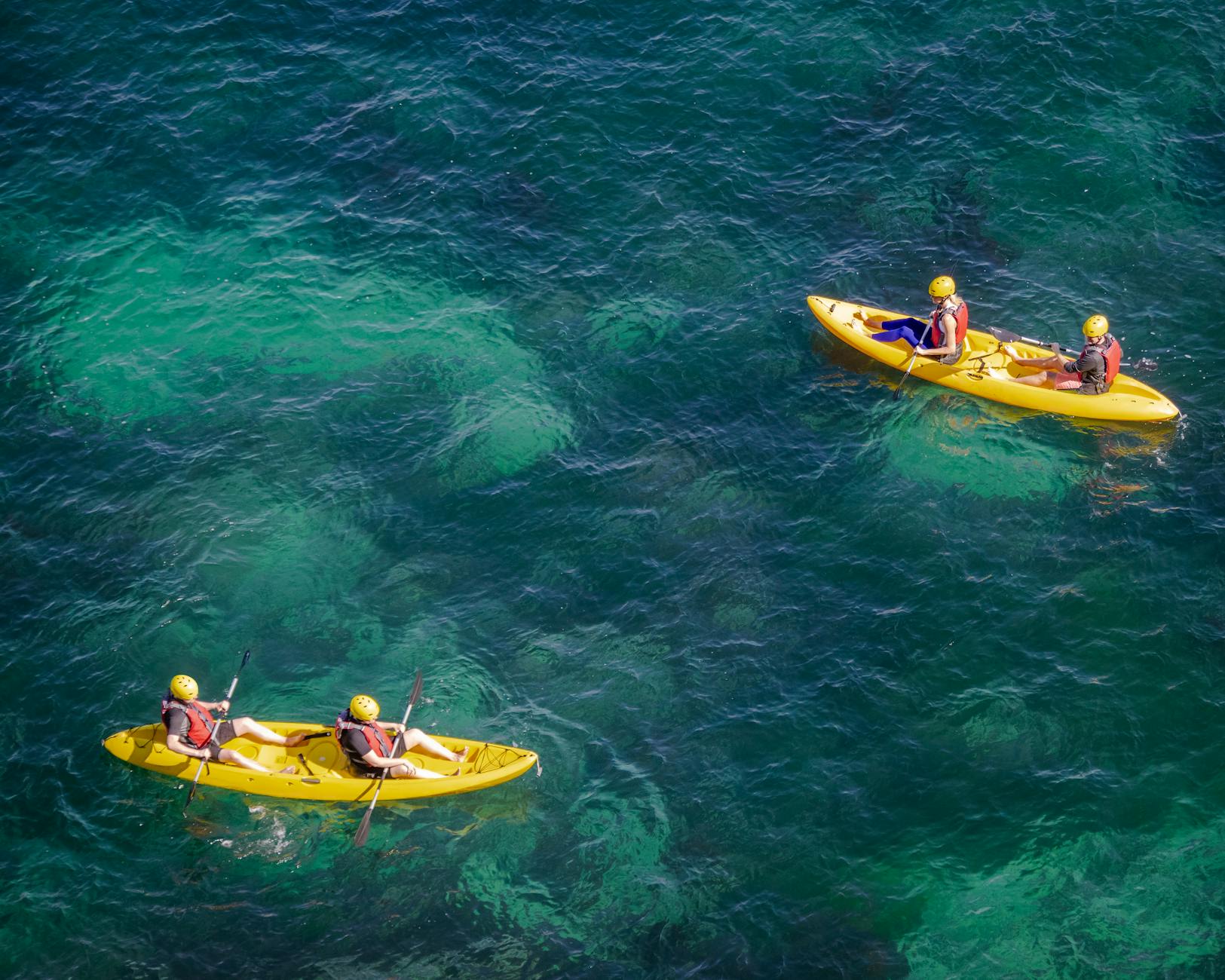
The trick is the timing. Standard tours leave at 9am and follow the same route in the same order. Hire a private bangka — it costs more but not outrageously so — and reverse the sequence. Start at Secret Lagoon, work backward, and you will have each stop nearly to yourself for the first hour before the flotilla arrives. The difference between experiencing the Big Lagoon with three kayaks and experiencing it with thirty is the difference between a memory and a photograph.
Tour C is the snorkeling option — Helicopter Island (named for its shape from a distance), Matinloc Shrine (a ruined chapel on a cliff with a hidden beach behind it), and open-water coral gardens where the fish are so abundant and so accustomed to snorkelers that they barely move as you drift through them. I spent forty minutes floating over a garden of staghorn coral watching a school of parrotfish work their way across the reef with the focused industriousness of creatures who know exactly what they are doing and find the observation of humans mildly tedious.
Nacpan Beach, a forty-minute drive from town, is El Nido’s best land-based beach — four kilometers of golden sand with a handful of bamboo shacks selling cold drinks and grilled fish. Come for the afternoon. Stay for the sunset. The light at Nacpan in the last hour before dark is the best light I have seen anywhere in the Philippines, and I do not say that lightly.
El Nido town itself is small, dusty, and increasingly developed — the main street is a mix of dive shops, restaurants, souvenir stores, and accommodation that ranges from backpacker dorms to boutique hotels carved into the hillside. The food scene has improved significantly: Trattoria Altrove does wood-fired pizza that would be good in Naples, and the Filipino restaurants along the beach road serve fresh seafood at prices that remind you why this country remains one of the best-value destinations in Asia.
When to go: November to May, with January to March as the sweet spot — dry, warm, and before the Easter surge. June to October brings the southwest monsoon: rough seas, cancelled tours, and reduced visibility. Some operators close entirely.