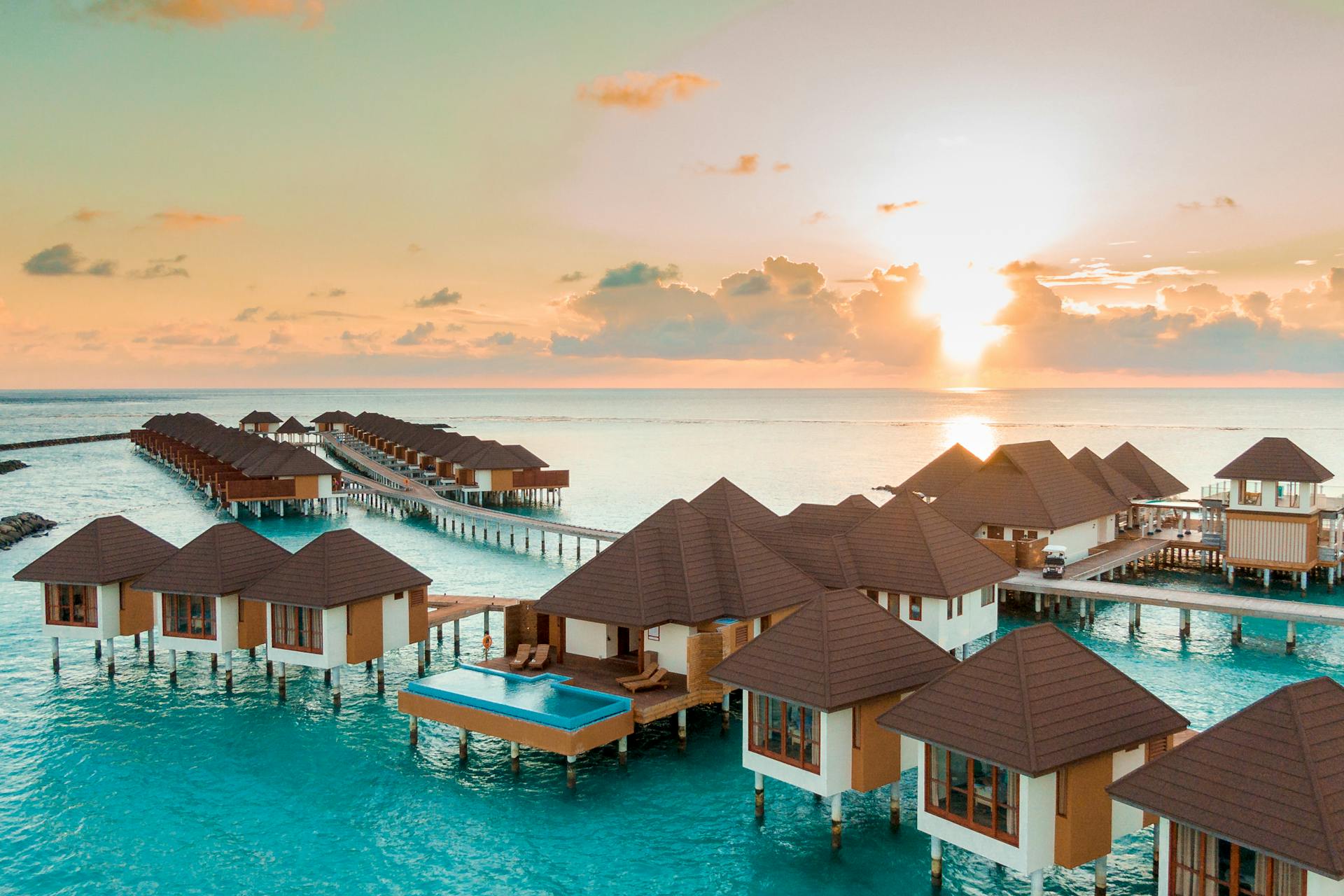
Cebu is the Philippines’ second-largest city and the gateway to the Visayas — the central island group that contains some of the country’s finest diving, most beautiful beaches, and most accessible wildlife experiences. The city itself is urban and energetic, with a food scene anchored by lechon (roast suckling pig) that is the best in the Philippines, full stop. I ate at Zubuchon on my first night — the skin crackling under my teeth, the meat impossibly juicy beneath — and I understood immediately why Cebuanos treat lechon not as a dish but as a point of civic pride. But Cebu’s real strength is its position: within a few hours by bus or boat, you can be diving with whale sharks, snorkeling with sea turtles, or swimming beneath waterfalls.
Oslob — three hours south of the city — is the controversial whale shark experience. The sharks are wild but fed by fishermen, which raises questions about the ethics. I will not tell you whether to go; I will tell you to research it and decide for yourself. The experience itself — swimming alongside the largest fish on earth in clear water — is extraordinary. What I will say is that the scale of a whale shark, when it passes within arm’s reach, rewires something in your understanding of the ocean. You are not the main character in this water.
Moalboal — on the southwest coast — is the dive destination. The sardine run at Pescador Island (millions of sardines in a bait ball that you swim into) and the sea turtle colonies at the house reef make it one of the best-value dive destinations in Asia. I checked into a beachfront dive resort, walked to the house reef, and within five minutes of entering the water I was hovering above a green sea turtle the size of a coffee table, watching it methodically graze on seagrass as if I were not there. The sardine run is another order of experience entirely — a swirling, silver mass that moves as a single organism, changing shape around you, the light filtering through millions of tiny bodies creating a shimmering, shifting wall of life.
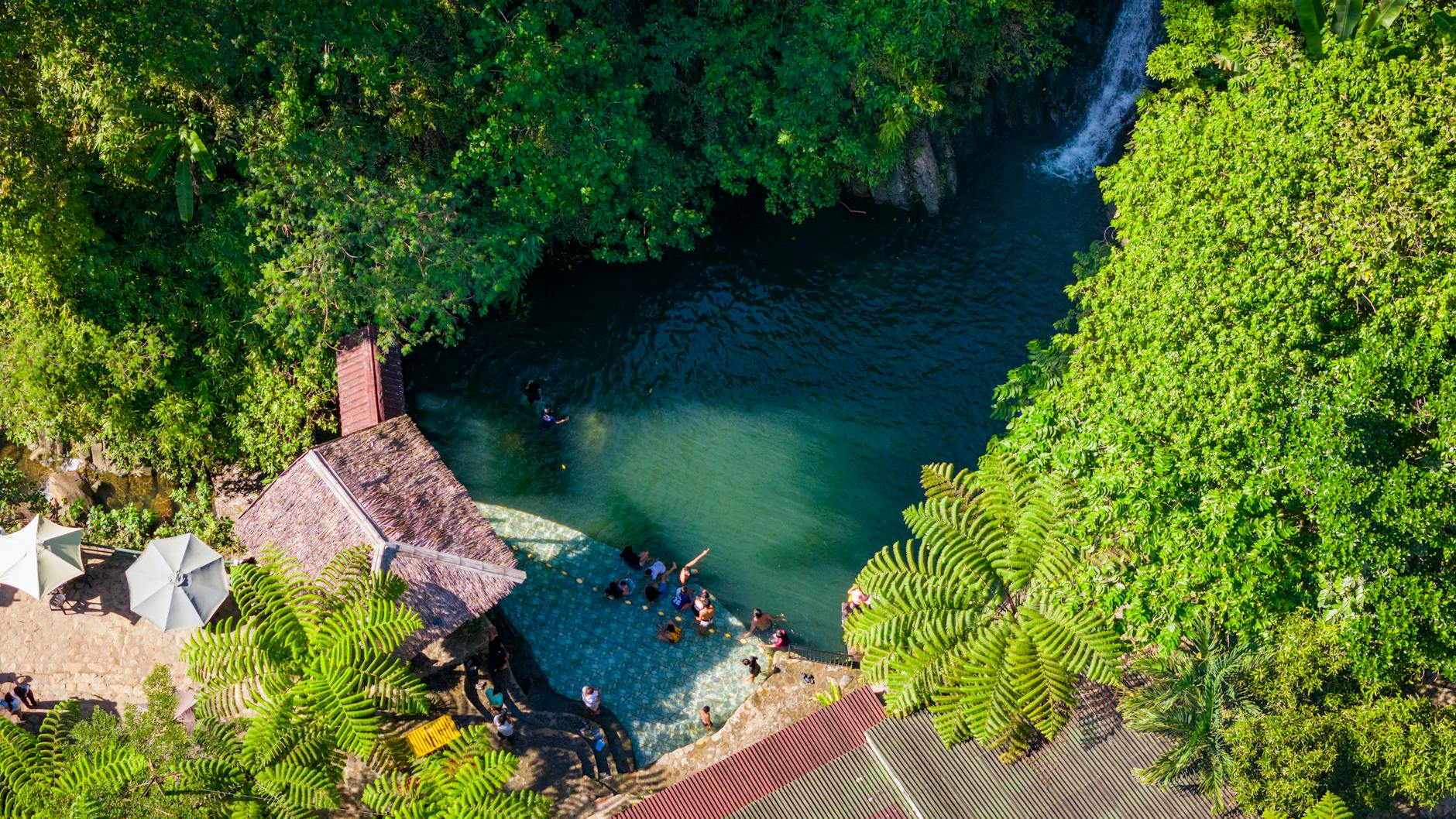
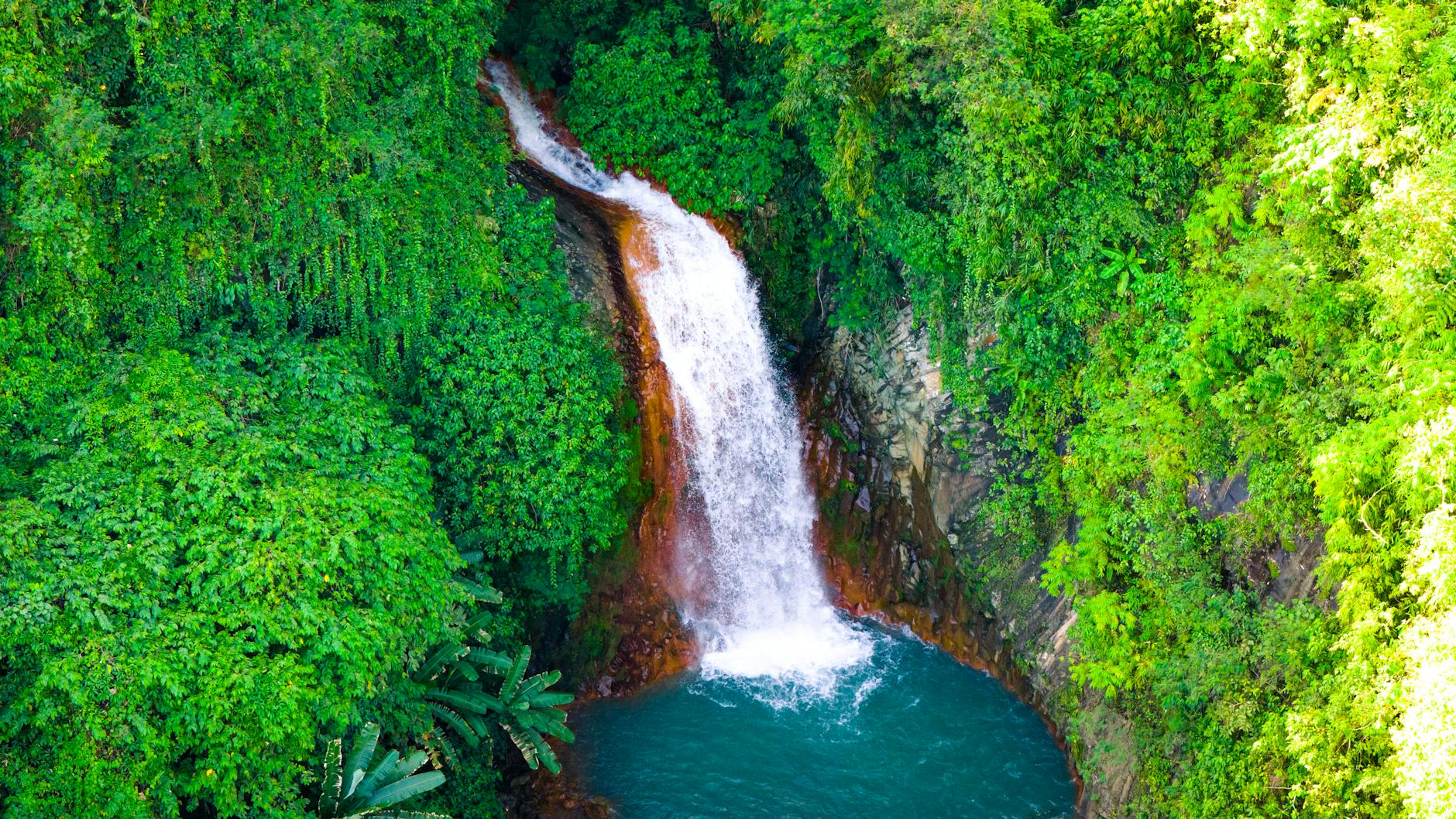
Kawasan Falls near Badian is a three-tiered turquoise waterfall accessible by a thirty-minute walk through jungle. The canyoneering route — descending the river upstream through a series of gorges, cliffs, and natural slides — is the adrenaline option. I did the full route: four hours of scrambling, jumping, and sliding through a canyon that felt like the earth had opened specifically to create the world’s most elaborate natural water park. The final jump — a ten-meter cliff into the pool at the base of the falls — is optional but strongly recommended for anyone who enjoys the specific rush of gravity followed by cold water.
Malapascua Island, off Cebu’s northern tip, is the only place in the world where you can reliably dive with thresher sharks. The early-morning dives at Monad Shoal, waiting at the cleaning station for the sharks to appear from the deep, are world-class. The alarm goes off at 4:30am. The boat leaves in darkness. You descend to the cleaning station at twenty-five meters and kneel on the sand and wait. And then — if the ocean decides to cooperate — a thresher shark glides out of the blue, its tail impossibly long, its movement impossibly graceful, and the early alarm becomes the best decision you have made in weeks.
The city itself deserves a day. The Basilica del Santo Niño, the oldest Roman Catholic parish in the Philippines, is a study in the specific way Spanish colonial religion embedded itself in Filipino culture. The Carbon Market, Cebu’s oldest and largest public market, is where the city shops — mountains of dried fish, baskets of mangoes (Cebu mangoes are the best in the country, which means the best in the world), and the kind of organized chaos that rewards curiosity.
When to go: December to May for the driest weather. Diving is year-round, though visibility peaks from March to June. Malapascua’s thresher sharks are most reliable from March to May.