
Boracay has a complicated reputation, and it deserves the nuance. For decades it was the Philippines’ party island — four kilometers of powdery white sand on the western shore, backed by a strip of bars, restaurants, and hotels that grew denser and louder every year until, in 2018, President Duterte called it a “cesspool” and shut the entire island down for six months of rehabilitation. The sewage systems were rebuilt, illegal structures demolished, the beach cleaned. When Boracay reopened, it was quieter, cleaner, and — crucially — still beautiful.
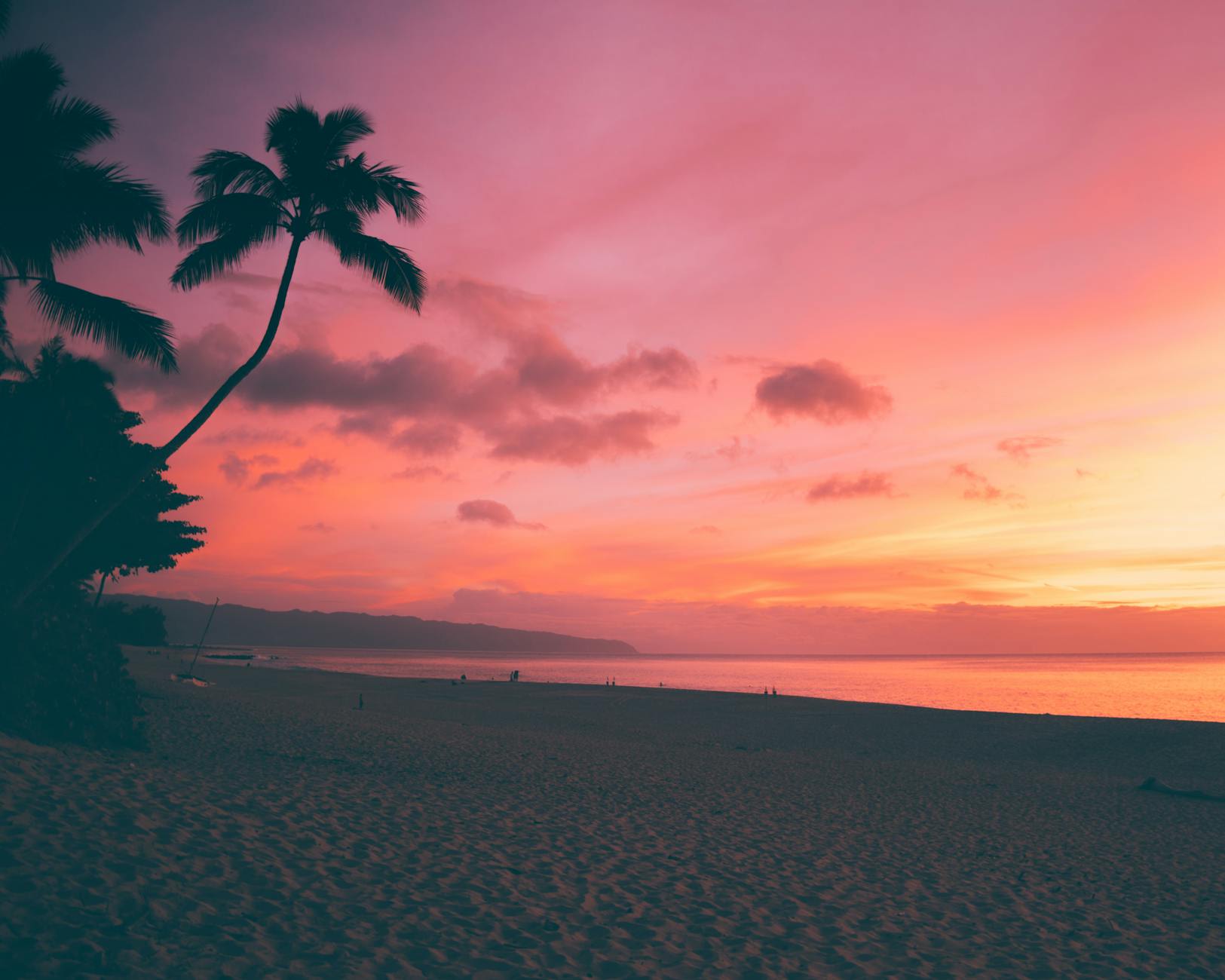
White Beach remains the draw, and it remains extraordinary. The sand is the texture of flour. The water is the temperature of a warm bath. The sunsets, viewed from any of the beachfront bars with a mango shake in hand, are the kind that make you stop talking mid-sentence because the sky has turned a colour you did not know it could turn. The beach is divided into three stations — Station 1 is the quietest and most upmarket, Station 2 is the commercial center, Station 3 is the budget end with a more backpacker feel. I preferred Station 1 for the mornings and Station 3 for the evenings, because the people there were more interesting and the San Miguel was cheaper.
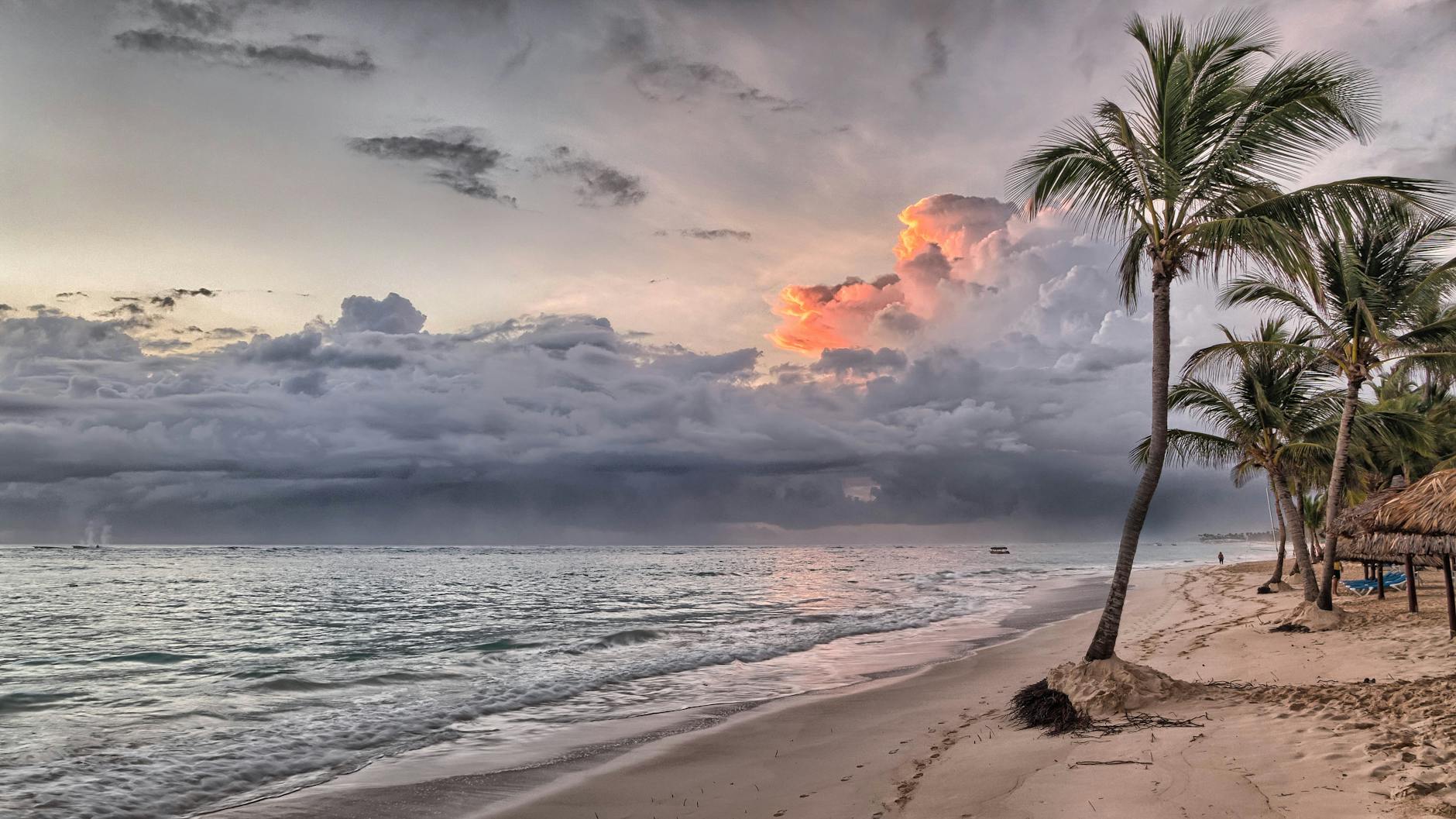
Puka Shell Beach on the northern tip is the antidote to White Beach when you need solitude. Rougher sand, fewer visitors, no hawkers — just a crescent of coast where the waves are slightly stronger and the vibe is slightly wilder. The tricycle ride from White Beach takes twenty minutes and costs almost nothing.
The island-hopping tours remain excellent — a day on an outrigger visiting Crystal Cove, Crocodile Island (no crocodiles, good snorkeling), and Magic Island, where locals jump from cliffs into deep blue water and dare you to follow. I jumped. The water was warm. The applause from the boat was generous.
Bulabog Beach on the eastern shore is the kitesurfing side — windy, rougher, and populated by the kind of tanned, athletic people who treat wind as a personal resource. Even if you do not kitesurf, watching the sails arc across the water at sunset is a legitimate evening activity.
The food has improved dramatically since the rehabilitation. Smoke does Filipino-fusion barbecue that is genuinely excellent. The D’Mall area has everything from Korean to Italian to the inevitable banana pancake that follows backpackers across Southeast Asia like a culinary shadow. But the best meals I had were at the smaller places — a grilled squid on the beach at Station 3, cooked over charcoal by a woman who had been doing it for thirty years and had reduced the process to something that looked effortless and tasted like mastery.
When to go: November to May for dry season. December to February is peak — book early and expect crowds. The rehabilitation era has imposed capacity limits, so Boracay no longer reaches the overwhelming density it once did. Shoulder months (November, March to May) offer the best balance of weather and calm.