
Banaue
"They carved a stairway to heaven into the mountain. Then they planted rice on it."
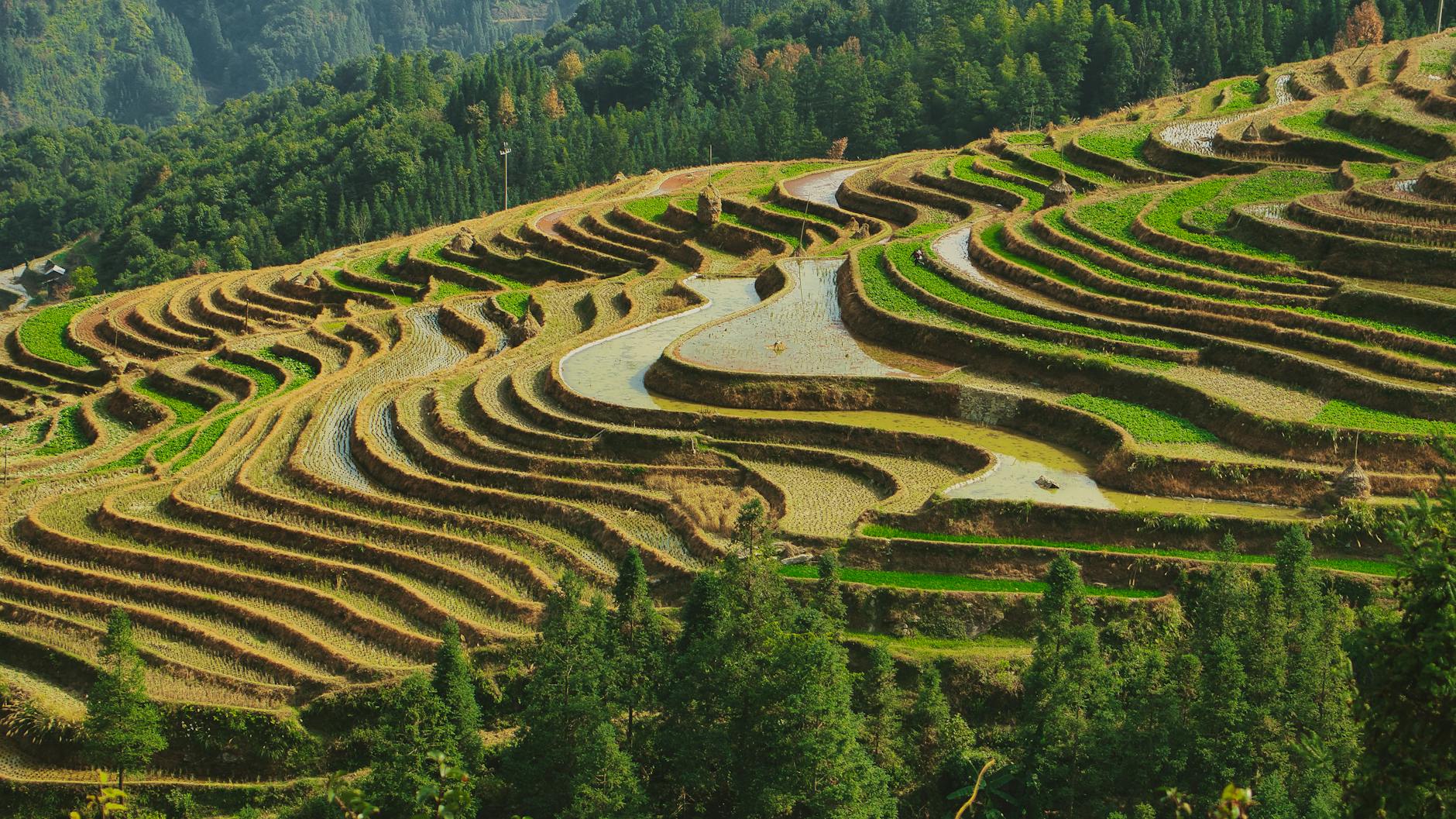
Banaue is the Philippines that most visitors never see — a mountain town in the Cordillera region of northern Luzon, eight hours by bus from Manila through roads that climb into cloud forest and emerge into a landscape that looks like it was designed by a civilization that understood both agriculture and art simultaneously. The Ifugao rice terraces, carved by hand into the mountainsides over two thousand years ago, are often called the eighth wonder of the world. Standing at the viewpoint above Banaue, looking out across terraces that cascade down the valley in perfect stepped curves, irrigated by a system of channels that still functions today, you begin to understand that this is not hyperbole. It is architecture on a geological scale.
The terraces around Banaue town are impressive, but the real destination is Batad — a village deeper into the mountains, accessible only by a forty-five-minute hike from the nearest road. The terraces here form an amphitheater — a natural bowl carved into the mountainside, with the village perched at the center and the rice paddies radiating outward and upward like the seats of a green, water-filled coliseum. I arrived in the late afternoon, after the hike, sweating and slightly out of breath, and the view stopped me entirely. It is one of the most beautiful things I have seen, anywhere.
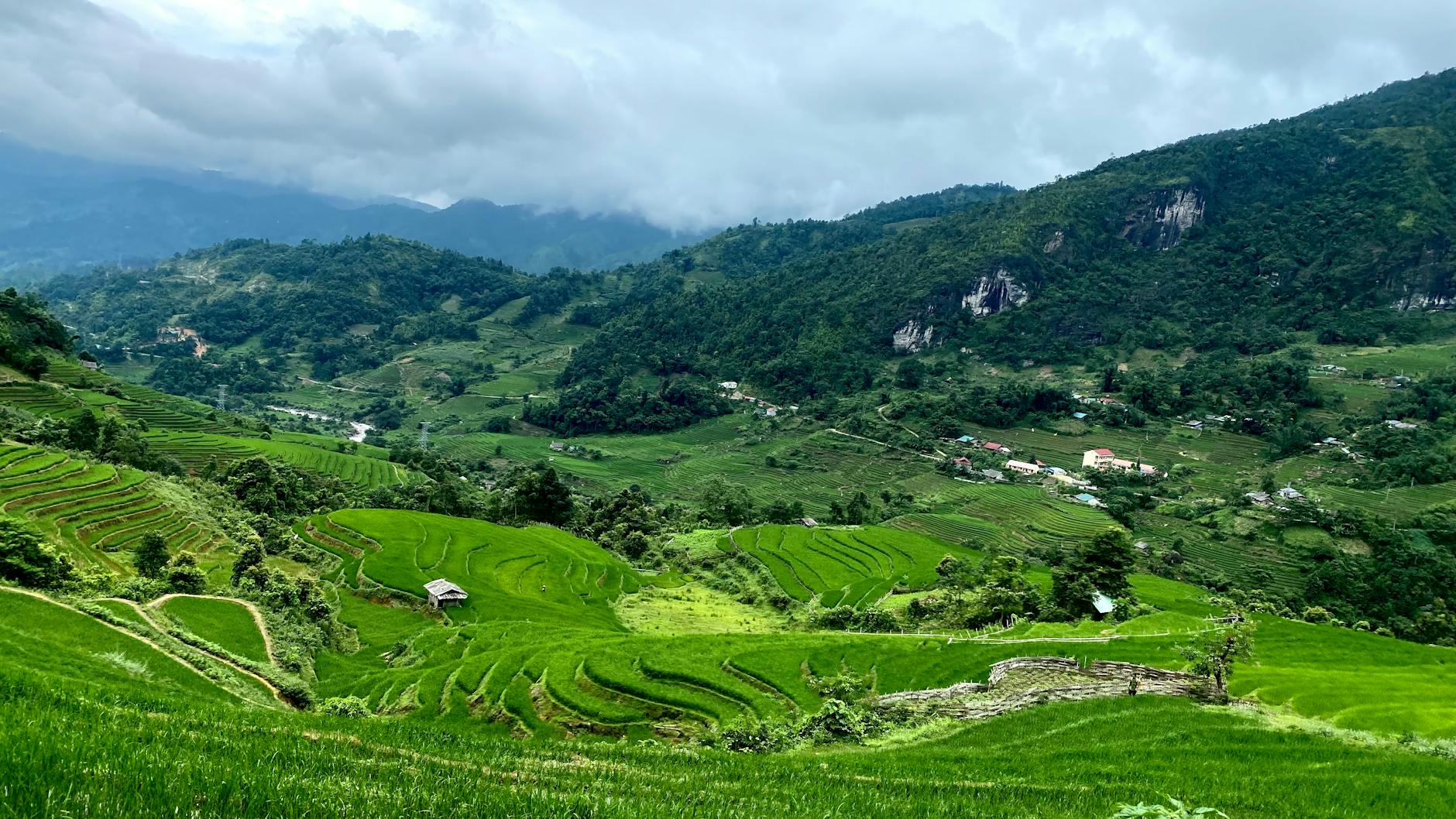
The hike down to the Tappiya Falls from Batad takes about an hour through the terraces themselves — you walk along the narrow walls between paddies, the water reflecting the sky on one side and the mountain on the other, while Ifugao farmers work the fields with tools and methods that have not fundamentally changed in centuries. The waterfall is a seventy-meter cascade into a natural pool cold enough to make you gasp and deep enough to swim. After the hike and the heat, it feels medicinal.
Hapao and Hungduan are alternative terrace sites — less visited, equally beautiful, and accessible by local transport or organized trek. The terraces at Hungduan have a particular geometry — wider, flatter steps that fill with water during planting season and turn into a mosaic of mirrors reflecting the clouds. If you have the time, spend a day here with a local guide. The Ifugao people are generous hosts, and the stories they tell about the terraces — how they were built, who maintains them, what happens when the young people leave for Manila — add a layer of meaning that the landscape alone does not provide.
The town of Banaue itself is small and functional — a handful of guesthouses, a market, some restaurants serving simple mountain food (the local rice varieties are nuttier and more flavorful than lowland rice, and the smoked meat is excellent). The nightlife is nonexistent. The internet is unreliable. The air is cool enough to need a jacket after dark. None of this is a complaint. Banaue is not trying to entertain you. It is trying to show you something that took two thousand years to build, and it asks only that you show up and pay attention.
When to go: February to June for the most photogenic terraces — planting season fills the paddies with water, creating the mirror effect. The harvest season (July to August) turns them golden. Avoid December to January — the roads can be treacherous and fog obscures the views. Bring warm layers regardless of season; nights in the Cordillera are cool.