
Tierra del Fuego
"Ushuaia calls itself the end of the world. Standing at the Beagle Channel, you understand it means that literally."
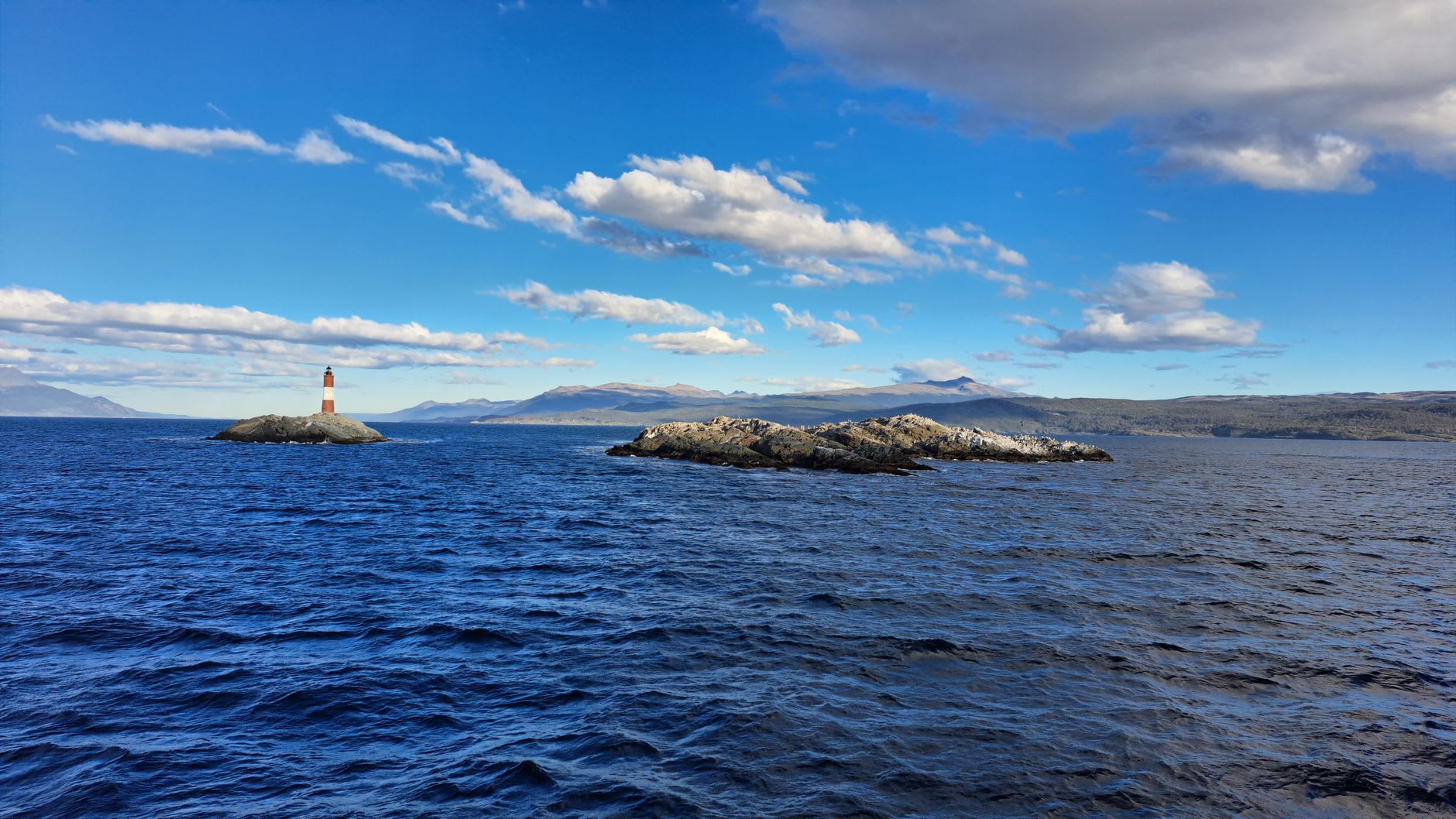
The ferry from Punta Arenas crosses the Strait of Magellan in about twenty minutes, long enough to feel the transition in the water — rougher here, colder, the colour of pewter — before the Tierra del Fuego shore rises ahead. I took the crossing in the afternoon on a day that couldn’t decide between sun and rain, and the island appeared first as a dark mass beneath low cloud and then, as we got closer, resolved into detail: beech forest down to the waterline, snowfields on the peaks, a lighthouse painted red and white at the point of entry. Something about that lighthouse felt like a punctuation mark at the end of a very long sentence, and I found myself standing at the ferry railing in the cold wind for longer than was sensible.
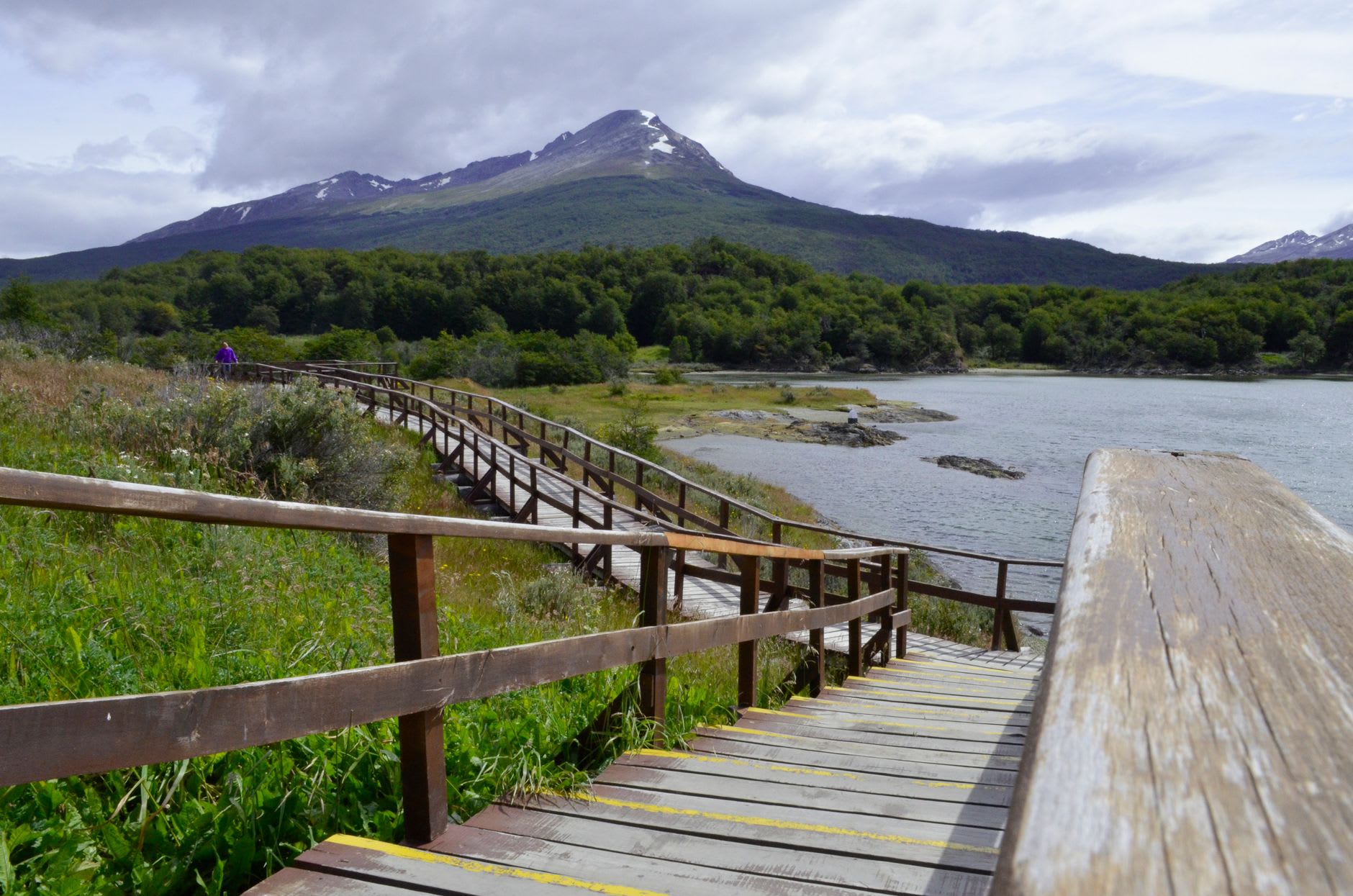
Ushuaia, the city at the southern end of the island — and the southernmost city on earth, a distinction it advertises on every available surface — is both more and less than its reputation. The town itself is a working port with a commercial waterfront and a city centre that mixes tourist shops with hardware stores and supermarkets in the Argentine way, practical and unadorned. But behind it, the mountains are immediate and severe — the Martial Range pressing down into the urban grid — and the Beagle Channel in front offers a theatre of weather and light that changes by the hour. I arrived on an evening when the water was perfectly calm and the mountains were reflected in it and someone on the dock was playing guitar badly and I thought: this is enough. This is genuinely enough.
The Parque Nacional Tierra del Fuego runs westward along the Beagle Channel from the city limits and offers the strange distinction of being both a national park and the terminal point of the Pan-American Highway — a road that begins in Alaska and ends here, at a brown signpost above a pebble beach. I walked to that signpost on a cold morning, fog on the water, the beech trees orange and red with colour even though it was December, because the island runs on its own calendar. The beach itself is just a beach — stones, cold water, a few ducks — but standing there you feel the weight of all that distance above you.
The Yamana people lived on these islands for thousands of years, navigating the channels in bark canoes, keeping small fires burning even in the coldest months — which is why Darwin, passing on the Beagle, named the place. Their descendants are almost entirely gone now, and the Museo del Fin del Mundo in Ushuaia handles this history with more care than I expected, laying out the contact era and the missionary period and the decimation that followed with directness and grief. I spent two hours there on a rainy afternoon and came out knowing things I hadn’t known and wishing the story had gone differently.
The channel boat trips that run from the Ushuaia pier take you out past sea lion colonies and cormorant nesting cliffs and, in season, bring you alongside Magellanic and Gentoo penguins on Isla Martillo. The water is cold enough that the penguins seem vaguely amused by the attention, which penguins are good at projecting, and the channel itself — with its backdrop of Chilean mountains on the far side — gives you the clearest possible picture of what it means to be at the end of things.
When to go: November through March for the best weather and boat trip conditions. October and April offer the lenga beech autumn colour and whale-watching possibilities in the channel. Winter from May through August is genuinely cold and quiet — the city functions but the park is under snow and the channel trips are reduced. If you want the penguins on Isla Martillo, go between November and March.