Trobriand Islands
"The yam house is more ornamented than the chief's house. That tells you everything about what this society values."
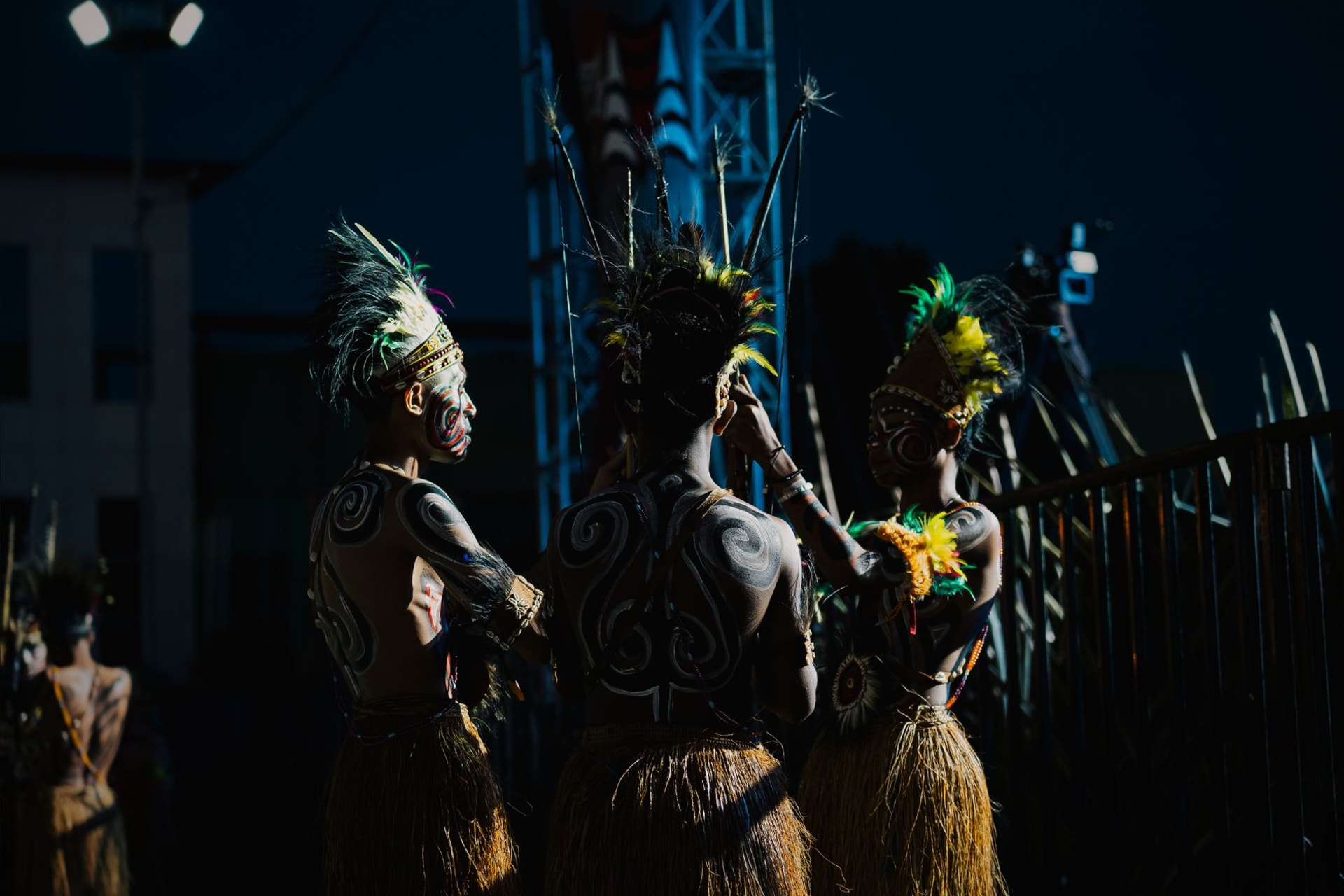
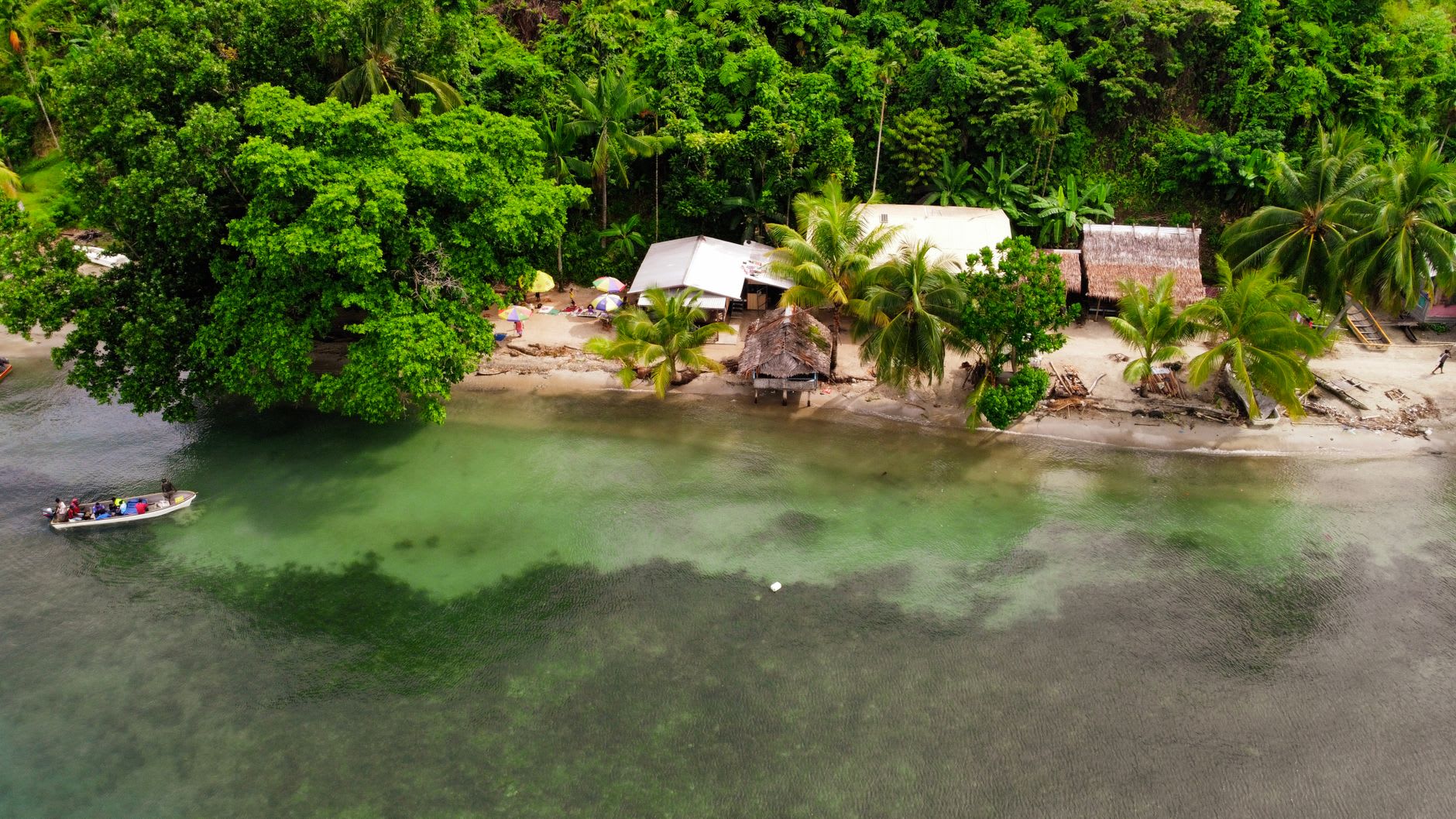
The Trobriand Islands sit in the Solomon Sea about 160 kilometres off the eastern coast of mainland PNG, a low-lying coral archipelago that in photographs looks like anywhere tropical — white sand, turquoise water, coconut palms leaning toward the sea. The photographs do not prepare you for the yam houses. On Kiriwina, the main island, the yam houses are the most ornamented structures in every village — their facades decorated with painted carvings, their eaves hung with shells, their interiors stacked floor to ceiling with long, fat yams in arrangements that function simultaneously as food storage and public statement of wealth. A chief’s prestige is measured in yams. The larger and more numerous your yams, and the more elaborately housed, the greater your standing. The first time I walked through a village at Omarakana and counted the yam houses against the ordinary dwellings, I understood something about what a society looks like when it chooses to express its values through agriculture rather than accumulation.
Bronisław Malinowski spent the years 1915 to 1918 living in these islands and produced from the experience three of the most influential works in the history of anthropology. His observations on Trobriand economic exchange, on the kula ring — the ceremonial trading network that circulates shell armbands and necklaces between island communities in an endless loop, creating alliances and obligations that have nothing to do with utility — changed how Western thinkers understood exchange, value, and the nature of economic behaviour. I had read enough of Malinowski before arriving to carry his questions with me, though the islands are not a museum to his work. They are simply themselves.
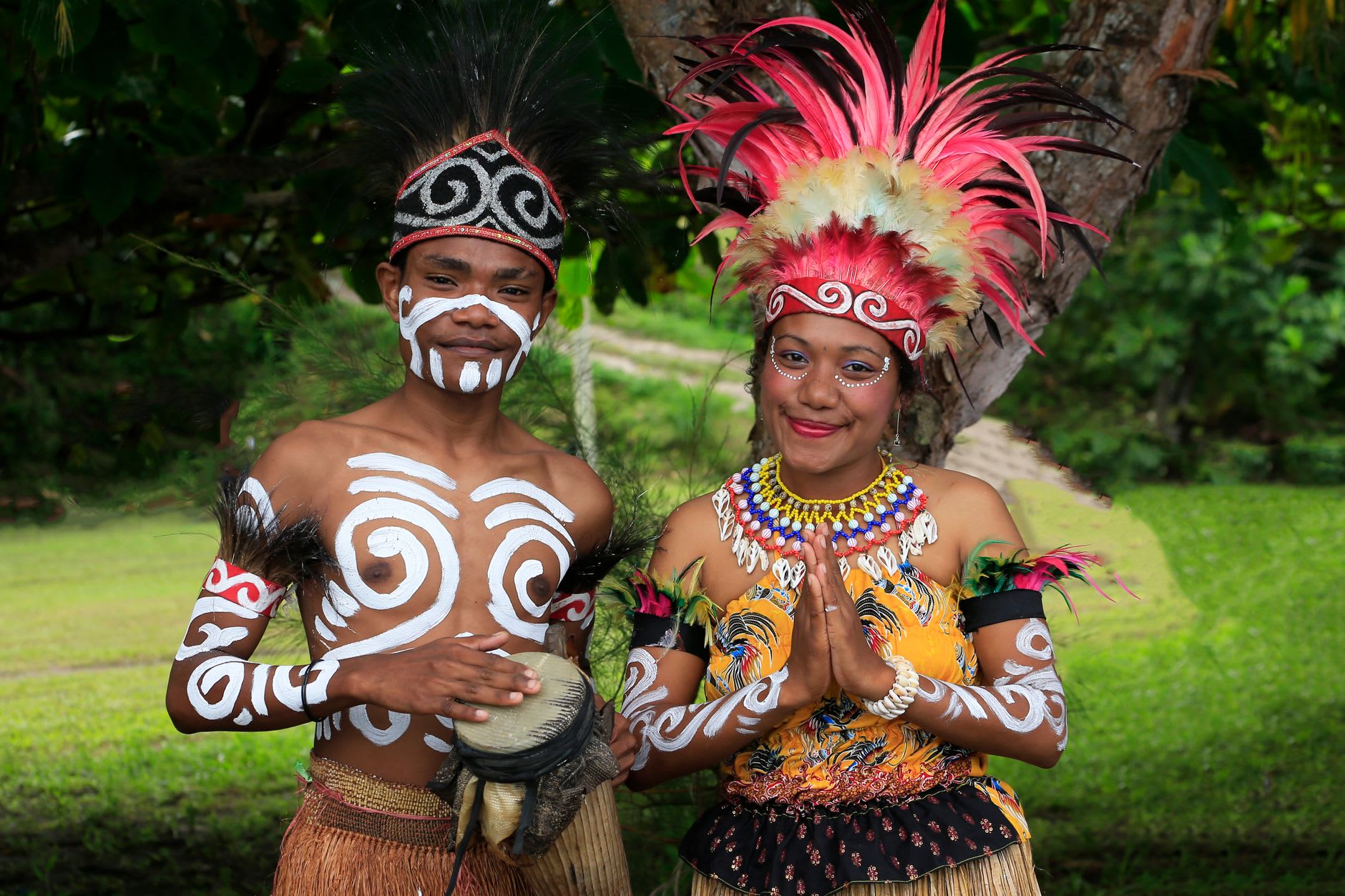
The cricket is a separate matter entirely. The British introduced cricket to the Trobriands in 1903 as part of a mission effort to redirect the energy of inter-village warfare. The Trobrianders accepted cricket and then remade it according to their own logic: teams can have as many players as the home village has men, the home team always wins as a matter of social protocol, every dismissal is celebrated with a chant composed specifically for the occasion and performed with dance, and the players wear face paint and traditional dress. I watched a match on a flattened field at the edge of Losuia town that began at nine in the morning, proceeded with extraordinary intensity, involved perhaps sixty players on the field simultaneously at points, and had a quality of ceremonial seriousness that formal cricket occasionally aspires to. The home team won decisively. This seemed correct.
The lagoon that surrounds Kiriwina is extraordinary for snorkeling — bommies of hard coral rising from sandy shallows, clownfish in anemones, schools of small reef fish moving in formations that seem choreographed. The pace of island life made even an afternoon in the water feel different: slower, more attentive, the fish undisturbed by a diver who spends twenty minutes hovering over the same coral head because there is nowhere else to be.
When to go: July and August are the best months, coinciding with the Milamala festival — the yam harvest celebration when the Trobriands come alive with dancing, ceremonial exchange, and the arrival of kula traders from other islands. This is the single most extraordinary cultural event in the archipelago and worth planning an entire PNG itinerary around. Flights from Port Moresby to Losuia are limited to a few per week; Air Niugini serves the route, but schedules require flexibility.