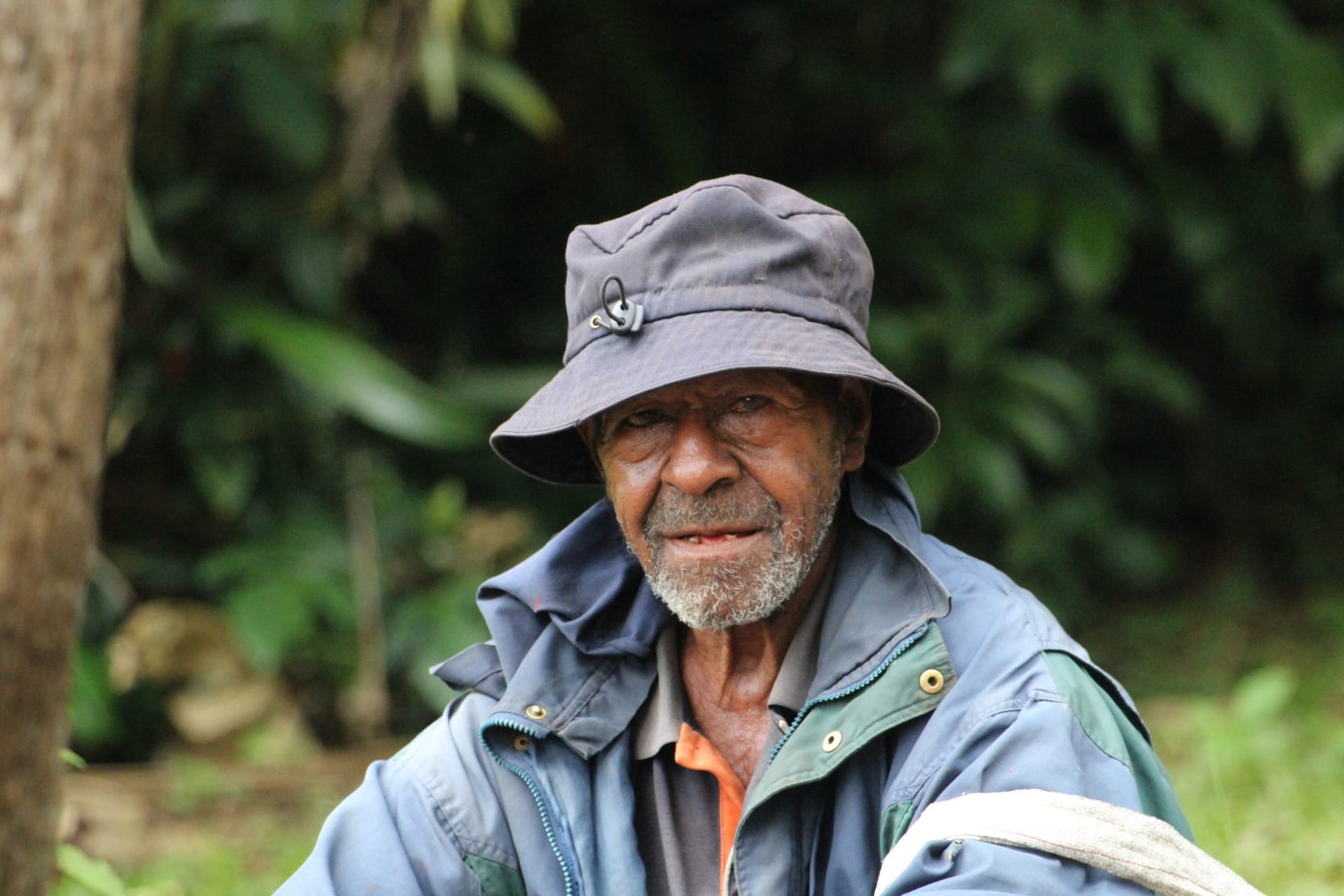
Kokoda Track
"The jungle doesn't care about history. It just grows over everything. But somehow that makes the history feel more present, not less."
I was not prepared for how physical the Kokoda Track would be, which is a failure of imagination on my part given that every account I had read used words like brutal and relentless. The Owen Stanley Range in Oro Province rises to over 2,000 metres and the track climbs and descends this terrain continuously for eight to ten days, through jungle so dense that the canopy closes out the sun entirely in places, the undergrowth pressing in from both sides, the mud so deep and red in the wet sections that it swallowed my boots past the ankle. Within two hours of the start I understood why Australian soldiers in 1942 called this the Green Hell. I also understood something else: the porters from the local villages of Kokoda, Efogi, and Isurava carried loads of thirty kilograms and moved with a speed and ease that made it apparent the jungle was comfortable for them in a way it would never be for me.
The track follows the route of the 1942 Kokoda Campaign, one of the defining land battles of the Pacific War, where Australian troops — many of them barely trained — held back the Japanese advance toward Port Moresby across terrain that military commanders had considered impassable. The campaign cost over 600 Australian lives and many thousands of Japanese. Along the trail, memorial plaques appear in jungle clearings, sometimes marked with a cairn or a rusted rifle, the words worn to illegibility in some places. The Owen Stanley villages have lived alongside this history for eighty years and carry it with a matter-of-fact pride that is not nationalistic — they tell you about the fuzzy wuzzy angels, the local carriers who rescued and transported wounded soldiers, the same way they tell you about everything else: plainly, with the detail of people who know the stories are theirs.
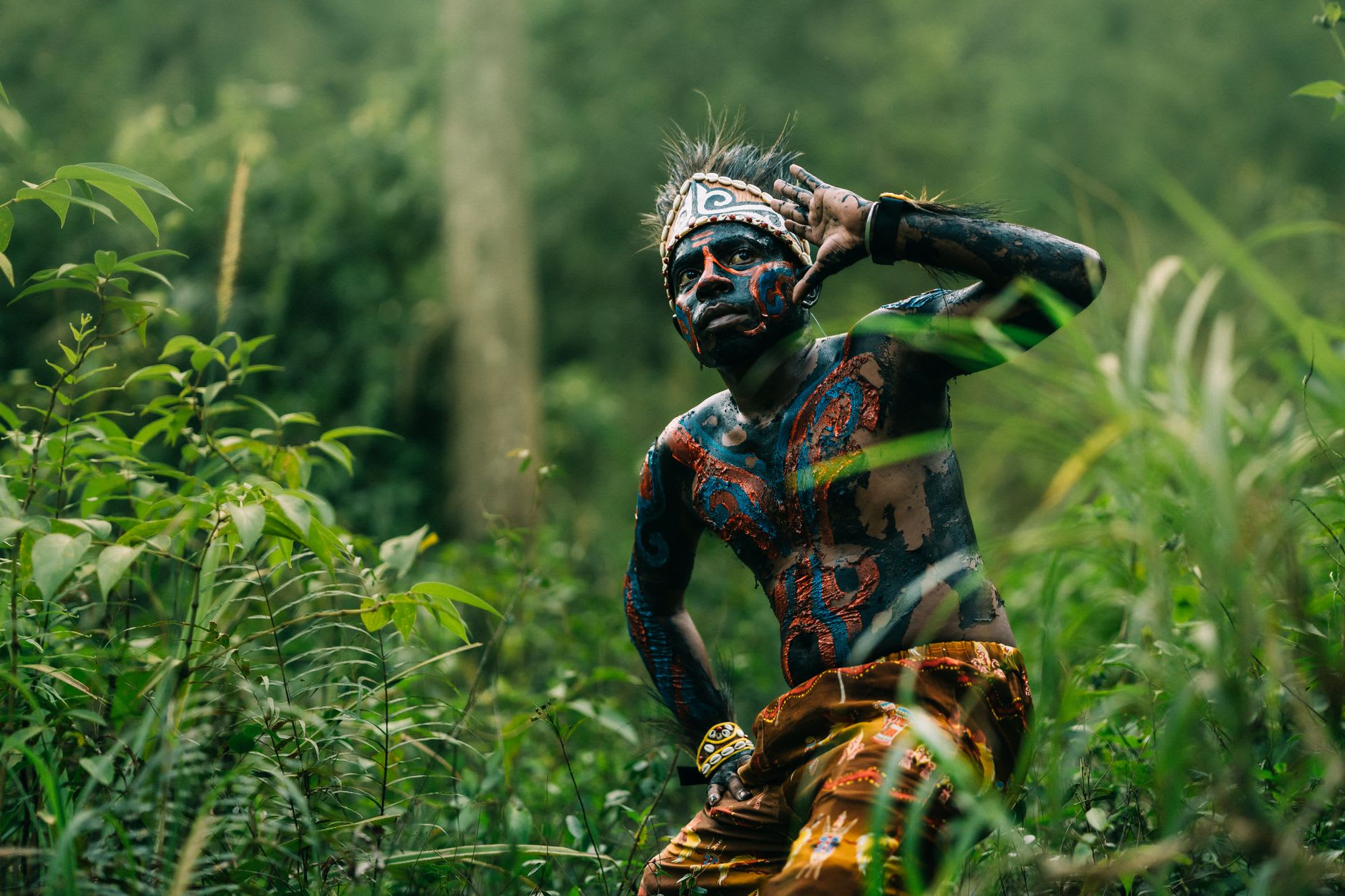
At the end of each day — if day is the right word for it, given that you lose the sun by mid-afternoon under the canopy — the villages where we camped had prepared food over open fires: taro, kaukau, tinned fish, and occasionally a chicken that had clearly not volunteered. I ate more than I thought possible after eight or nine hours of climbing. The porters sat around a separate fire and talked in language I could not follow, laughing at things that may or may not have involved me. Sleep came within minutes of lying down, the sound of the jungle completely filling the silence I was used to — insects, frogs, something in the canopy above the tent that moved through branches without ever revealing itself.
The track ends, depending on direction, at either Kokoda Station in the north or Owers Corner outside Port Moresby in the south. I walked north to south and arrived at Owers Corner on the morning of the ninth day in a state of physical exhaustion that felt strangely earned. My boots had disintegrated. My knees were making sounds they had never made before. The porter who had carried my bag the entire way — a man named Samuel, who was twenty-three and wore thongs for the entire journey — shook my hand and said “good trekking” with the polite sincerity of someone who had seen people in worse shape than me.

The track is not for casual walkers. It requires real physical preparation — months of it — and a good local guide or tour operator. Going without proper guidance and support is both dangerous and disrespectful to the communities whose land you are crossing.
When to go: May through August is the best window — the dry season makes the track’s most notorious mud sections manageable and the heat is slightly less suffocating. April and September are marginal. Avoid October through March entirely: the wet season turns the track into something genuinely dangerous, with river crossings that can be impassable and mud that swallows you thigh-deep.