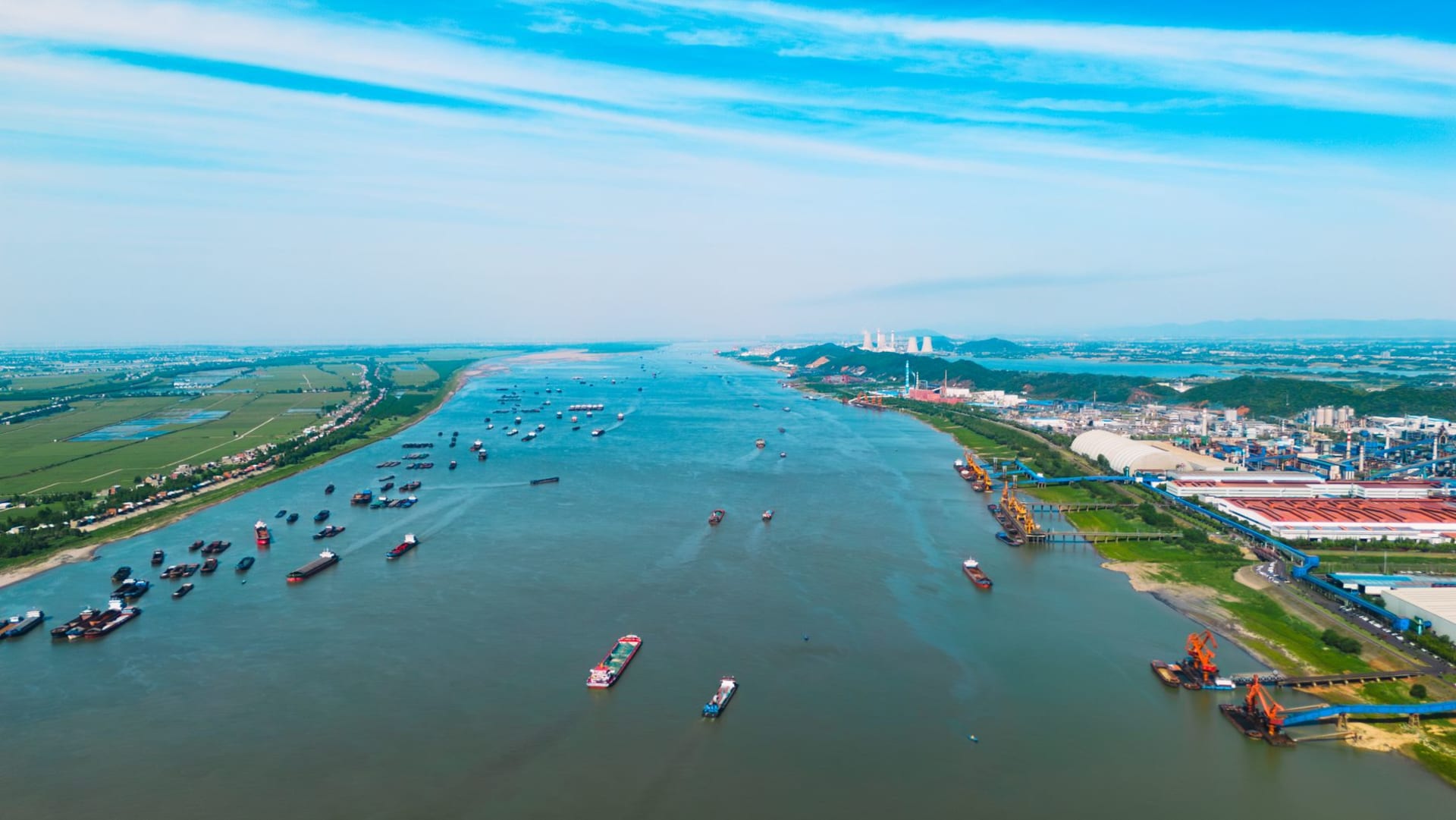
Ulong Channel
"For twelve minutes I didn't kick once and I saw more than I'd seen all week."
My dive guide explained Ulong Channel like this: you go in at the top, the current takes you, you don’t fight it, and you come out at the bottom. Everything in between is on the reef’s terms, not yours. He had been doing this dive for fifteen years and still described it the way someone describes a good meal — with a particular interest in the specifics, a slowdown in delivery, a sense that the topic deserved proper attention.
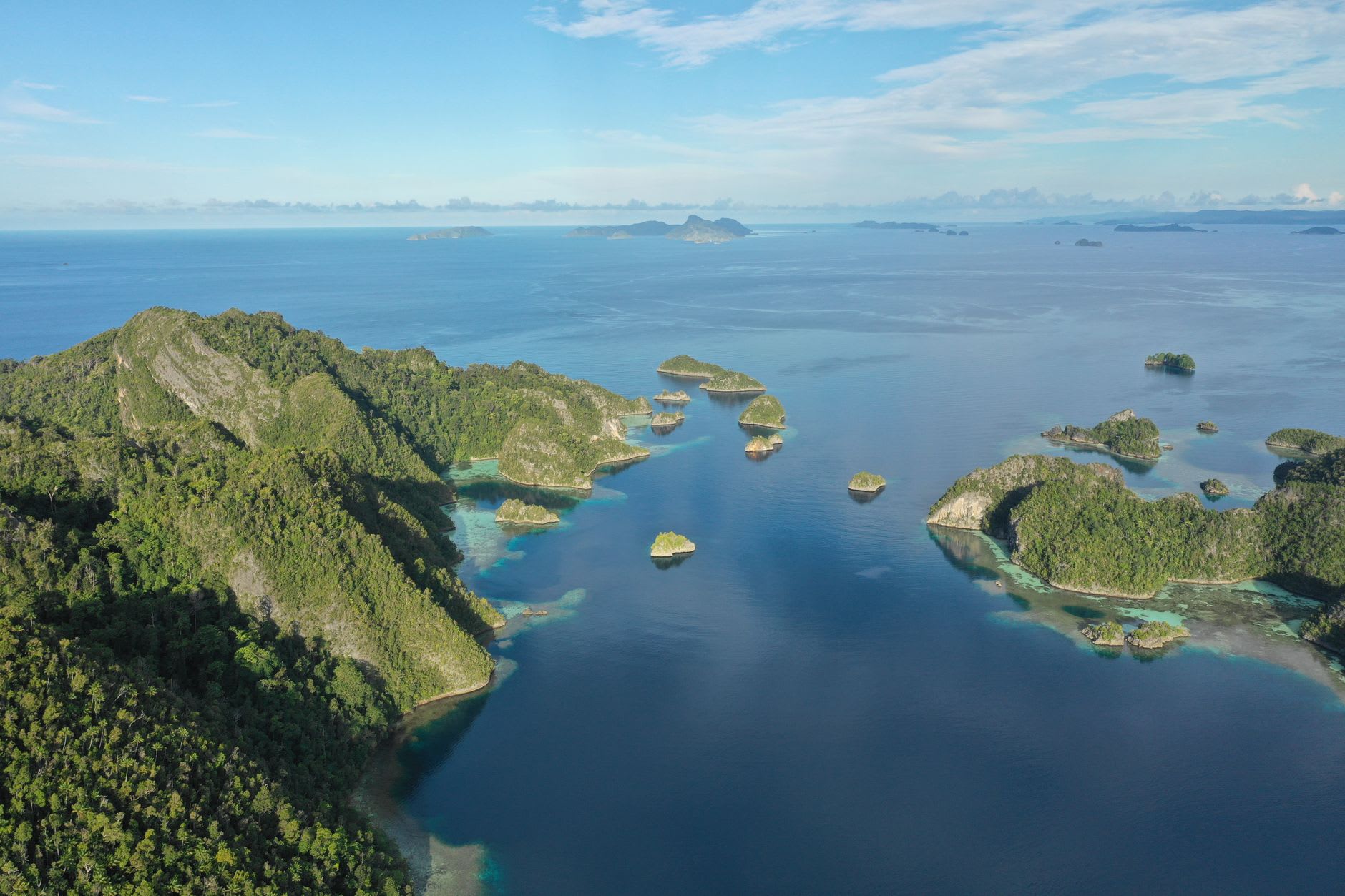
The channel cuts through the western edge of the reef system south of Ulong Island, and the configuration means that tidal flow gets concentrated and accelerated as it passes through. At peak current the flow is strong enough that maintaining depth requires active fin work against the pull — not fighting the current, but steering within it, the way you might steer in a fast river rather than a pool. The coral on the channel walls grows into this flow: enormous sea fans oriented perpendicular to the current to maximize what the water carries to them, encrusting corals building outward in shapes determined by the hydrodynamics of the passage rather than by any symmetrical plan, everything adapted to the constant movement of water.
The fish in the channel are here for the same reason as the coral — the current concentrates nutrients, which concentrates the creatures that eat nutrients, which concentrates the creatures that eat those creatures. The cascade works visibly. Small planktivores hang in the water column. Slightly larger reef fish station behind the structural features to get out of the flow while feeding. Mid-sized predators — snappers, trevally — cruise the edges. And occasionally a grey reef shark drifts through from the open water side, moving with the current in that unhurried, proprietary way they have, and everything else adjusts. I watched one come through slowly while I was hovering against the reef wall and I noticed that the fusilier school above me actually parted around the shark before reassembling downstream of it. The school was reacting before the shark was close enough for the movement to seem necessary. Whatever system they were using to process that information was faster and more distributed than anything I have.
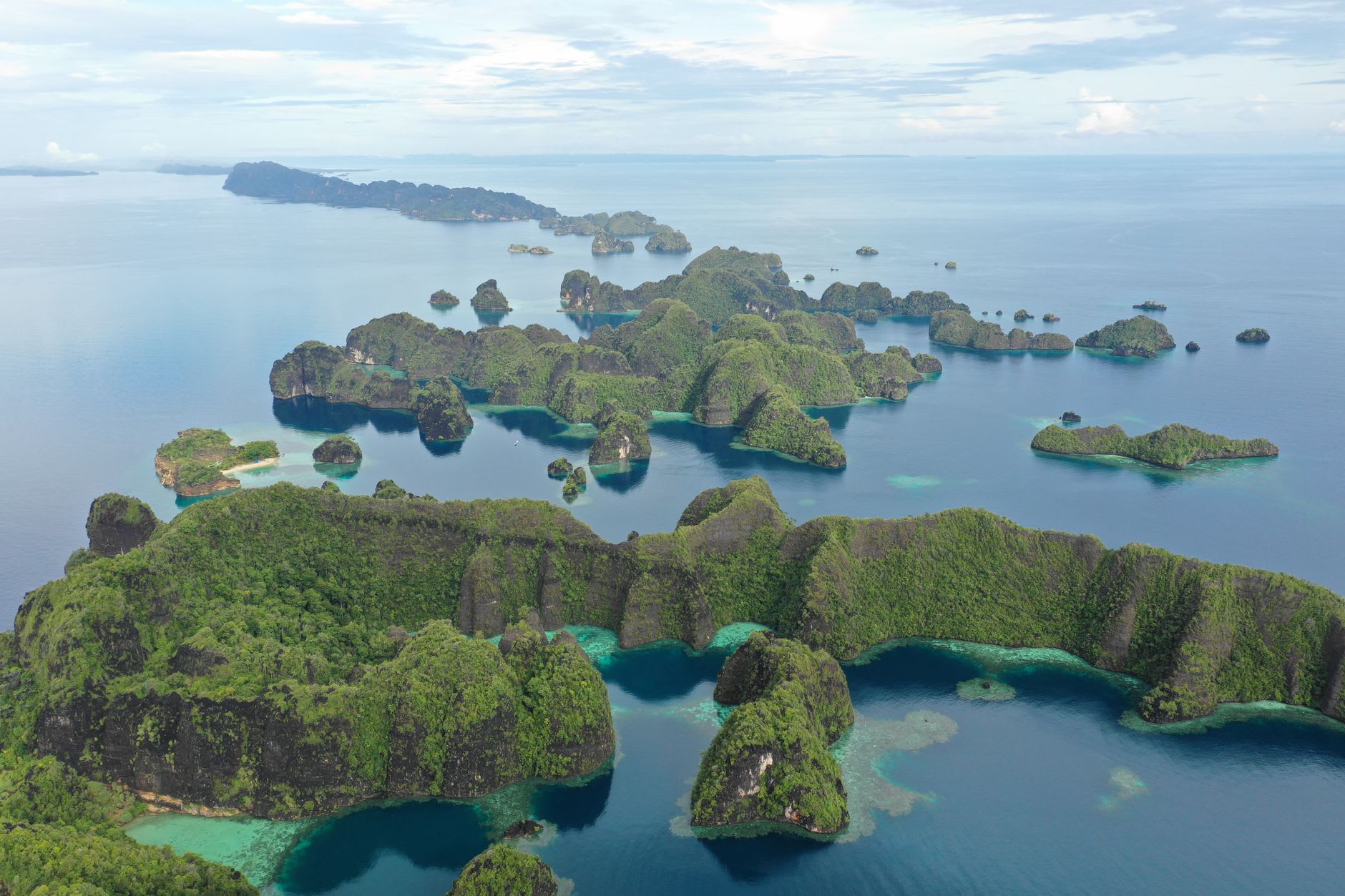
The channel exits into a sandy clearing at the lagoon end, and the decompression stop — hanging in the water column at five meters while the gas absorbs — gives you time to look back at the passage you’ve just come through. The coral walls are dense and colored in a way that reads as improbably verdant — purples and oranges and the particular red of encrusting coralline algae — and from the outside you can see the shape of the channel as a geometry, a cut made by water through limestone over geological time. It looks designed. It isn’t. Which is the thing about geological processes that I keep having to re-learn: they produce forms that look intentional, and the accident of that resemblance keeps catching me off guard.
Ulong Island itself — the long, forested island above the channel — has a beach on its western shore where dive boats anchor for surface intervals, and it’s one of the better places in the Rock Islands to eat a packed lunch while watching the water. The beach faces west and the afternoon light comes in at a low angle across the lagoon, and by two o’clock the whole scene is lit the way a landscape painter would want it.
When to go: Ulong Channel works best on an incoming tide when the current is flowing lagoon-ward through the channel. Operators time dives to hit this window, which means morning dives most days. Dry season visibility (November through April) is excellent at thirty meters or more. The dive is appropriate for Open Water certified divers with some drift experience; current can be strong, but the channel is short enough that the exposure is brief. Often paired with a Blue Corner dive on the same day.