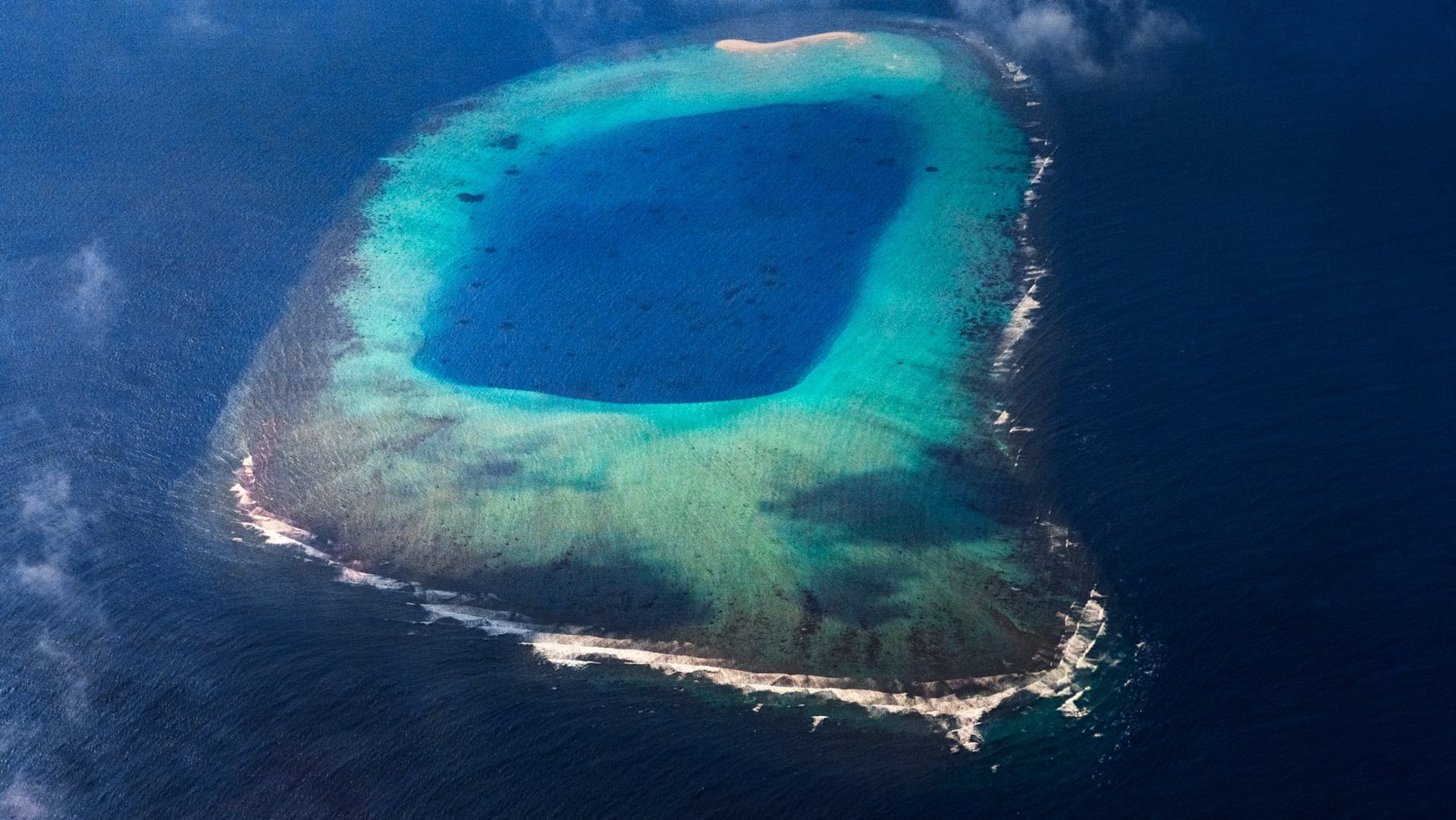
Kayangel Atoll
"Small enough to walk around in an hour. Large enough to feel like the world ends here."
The boat from Koror to Kayangel takes three to four hours depending on sea conditions, and the sea conditions on that run are not always cooperative. The crossing goes north past Babeldaob and then into open ocean, and even on a calm day you feel the swell rolling in from the Philippine Sea. A local fisherman I met on the crossing told me he made the trip every two weeks for supplies. “We have everything we need,” he said. “Except when we don’t.” He found this very funny.
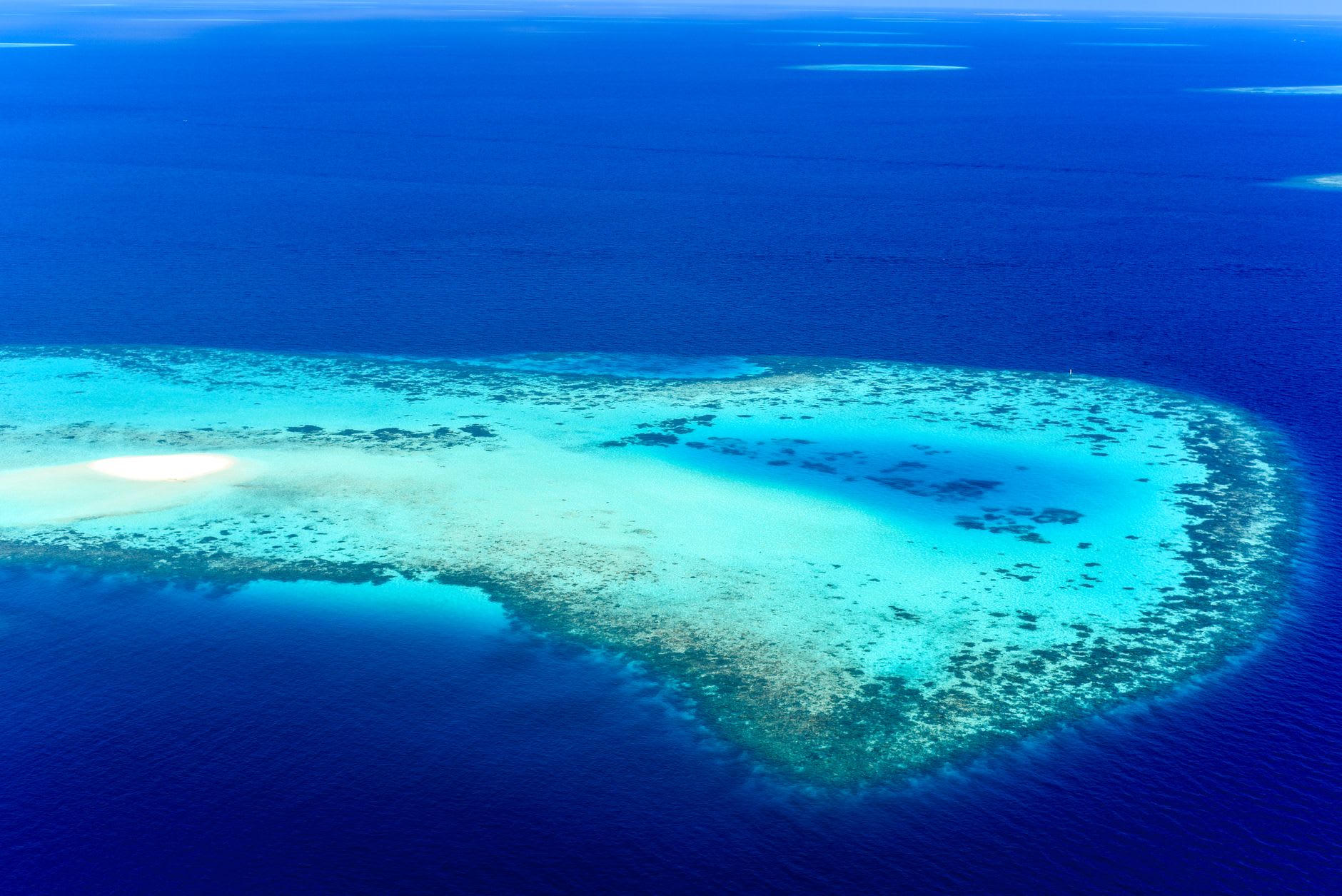
Kayangel is technically an atoll — four islands arranged around a lagoon — but what it feels like from the water is a vanishing act. The islands sit barely a meter above sea level, and at distance you see only a dark line of coconut palms above the horizon, the islands themselves invisible behind the curve of the earth. Then the color of the water changes — from the deep blue of the open ocean to a hysterical, improbable turquoise that reads as almost artificial, like a screensaver or a perfume advertisement — and you know you’re over the lagoon. The reef shows itself as a darker ring beneath the water, and the islands materialize as you get closer, small and flat and absurdly green against all that blue.
The community on Kayangel numbers around fifty people, give or take. They fish, they keep some agriculture, they receive the supply boat when it comes. Tourism infrastructure is minimal — there is basic accommodation and a small dive operator who knows the local reefs intimately — which is to say the place has not been systematized. You eat what there is. You sleep when the generator is running. You adjust to the rhythm rather than the rhythm adjusting to you, which is unusual enough in modern travel to feel significant.
The snorkeling inside the lagoon is extraordinary. The coral inside the atoll has a kind of enclosed perfection — sheltered from the heavy swells of the outer ocean, it has been building for a long time, and the variety of hard coral species in the shallower sections is remarkable. I spent a morning doing slow circuits around a coral garden in about three meters of water — bommies the size of small cars, brain corals, massive staghorn formations — with nobody else in the water and no sound except the creak of the boat on its mooring line fifty meters behind me. The fish density was such that I kept stopping just to let a school of fusiliers pass around me rather than through me. They seemed to have priority.
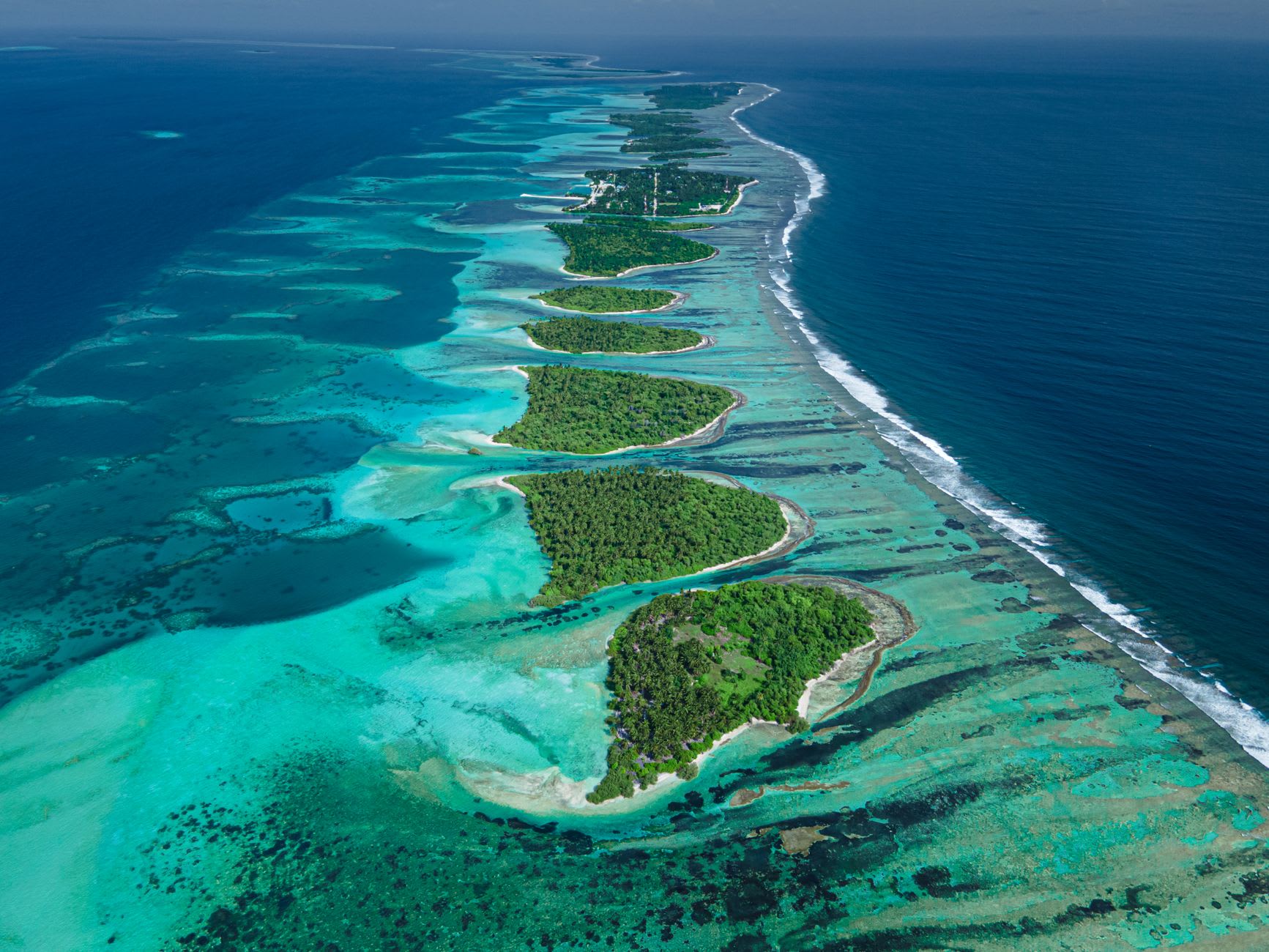
The outer reef wall drops dramatically into deep water, and divers who make the trip report it as one of Palau’s least-dived and most productive sites — the shark and large pelagic fish presence here is high, and the coral on the outer wall has the health you’d expect from a reef that sees almost no boat traffic. The local dive operator, who has been working these waters for years, took me out one afternoon to a site on the northwest corner where the current pushed through a gap in the reef and piled the fish up on the downstream side in a way that looked like a controlled explosion of scales and color. I counted three species of shark in twenty minutes without trying.
Sitting on the beach at Kayangel at dusk, watching the last light go gold over the lagoon, I understood something about the logic of island life that I don’t think you can understand from a resort. The smallness of the place wasn’t a limitation. It was the entire point.
When to go: Kayangel is most accessible during calm-sea periods, which correlate roughly with dry season (November through April). The crossing can be rough in the wet season and is occasionally cancelled. Given the effort required to reach it, plan for at least two nights; one night is not enough to decompress from the journey and actually feel the place. Check current accommodation options with dive operators in Koror before you go — options are limited and can change.