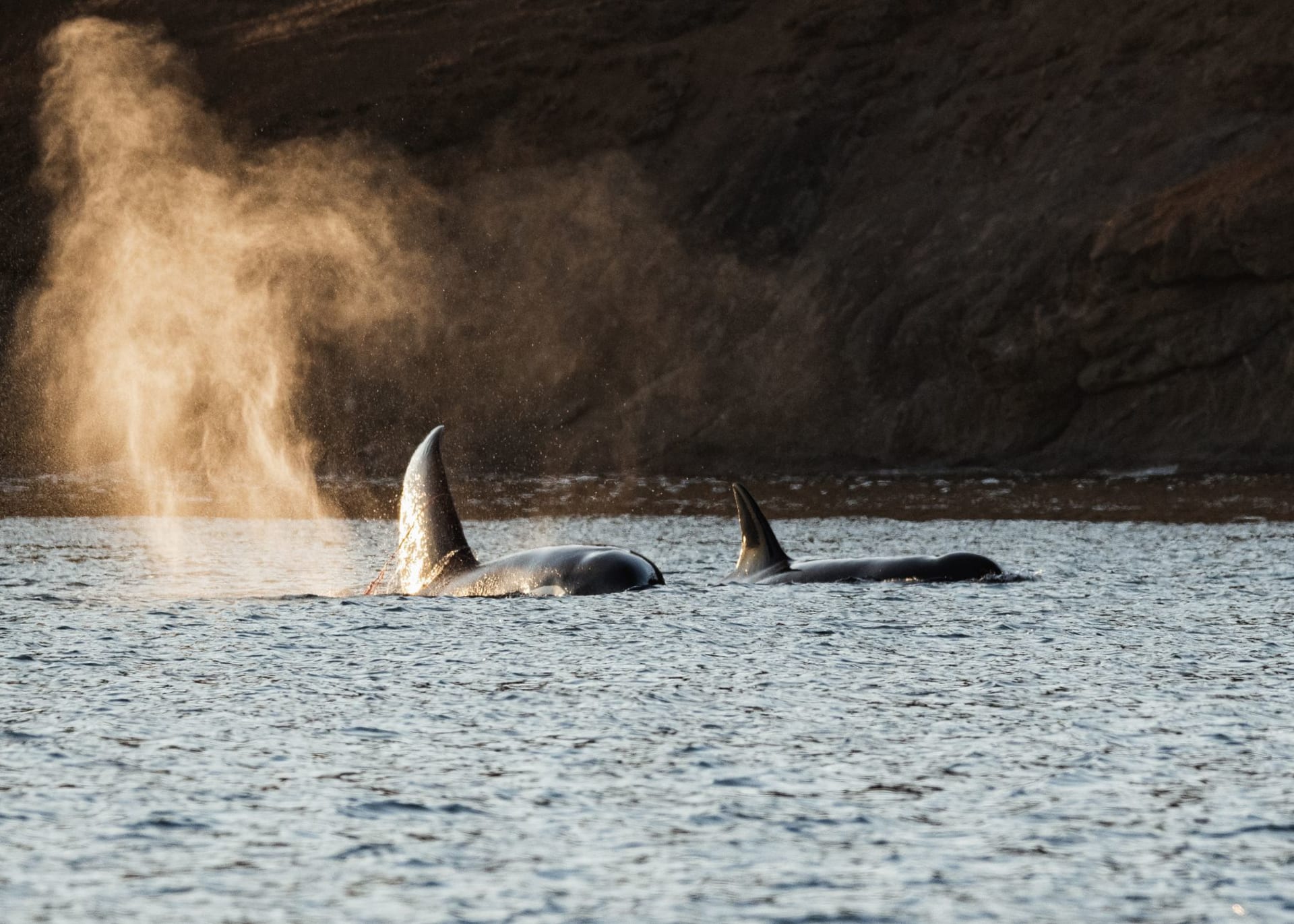
San Juan Islands
"You take the ferry here to slow down, and the islands take care of the rest."
The Washington State ferry from Anacortes to Friday Harbor is one of the finest hour-and-a-quarter boat rides in North America, and I say this having taken it in February in horizontal rain and still found it beautiful. The ferry threads between islands — some large and inhabited, some barely large enough to hold a farmhouse and a dock — and the water of the Salish Sea changes colour depending on the cloud cover and the angle of the light: deep slate blue in winter, a remarkable greenish aquamarine in summer when the sun gets through. I stood on the car deck the whole way, both times, refusing to go inside.
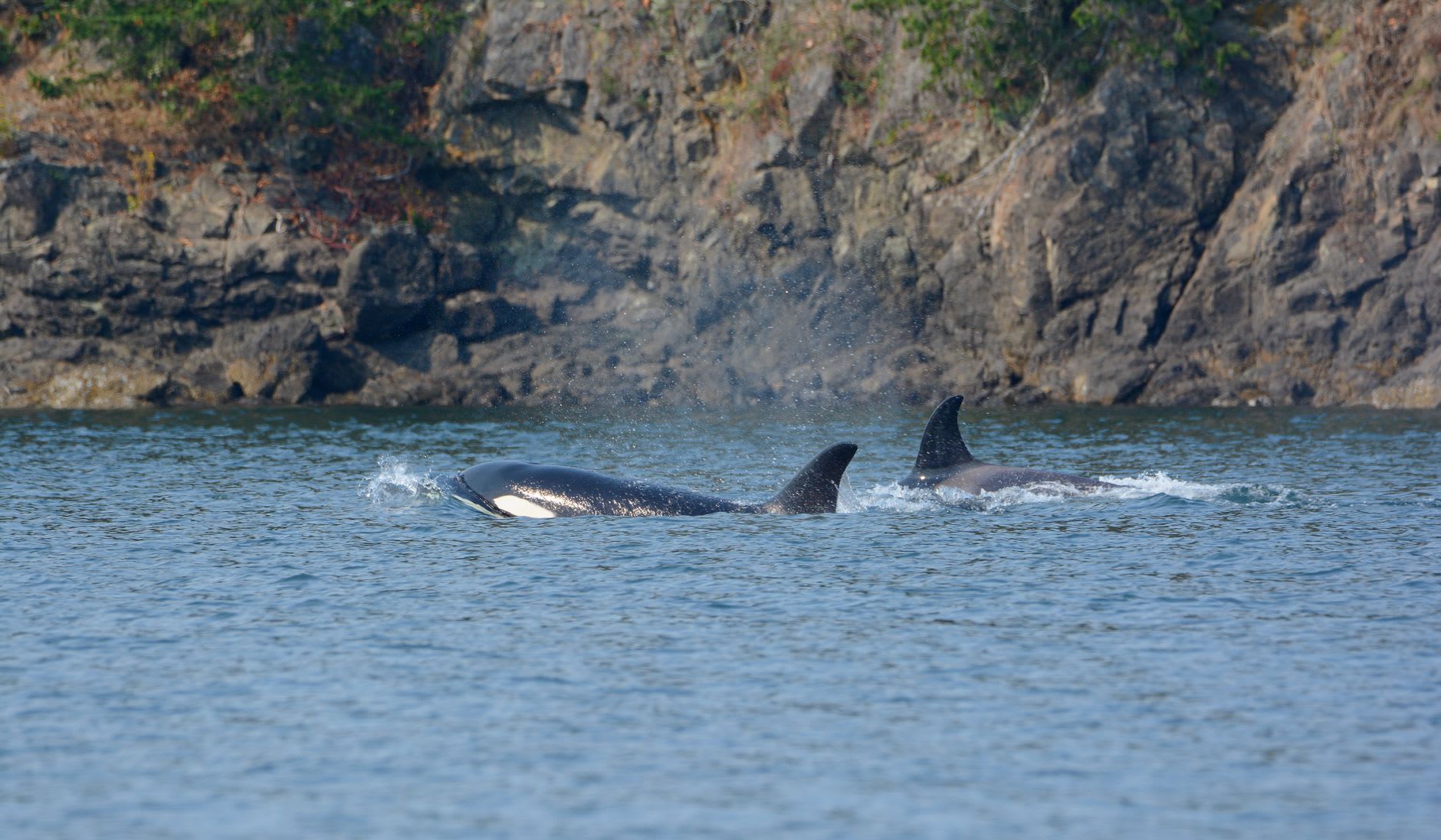
San Juan Island is the largest and the most visited, and Friday Harbor its main town — a small grid of streets around the ferry landing where the restaurants fill up quickly on summer weekends and the pace is set by whoever owns the boat in the harbour. I rented a bicycle the morning after I arrived and cycled west to Lime Kiln Point State Park, which sits on the island’s west shore and is, without exaggeration, one of the best places on the West Coast to watch orcas from land. The southern resident killer whales pass through the San Juan Channel regularly from late spring through fall, following the chinook salmon, and the lighthouse at Lime Kiln is close enough to the water that you can sometimes hear the blow before you see the fin.
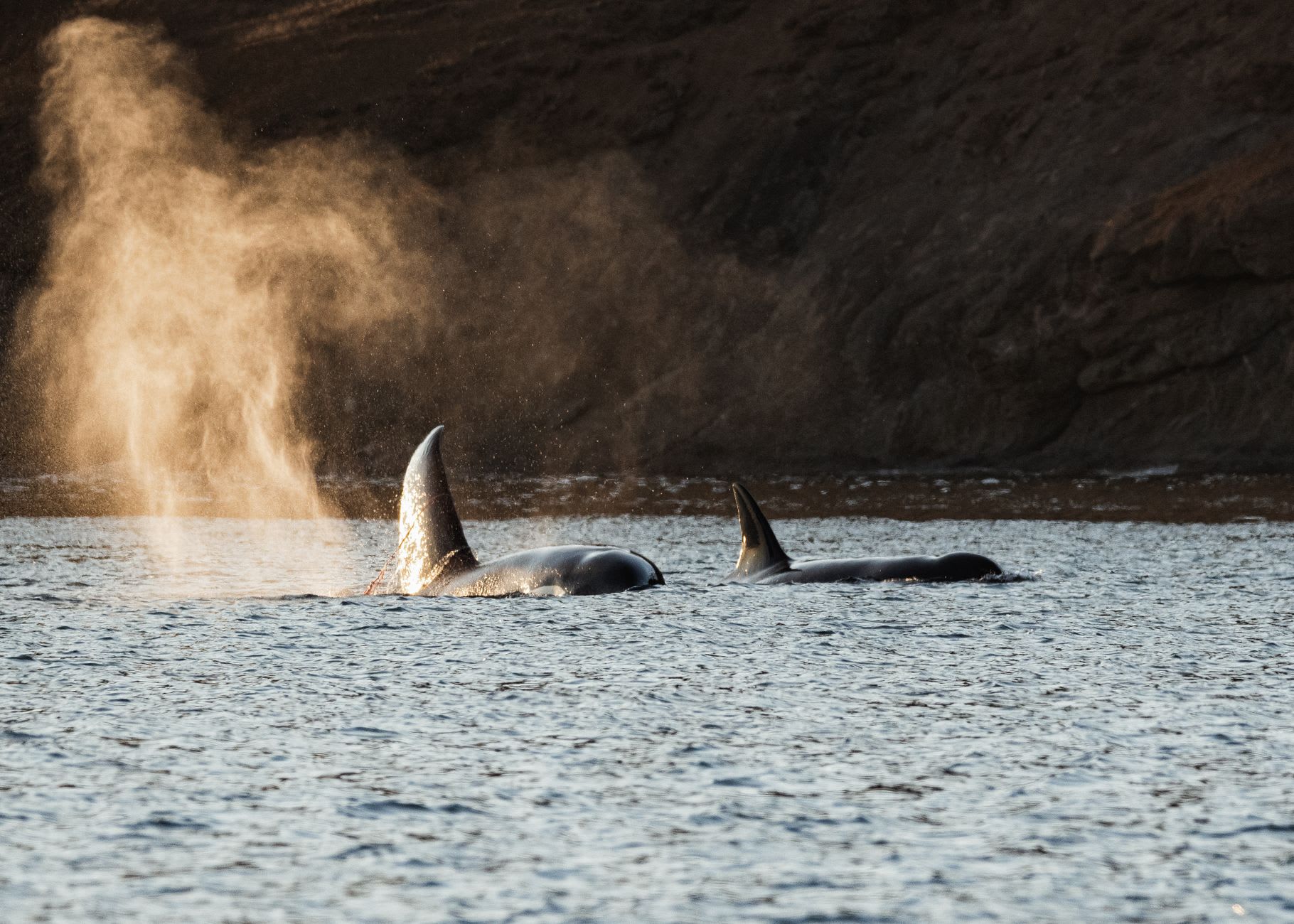
I waited three hours at Lime Kiln on my second visit before a pod appeared. The experience does not fit neatly into language. The animals are very large and very fast and utterly unbothered by human attention. They passed within perhaps 80 metres of the shore. A researcher nearby with a hydrophone let me borrow an earpiece for thirty seconds and I heard the echolocation clicks and the social calls — a complex, layered conversation that made the silence after she took the earpiece back feel heavier than it had before.
The smaller islands — Orcas, Lopez, and Shaw accessible by the same ferry — have different personalities and the same fundamental unhurriedness. Orcas is the hilliest and wildest, with Moran State Park at its centre, a lake-studded forested preserve where the summit of Mount Constitution gives a 360-degree view of the archipelago and, on the clearest days, the entire Cascade Range. Lopez is the flattest and the cyclists’ island — a pastoral oval of farms and tide flats and very little traffic on roads that seem to have been designed for exactly the activity of cycling nowhere in particular.
The food in the islands tracks the water. Every restaurant has its own version of the Dungeness crab roll, and on Friday Harbor’s waterfront I ate one sitting on a dock piling, watching the ferry load for its return to Anacortes, and thought that there are worse ways to spend an afternoon in a country that often makes the best things feel complicated.
When to go: Late May through September for orca sightings, long days, and the seasonal restaurants at full operation. The ferry runs year-round, and the islands in winter — grey, quiet, slightly melancholy — have an appeal that is entirely their own. April and early May bring migrating birds through the archipelago in numbers that ornithologists come from considerable distances to see.