Americas
Pacific Northwest
"I came for a weekend and started pricing apartments by Thursday."
A corner of North America where ancient rainforests press against volcanic peaks, the ferry routes feel more Scandinavian than American, and the rain is not a problem — it is the whole point.

I landed in Seattle on a Tuesday in November, which is the only honest way to experience the Pacific Northwest for the first time. Grey ceiling down to the rooftops, the ferry terminals smelling of salt and diesel, a line of Douglas firs visible through the mist along the Edmonds waterfront like a wall the city had decided not to cross. Within two hours of landing I was eating oysters at Pike Place — small, cold, briny in the way that Atlantic oysters never quite manage — and watching a fish fly over my head while the vendor caught it with the casual grace of someone who has performed this exact gesture ten thousand times. I thought: I understand why people never leave.
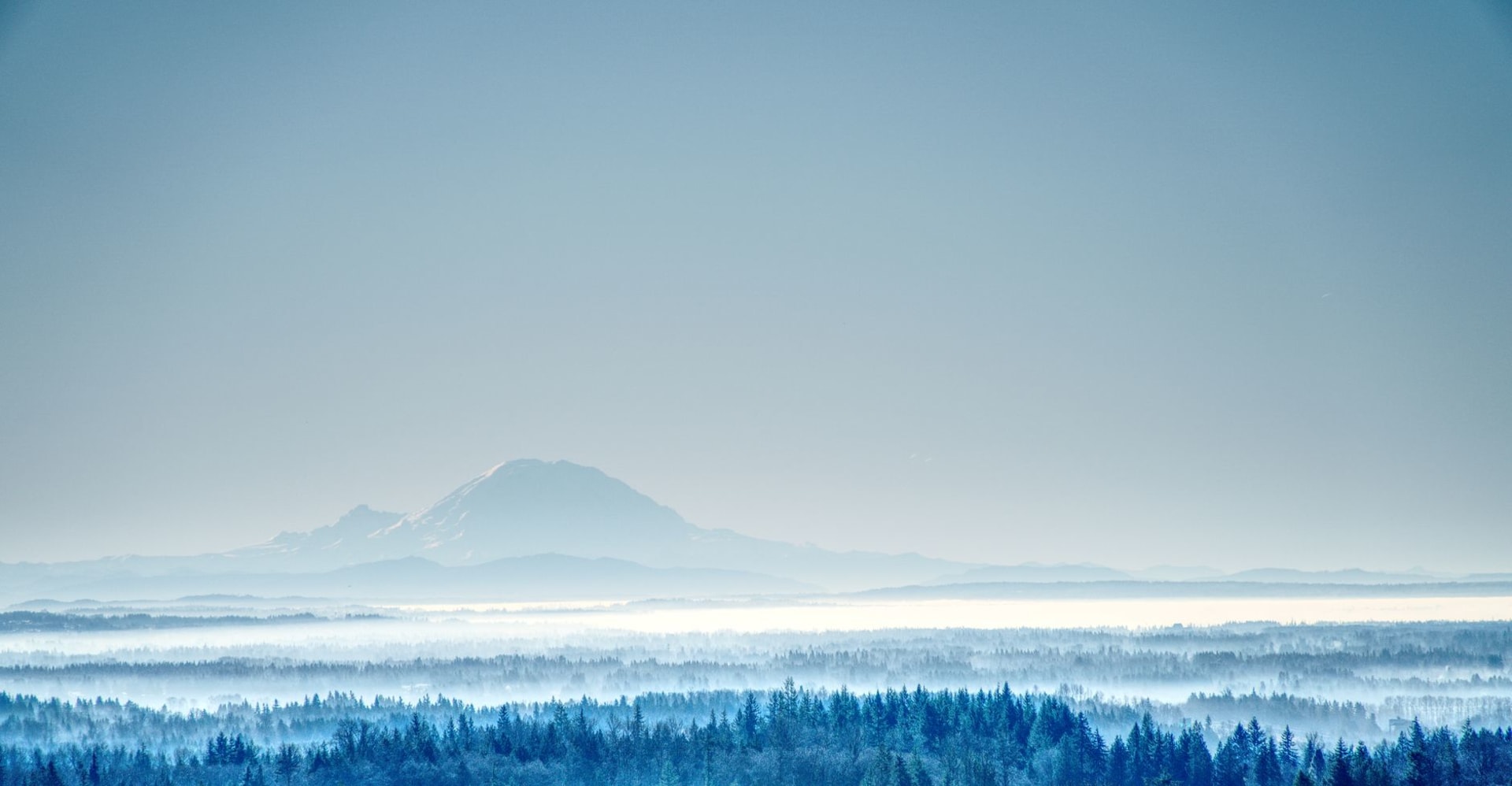
The defining quality of this region is not the mountains, though the mountains are extraordinary. It is the compression. Stand on the waterfront in Seattle and you can see the Olympic Peninsula across the sound — a wilderness so wet it functions as a temperate rainforest, with sitka spruce growing to heights that should not be legal, and the Hoh River valley carpeted in moss of a green so saturated it registers as artificial. Drive two hours east and the Cascades open into a dry, ponderosa-scented rain shadow, the kind of high desert that has nothing in common with the coast except the same state border. Mount Rainier presides over all of it from 4,392 metres, appearing between clouds on clear mornings like a correction to whatever idea you had about scale. The first time I saw it from the highway I pulled over. Some mountains demand it.
Portland is the softer version of the same sensibility — more walkable, less caffeinated, with a food culture that punches above its population size. The oysters follow you south, joined by dungeness crab and Willamette Valley pinot noir that has no business being this good from somewhere this far north. The coast from Cannon Beach to the Oregon Dunes is half-wild in a way that California’s coast stopped being decades ago. I once drove Highway 101 south in early October through twenty miles of sea fog with a podcast I stopped hearing because the road itself kept interrupting.
When to go: Late June through September for the rare Pacific Northwest sun — the kind that arrives with such relief that locals abandon all indoor activities simultaneously. July and August give you long days for hiking, dry trails in the mountains, and the farmers’ markets at full volume. October is underrated: the crowds drain away, the maples turn in the Cascades, and the rain returns gently enough to feel earned rather than punishing.
What most guides get wrong: They treat the weather as an obstacle rather than an atmosphere. The grey is not a failure of the region — it is the condition that makes the green that vivid, the coffee culture that serious, and the moments of clear weather feel like gifts rather than givens. The Pacific Northwest in November rain, walking the Burke-Gilman Trail with a proper jacket and nowhere particular to be, is better than many destinations at their best.
Explore
Places in Pacific Northwest
 pacific-northwest
 Astoria
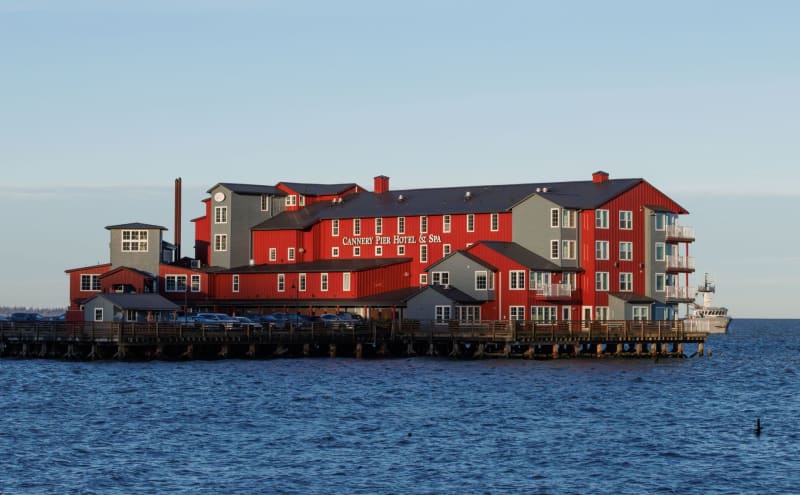
The oldest American city west of the Rockies sits at the Columbia's mouth, slightly forgotten, completely itself, and better for both.
Explore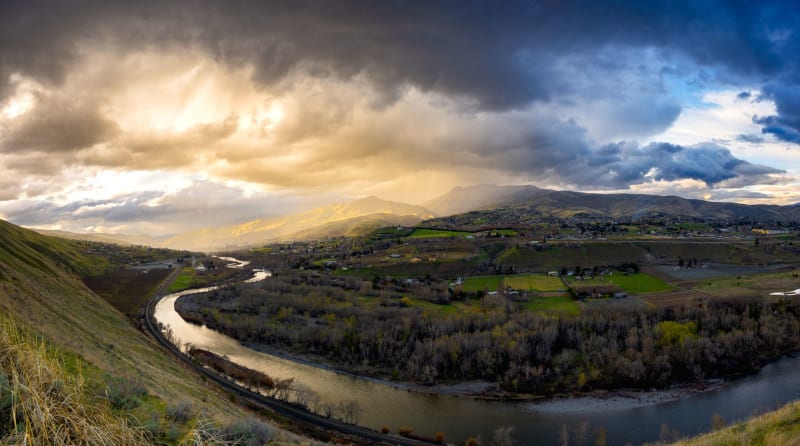 pacific-northwest
 Bend
A high-desert town on the dry side of the Cascades where volcanic geology, craft beer, and river rapids arrive in the same afternoon.
Explore pacific-northwest
 Cannon Beach
An Oregon coast town where a volcanic monolith rises from the surf and the sea fog arrives like a visiting dignitary.
Explore pacific-northwest
 Columbia River Gorge
A 130-kilometre canyon where the Columbia cuts through the Cascades, dragging waterfalls and windsurfers in its wake.
Explore pacific-northwest
 Crater Lake
The deepest lake in the United States, filling a volcanic caldera in southern Oregon with water so blue it looks digitally corrected.
Explore pacific-northwest
 Forks
A soggy logging town on the Olympic Peninsula's wet western edge, famous now for a vampire novel it never asked to be famous for.
Explore pacific-northwest
 Hood River
A Columbia River Gorge town where the wind funnels hard enough to launch windsurfers, ringed by an orchard loop thick with cider and cherries.
Explore pacific-northwest
 Leavenworth
A faux-Bavarian village stitched into the Cascades foothills, where alphorns, brats, and real alpine hiking somehow don't feel like a theme park.
Explore pacific-northwest
 Mount Rainier
An active stratovolcano so large it generates its own weather, visible from Seattle and impossible to ignore from anywhere else.
Explore pacific-northwest
 Mount St. Helens
The volcano that blew its own top off in 1980, leaving a gaping crater and a blast zone that is, four decades on, a living laboratory of how a landscape comes back.
Explore pacific-northwest
 North Cascades
Washington's least-visited national park hides a labyrinth of glaciated peaks so complex cartographers needed decades to map them.
Explore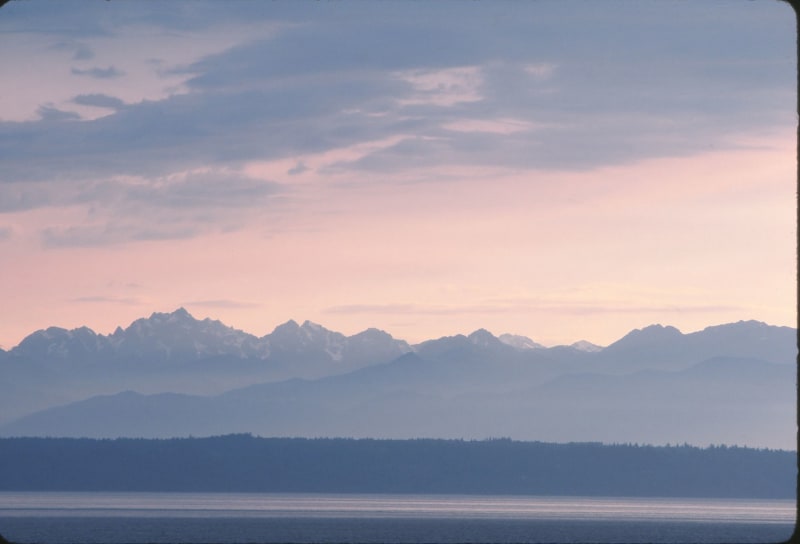 pacific-northwest
 Olympic Peninsula
North America's only temperate rainforest, where moss carpets everything and the rain is not weather but identity.
Explore pacific-northwest
 Portland
Seattle's quieter, stranger neighbour — a city that committed to weirdness before it was a marketing slogan and never quite recovered.
Explore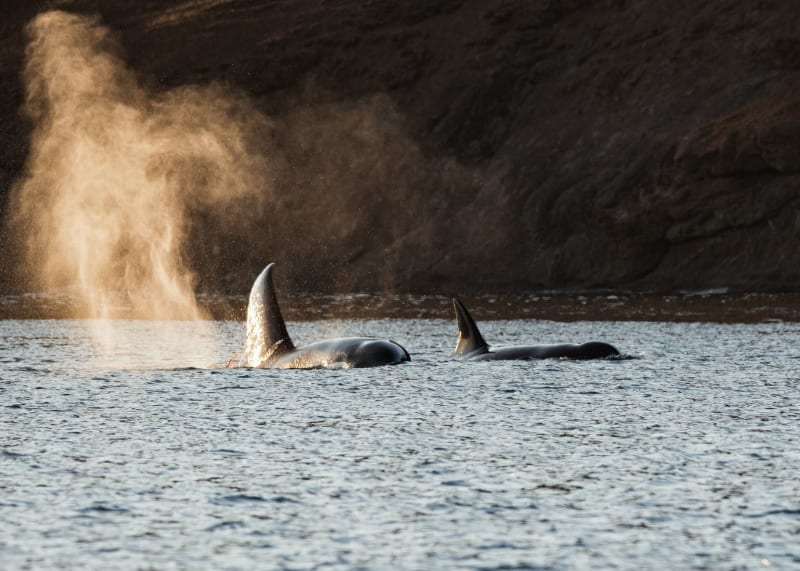 pacific-northwest
 San Juan Islands
A Washington archipelago where orcas surface between ferry routes and the pace drops to something close to Scandinavian.
Explore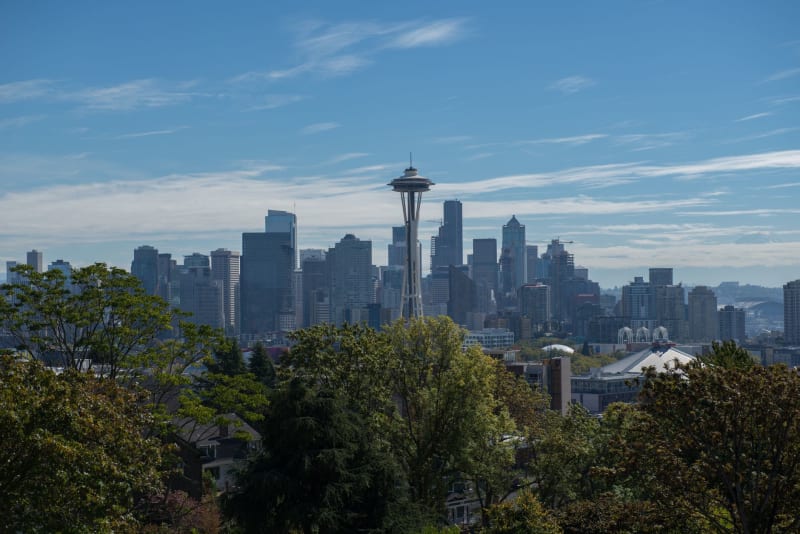 pacific-northwest
 Seattle
A port city that smells of salt, espresso, and Douglas fir — where the mountains appear between skyscrapers like a dare.
Explore pacific-northwest
 Tacoma
A Puget Sound port city that traded its smokestack reputation for a glass-art museum and a revitalized waterfront I liked more than I expected.
Explore