A wind-hammered cape halfway down Oman's central coast, where the desert meets the Arabian Sea in dead-straight cliffs and total silence.
Between Masirah Island and Duqm, on a stretch of coast that barely appears on standard maps, the land simply ends — a wall of pale cliffs dropping straight into deep water at a headland called Ras Madrakah. We’d heard about it from a Muscat-based surfer who talked about it the way people talk about a secret they’re only half-willing to share, and after a day of driving through nothing, we understood the hesitation.
Getting There Is Half the Point
The turnoff from the main coastal highway leads down a graded track for the better part of an hour, through terrain so flat and featureless that the cape itself seems to appear out of nowhere — first a smudge on the horizon, then a wall of rock rising directly out of the sea with no beach, no transition, nothing softening the geometry of it. We camped a short distance back from the cliff edge, and the wind that gives the cape its reputation among surfers and kitesurfers didn’t let up once through the night.
A Coast for Waves, Not Crowds
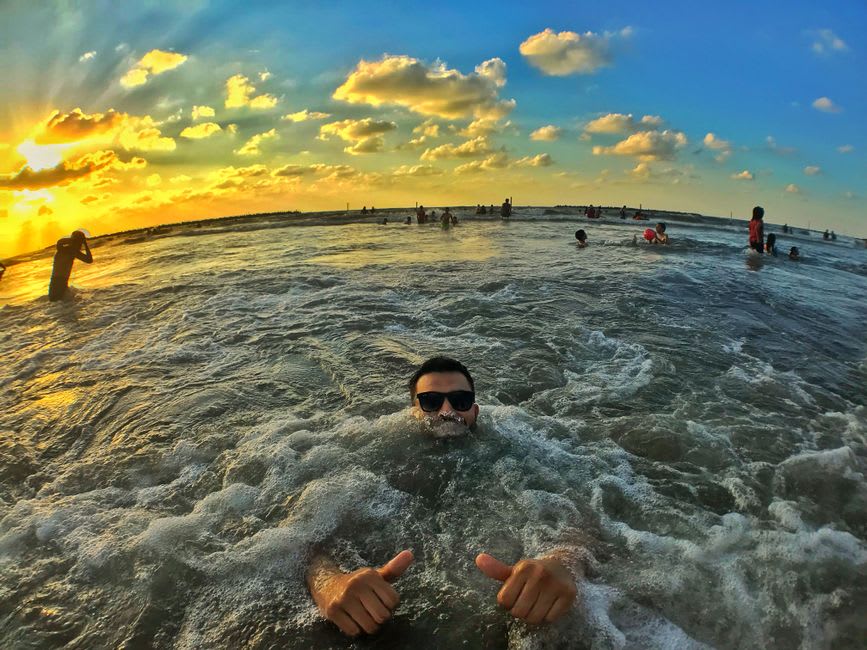
Ras Madrakah has quietly built a small reputation among Oman’s surfing community for a reliable point break that catches swell from deep water with almost no interference. We’re not surfers, but we watched two vans of them work a break below the cliffs for most of a morning, trading waves in total isolation, the nearest town an hour’s drive away in either direction.
The Silence That Follows You
What stayed with me longest wasn’t the surf or the cliffs but the quiet — no traffic, no generators, no other camps in sight, just wind and the distant, steady percussion of swell against rock. Lia said it was the first time in Oman she’d genuinely lost track of what day it was, which from her is close to the highest compliment a place can get.
When to go: November through March for manageable temperatures and the most consistent surf swell. Bring everything you need — fuel, water, and a proper tent, since there is nothing at the cape itself.
Keep exploring
More from Oman
 oman
oman Riyam Park
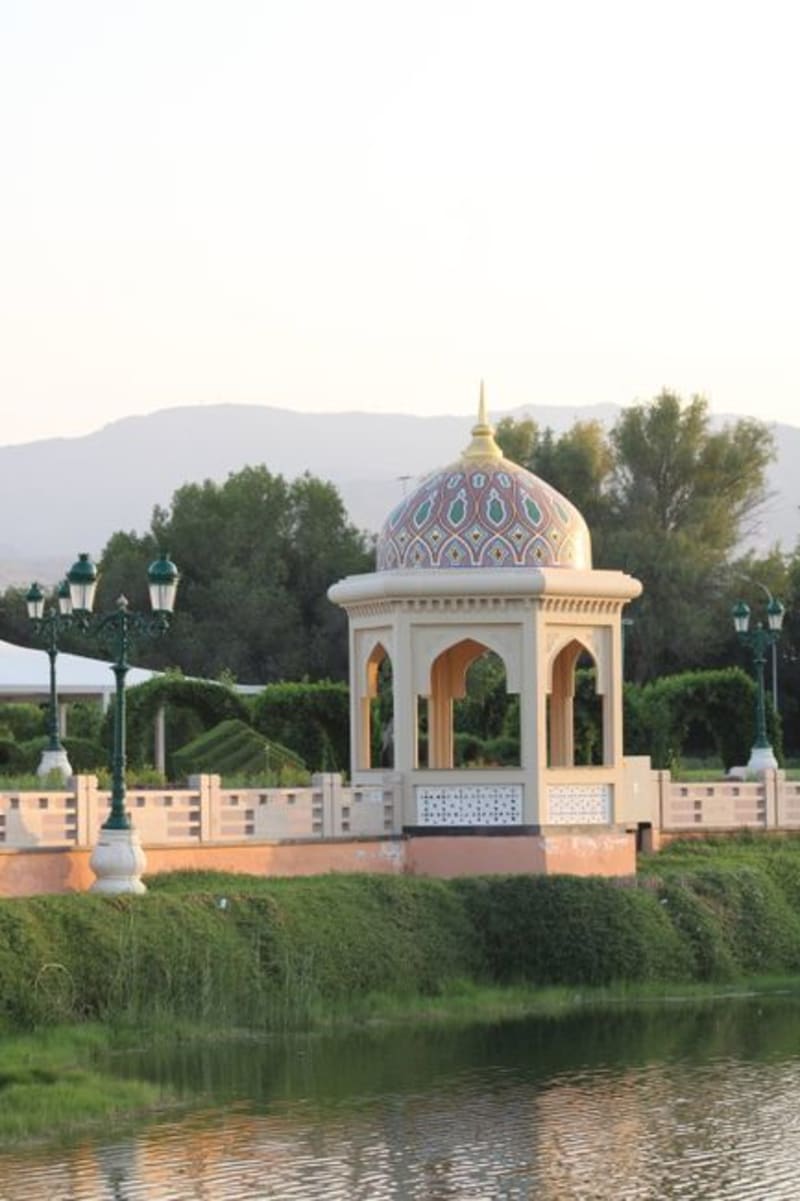
A hilltop park crowned by a giant incense burner monument, with the best free view of Muttrah harbour in the city.
Explore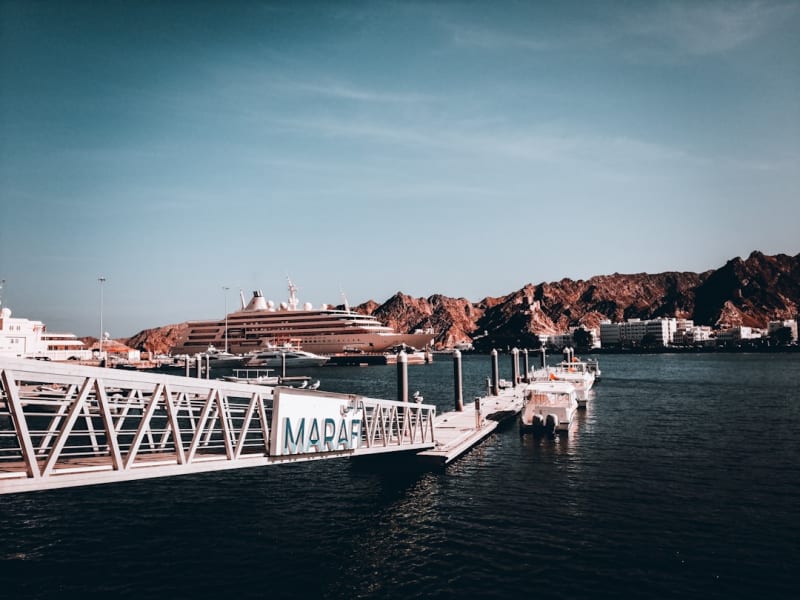 oman
oman Royal Opera House Muscat
Sultan Qaboos's marble monument to music, where Omani craftsmanship meets an international opera season.
Explore oman
oman Rustaq Fort
A former Ya'arubi capital's fortress with a working blacksmith inside its walls, and hot mineral springs bubbling out of the ground a short walk away.
Explore oman
oman Sadah
A working fishing port on the far Dhofar coast, and the last real outpost before the open water crossing to the Hallaniyat Islands.
Explore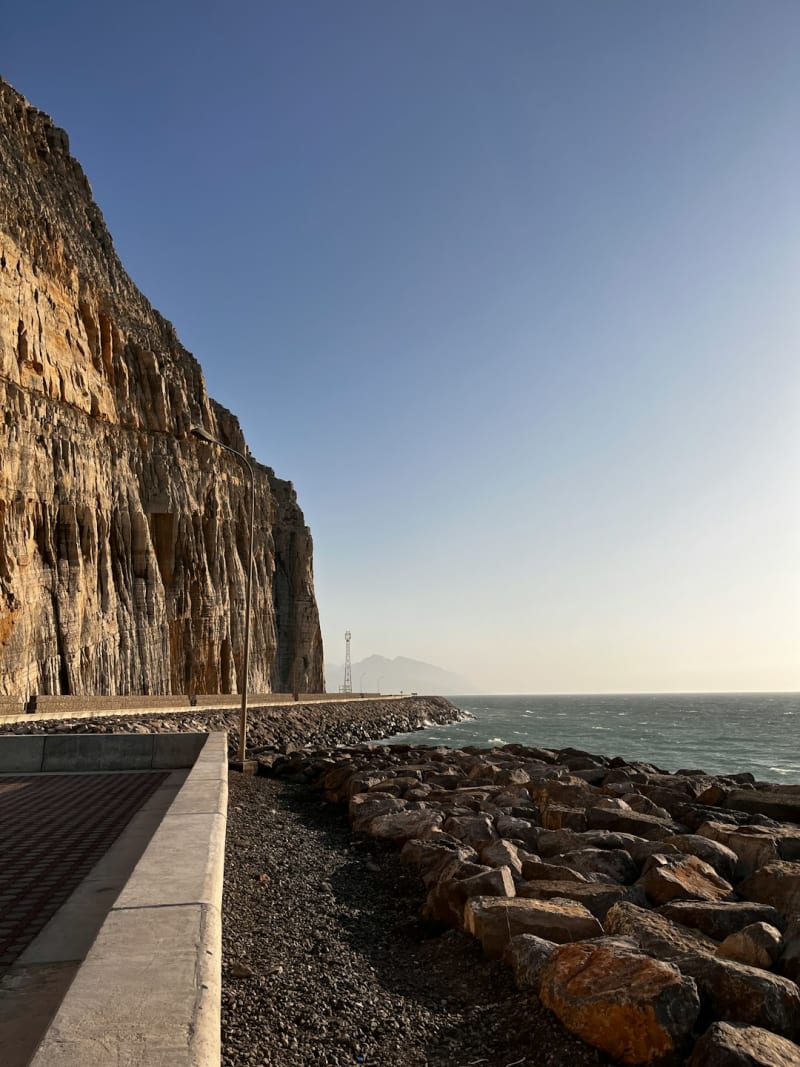 oman
oman Saham
A working Batinah fishing town with a seaside fort ruin and one of the coast's largest fish auctions, running with zero concessions to tourism.
Explore oman
oman Salalah
The city that turns tropical during the khareef — green hills, thundering waterfalls, and ancient frankincense routes.
Explore