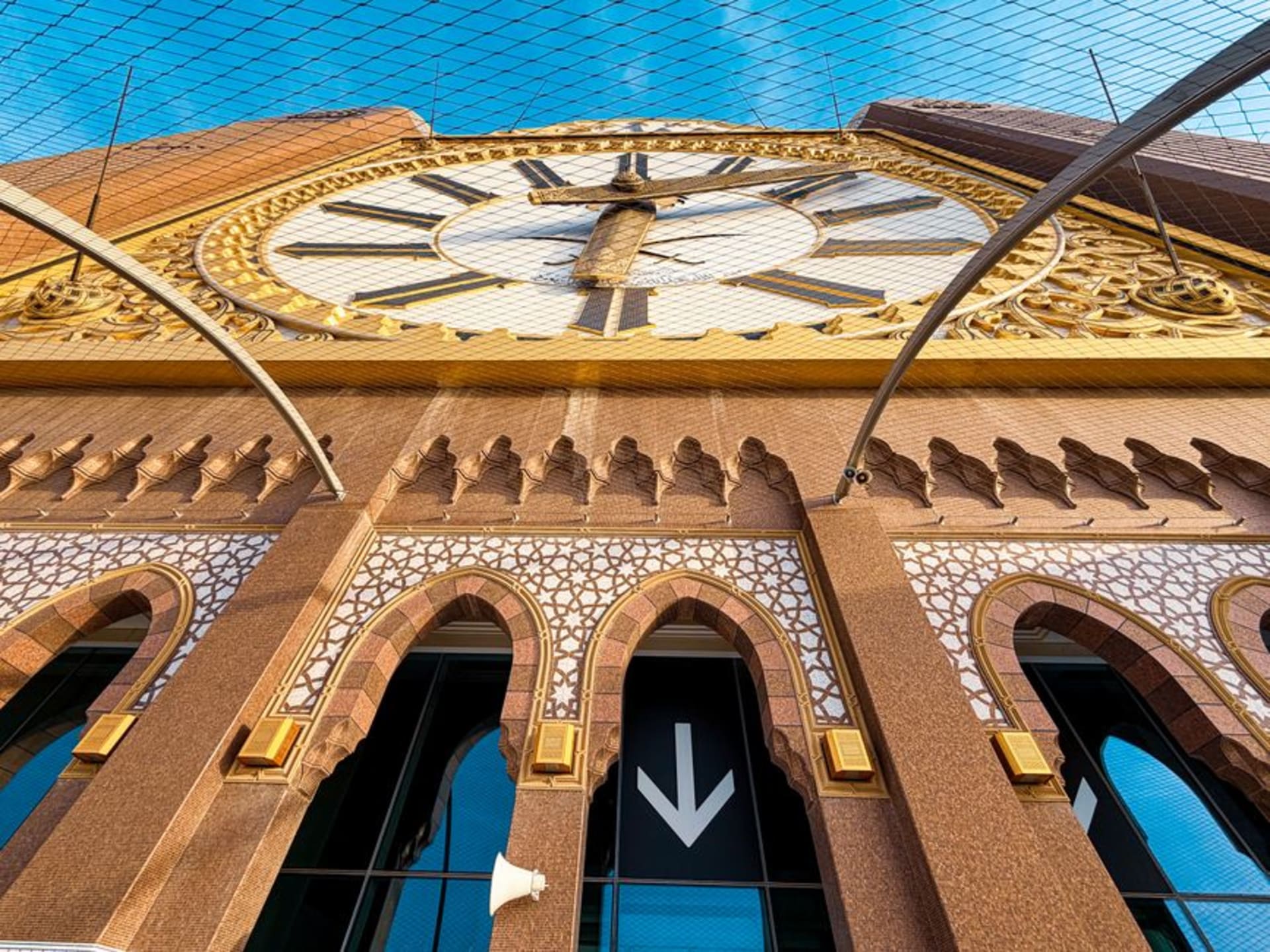
A private family collection turned museum, the best crash course in Omani history and craft you'll get in a single afternoon.
I went to the Bait Al Zubair Museum expecting a minor stop between bigger sights, the kind of place you tick off in under half an hour. Two hours later, Lia had to physically pull me out so we wouldn’t miss lunch reservations. It’s easily the most underrated museum I found in Muscat.
A Family’s Collection, Made Public
The museum grew out of the private collection of the Al Zubair family, one of Oman’s prominent merchant families, and it shows — this isn’t a sterile state institution but something closer to a very well-organized attic of national memory. Silver khanjars, antique rifles, hand-embroidered dishdashas, and old currency sit alongside photographs of Muscat from before the oil boom, when the city was still mostly mudbrick and fishing boats.
The Model of Old Muscat
The single best thing in the museum is a scale model of Muscat as it looked decades ago — walled, compact, hugging the harbour, with almost none of the sprawl that defines the city now. I spent a genuinely embarrassing amount of time hunting for the spots I’d already visited, trying to spot where the souq and the palace plaza sat inside this much smaller, much older version of the place.
The Garden Courtyard
Between galleries, the museum opens onto a small courtyard garden with a traditional falaj irrigation channel running through it — a working demonstration of the water system that still supplies much of rural Oman. It’s a quiet, shaded spot to sit for ten minutes, and after the intensity of the galleries I was grateful for the pause.
When to go: Any morning, Saturday through Thursday — the museum is indoors and air-conditioned, making it a smart midday option when the heat outside gets punishing.