Al Baleed and the Frankincense Land Museum
"A city that shipped scent across three continents and then vanished into a sandbank."
The ruins of a medieval trading port and a museum that explains, finally, why frankincense was ever worth fighting over.
I went to Al Baleed expecting a fairly dry archaeological stop — a UNESCO plaque, some low stone walls, twenty minutes and out. I left almost three hours later, having rearranged most of what I thought I knew about the ancient incense trade. The site sits right on the Salalah lagoon, a short walk from the beach, and what remains of the medieval port city of Zafar spreads out across a wide grassy plain: foundations of a Friday mosque, a fortified citadel, and the low outlines of what was once one of the wealthiest trading cities on the Arabian Sea.
Walking Through a City That Traded With Everyone
The excavated ruins are more evocative than I expected from foundation stones alone — you can trace the layout of the old mosque’s hundred-plus columns, walk the line of the seaward wall, and stand where merchant ships from China, India, and East Africa once anchored to load frankincense bound for Rome, Cairo, and Constantinople. Information panels in Arabic and English explain how Zafar functioned as a genuine cosmopolitan hub for nearly five centuries before falling into decline and eventually being swallowed by sand. There’s a stillness to it in the early morning, birds working the lagoon reeds behind the ruins, that makes the scale of what used to be here easier to feel than to read about.
The Museum That Ties It All Together
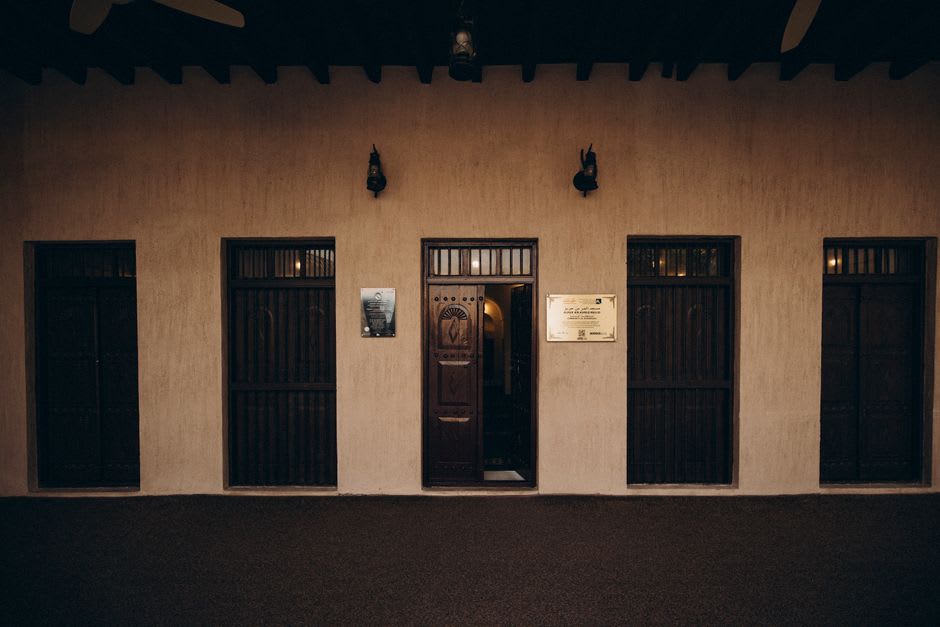
The Frankincense Land Museum sits at the edge of the site, and it’s the best fifteen rials I spent in Dhofar. One wing covers Oman’s maritime history — models of the ships that once carried frankincense, cotton, and dates across the Indian Ocean — and the other is devoted entirely to the resin itself: how it’s harvested from Boswellia sacra trees, graded by color and purity, and why the pale, translucent “hojari” variety from Dhofar’s mountains commanded prices that funded entire kingdoms. I’d been buying frankincense in souqs for weeks without understanding the grading system, and left the museum finally able to tell a decent grade from an average one.
Lia, who has a much higher tolerance for museum text panels than I do, spent an extra half hour in the trade-routes room while I sat outside near the reconstructed dhow, watching lagoon herons and trying to picture the harbor as it must have looked at its peak — masts everywhere, sacks of resin being carried down to the water, a smell of smoke and salt that this quiet grass field has entirely forgotten.
When to go: Year-round — the museum is air-conditioned and the ruins are outdoors but exposed enough that early morning or late afternoon works best, especially outside the khareef when Salalah’s heat picks up. It pairs naturally with a lagoon walk at sunset.