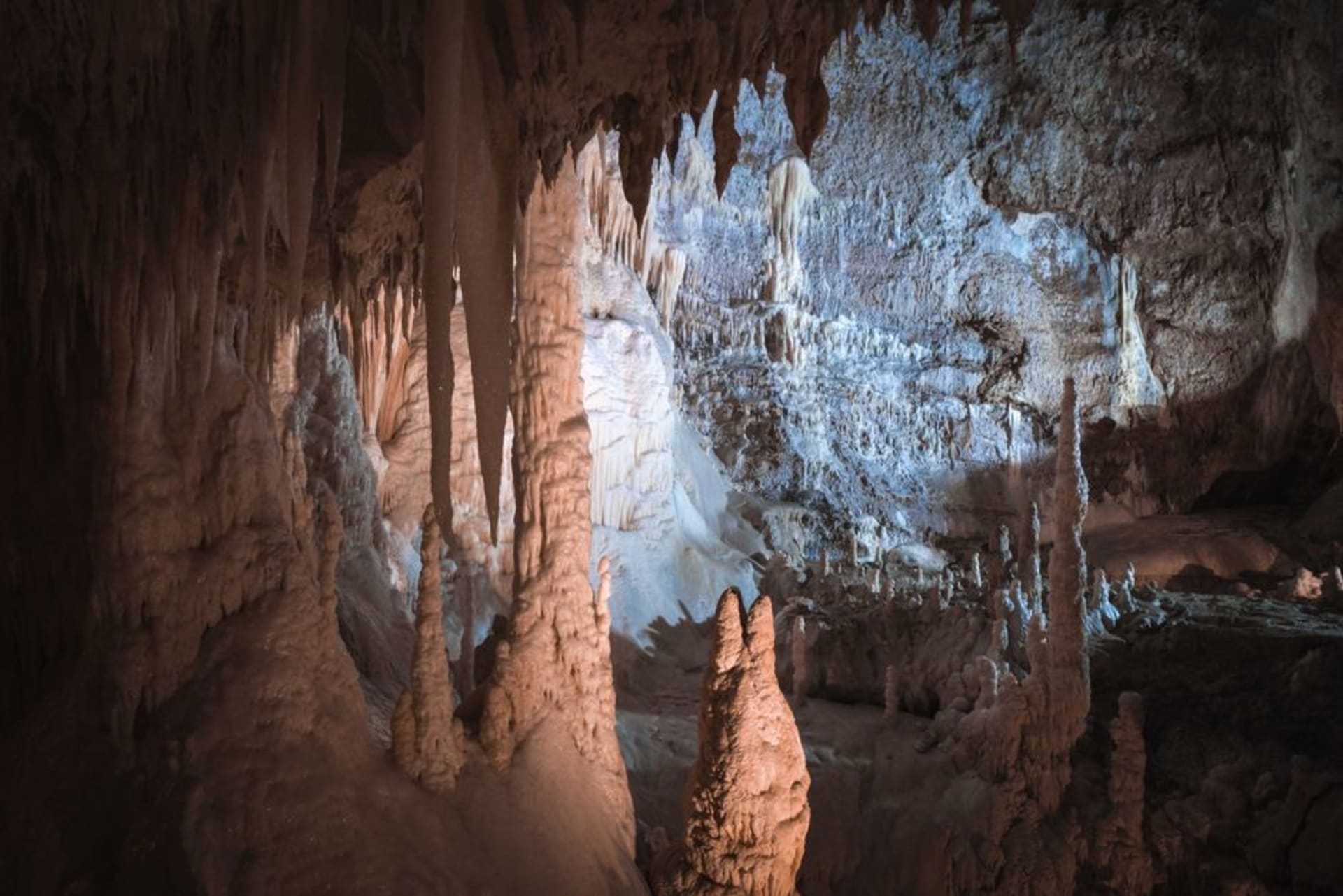
Cutta Cutta Caves
"The guide switched off every light for thirty seconds, and the darkness inside that cave had a weight I've never felt anywhere else."
A limestone cave system south of Katherine, home to rare ghost bats and ringed by tropical dry-monsoon rainforest hidden inside the sinkholes.
Cutta Cutta Caves sit about 27 kilometres south of Katherine, a limestone system formed over 500,000 years that most people driving the Stuart Highway toward Katherine Gorge speed straight past without knowing it’s there. I only found it because a hostel receptionist in Katherine mentioned it almost as an afterthought, and it ended up being one of the strangest, most physically striking hours I spent in the Top End.
The guided tour — the only way in, since the caves are gated and access is controlled to protect the bat colonies — descends through a narrow entrance into chambers hung with limestone formations still actively forming, dripping slowly enough that a single stalactite can take centuries to grow a few centimetres. The guide pointed out fossilised remains embedded in the walls and explained the cave’s role as one of the only known habitats for the orange horseshoe bat and the rare ghost bat, a carnivorous species that actually hunts other bats and small vertebrates inside the cave system, which is a detail I have not stopped repeating to people since.
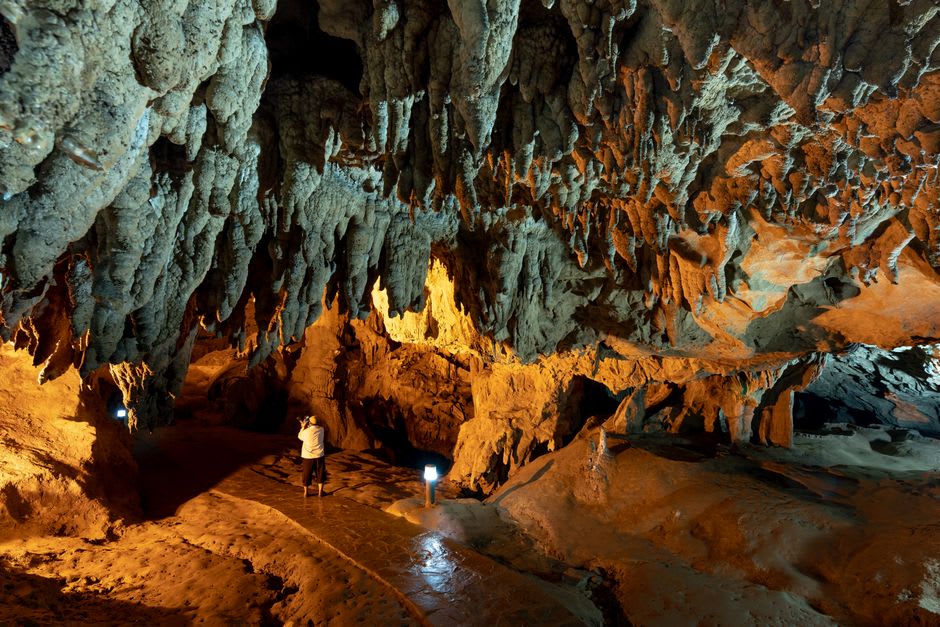
At the halfway point the guide had everyone stand still and switched off every light for about thirty seconds. Cave darkness turns out to be a genuinely different category of dark from anything above ground — no residual light source anywhere, no shapes resolving as your eyes adjust, just an absolute black that made the cave feel briefly enormous and then, unsettlingly, quite small. Someone near me laughed nervously. Nobody else made a sound.
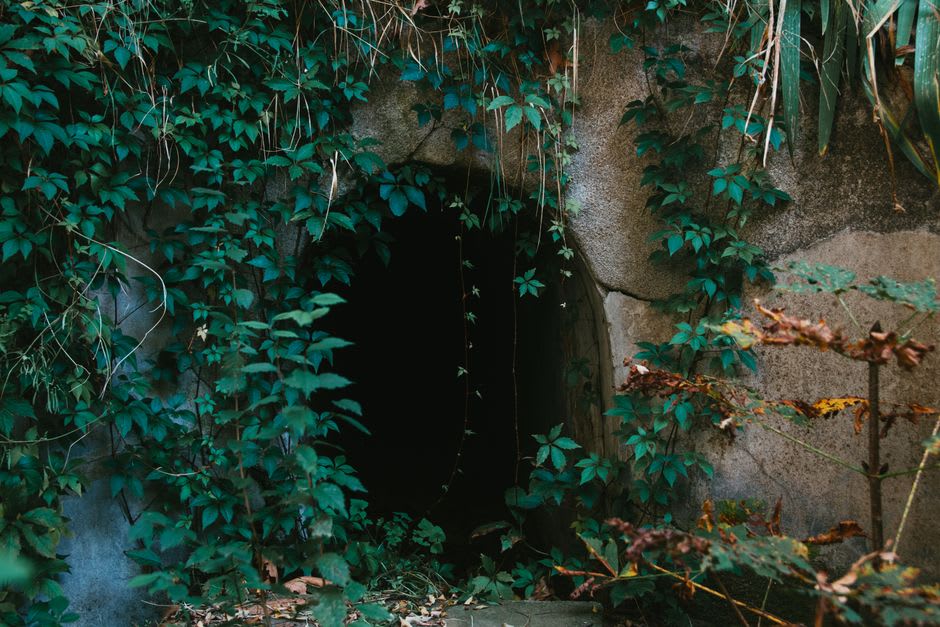
Above ground, the surrounding reserve holds pockets of monsoon vine forest growing in sinkholes where moisture collects year-round, a genuinely lush green anomaly wedged into the surrounding dry woodland, and the short walking trail around the entrance area is worth doing slowly before or after the cave tour.
When to go: The caves are only open May through November — they close entirely over the wet season, both because of flooding risk and to give the ghost bat colony an undisturbed breeding period. Book the tour ahead in peak season; group sizes are kept deliberately small.