Sapa
"I arrived in Sapa freezing and half-asleep, and the first person I saw made me feel like the late one."
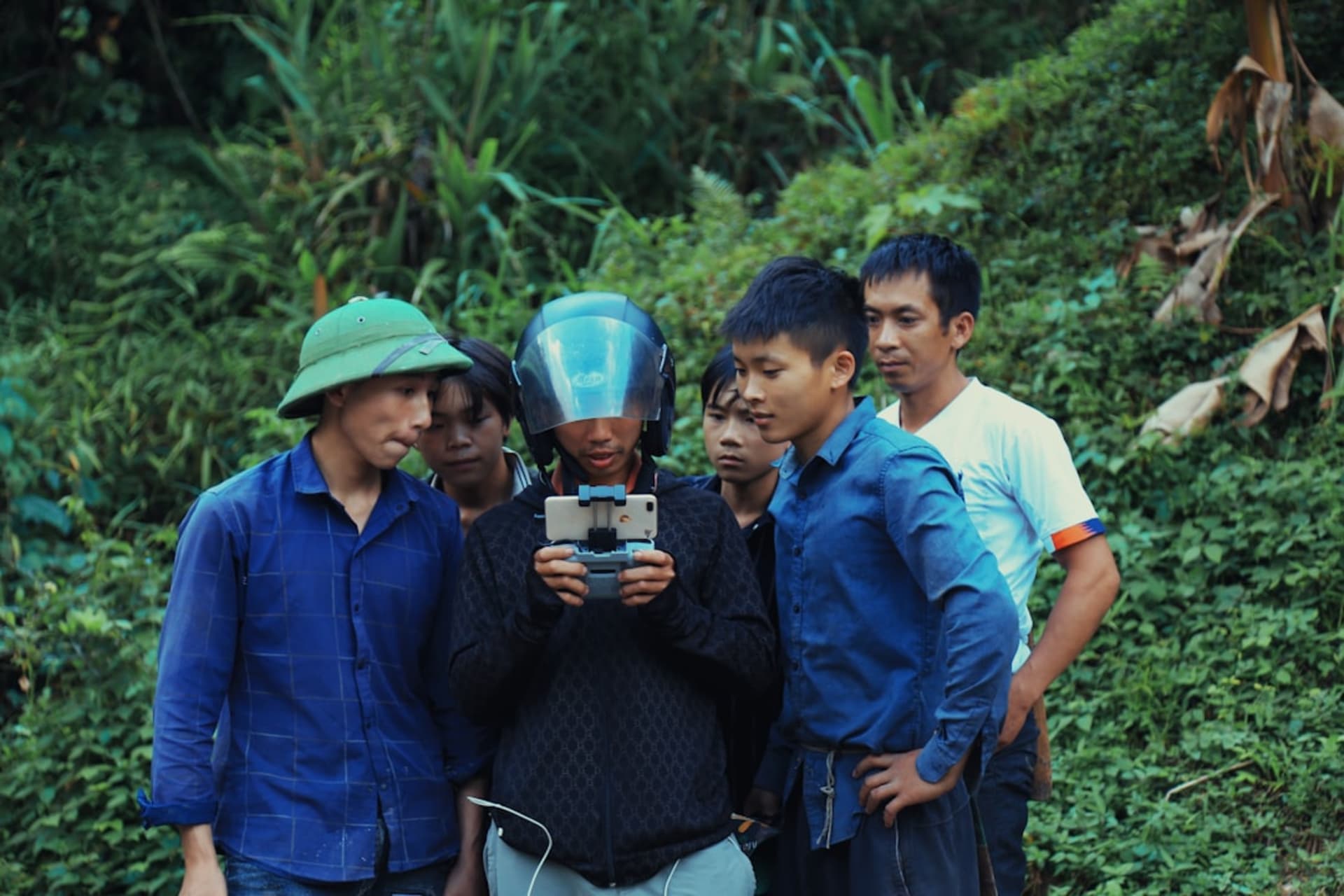
The night bus from Hanoi deposits you on Sapa’s main street at somewhere between four and five in the morning, depending on how generous the driver has been with his schedule. I stepped off into cold that hit like a wall — mountain cold, damp with cloud, nothing like the city I’d left eight hours earlier. The street was already alive. A Hmong woman in full indigo embroidered dress walked past me with a basket twice her size strapped across her forehead, moving at a pace I couldn’t have matched on a flat road after a full night’s sleep. That was Sapa’s first lesson: you are always, at any hour, the slowest person here.
The town itself sits at around 1,600 metres in the Hoàng Liên Son range, and the elevation means it runs on its own logic — mist that erases the valley below for hours at a time, an afternoon that can begin sunny and end in cloud so thick you lose the building across the street. Fansipan, at 3,143 metres the highest peak in Indochina, lurks behind the ridgeline most days and occasionally announces itself at sunrise in improbable clarity. The old French hill station architecture has been mostly swallowed by guesthouses and trekking shops, but the Saturday and Sunday markets in the central square still draw women from villages hours away, wearing clan colours that tell you which valley they come from if you know how to read them. I didn’t, but I learned to ask.
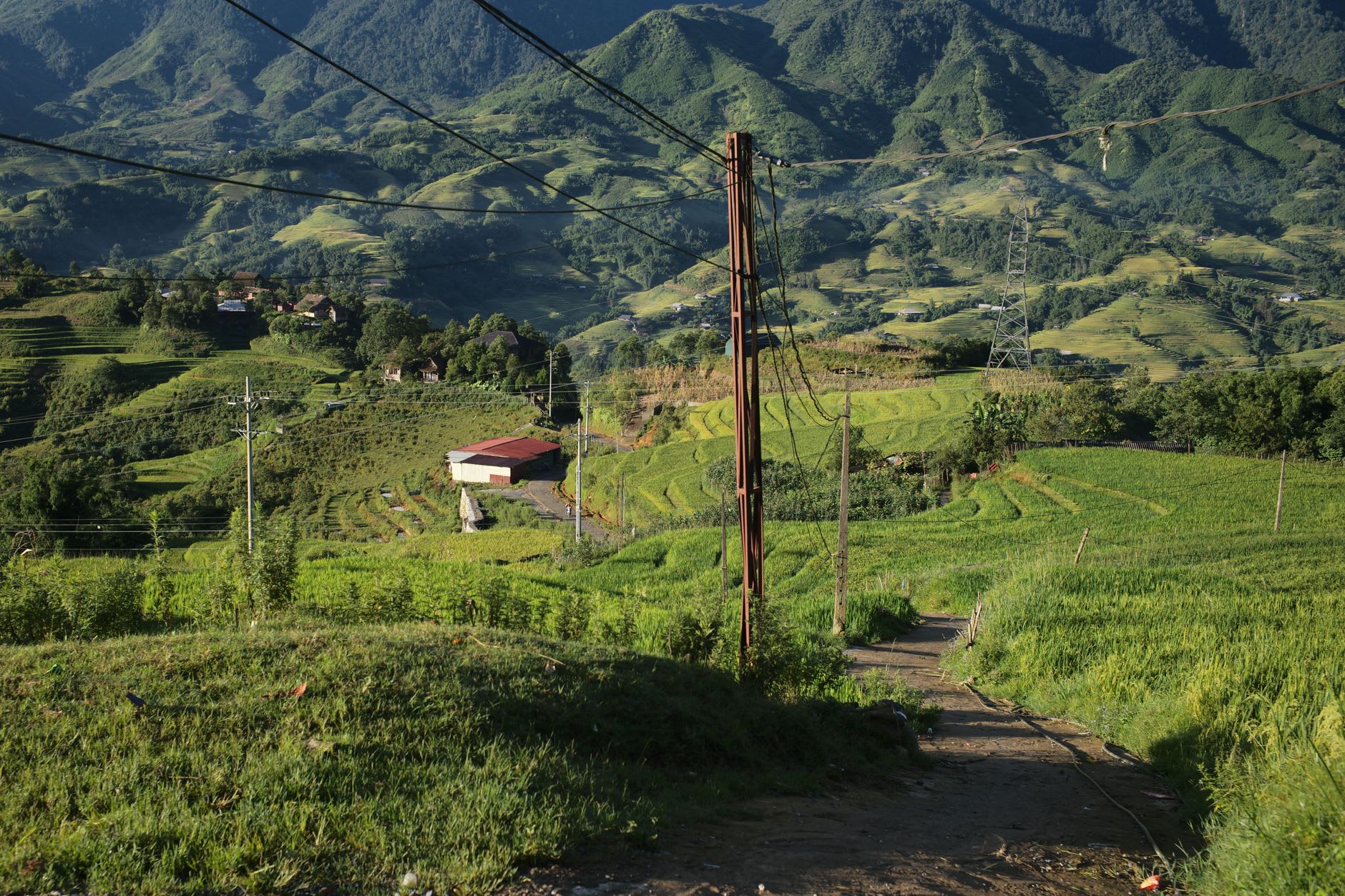
The walk down to Lao Chải and Tả Van takes about four hours at a comfortable pace, dropping through terraces that in September are going gold before harvest and in March are flooded into mirrors that catch whatever sky is available. The path is not unmarked — too many trekkers have worn it in — but it passes through working farmland, real farmland, and the women from Black Hmong families who offer to walk alongside you are doing so partly from hospitality and partly because they carry handicrafts to sell, a transaction so frank and cheerful it doesn’t feel transactional at all. I bought a bracelet I didn’t need and felt fine about it. The rice wine offered from a thermos at the halfway point tasted of corn and regret and I had two cups.
The landscape is the reason everyone comes and the reason everyone who comes remembers it. The terraces are not decorative — they are five centuries of agricultural engineering, hand-cut into near-vertical slopes with no equipment a tractor could use. Standing at the Mường Hoa Valley viewpoint in low morning light, with mist filling the lower sections and the carved ridgelines emerging above it in layers, I understood something about patience and place that I couldn’t have gotten from a photograph. The photographs, taken from exactly this spot by approximately one million people before me, don’t lie — they just can’t carry the cold or the smell of woodsmoke rising from the houses below, or the sound of a buffalo bell somewhere in the cloud.

Sapa’s food, when you find it outside the tourist restaurants, runs toward warming and hearty: thắng cố (a broth made from horse offal that smells alarming and tastes rich and deeply animal), bánh cuốn stuffed with minced pork and wood ear mushroom, and a grilled corn sold from street carts that has been rubbed with something I never identified but ate three of. The market breakfasts are the ones to seek — congee ladled from large pots, or pho with a broth so clear it looks pale but hits deep.
When to go: September to October for golden terraces before harvest — the crowds are manageable and the light is extraordinary. March for flooded terraces without the summer rush. December through February is cold enough to need real layers but occasionally rewards with frost on the higher ridges and empty paths. Avoid July and August: every room is full and the paths are slick with rain.