
Stobi
"We pulled off the motorway for an hour at Stobi and stayed three — an entire Roman city, and barely another soul in it."
Stobi is the kind of place you almost drive straight past, which is precisely its tragedy and its gift. It sits right beside the main motorway running south from Skopje toward Greece, near the confluence of the Crna and Vardar rivers, signposted modestly enough that most people speeding toward the beaches of Halkidiki never turn off. We did turn off, mostly because I had read one paragraph about it the night before, and we ended up giving it the entire afternoon. There is a full ancient city here, and on the day we visited we shared it with perhaps half a dozen other people.
Walking into the late antique world
Stobi was a significant town long before Rome, but its golden age came under the empire and especially in late antiquity, when it became a flourishing Christian centre. What survives is unusually legible. You do not need much imagination to read the place: the main paved avenue still runs between the buildings, you can step down into the semicircle of the theatre, trace the outline of the grand houses, and walk through the episcopal basilica where the bishops of Stobi held court. The town was important enough that an early church council was held here, and important enough that the emperor Theodosius stayed in the city in 388.
The detail that genuinely stopped me, though, was the mosaics. The floors of the larger houses and the basilicas are laid with intricate mosaic — geometric borders, peacocks, deer at a fountain, the symbolic vocabulary of early Christianity rendered in tiny coloured stones. In most of Europe these would be roped off, climate-controlled, photographed only through glass. Here, on a quiet weekday, I stood at the very edge of a fifteen-hundred-year-old floor with nothing between me and it but my own sense of restraint. Lia, who has more reverence for these things than I do, actually told me to step back, and she was right to.
Heat, history and a lesson in scale
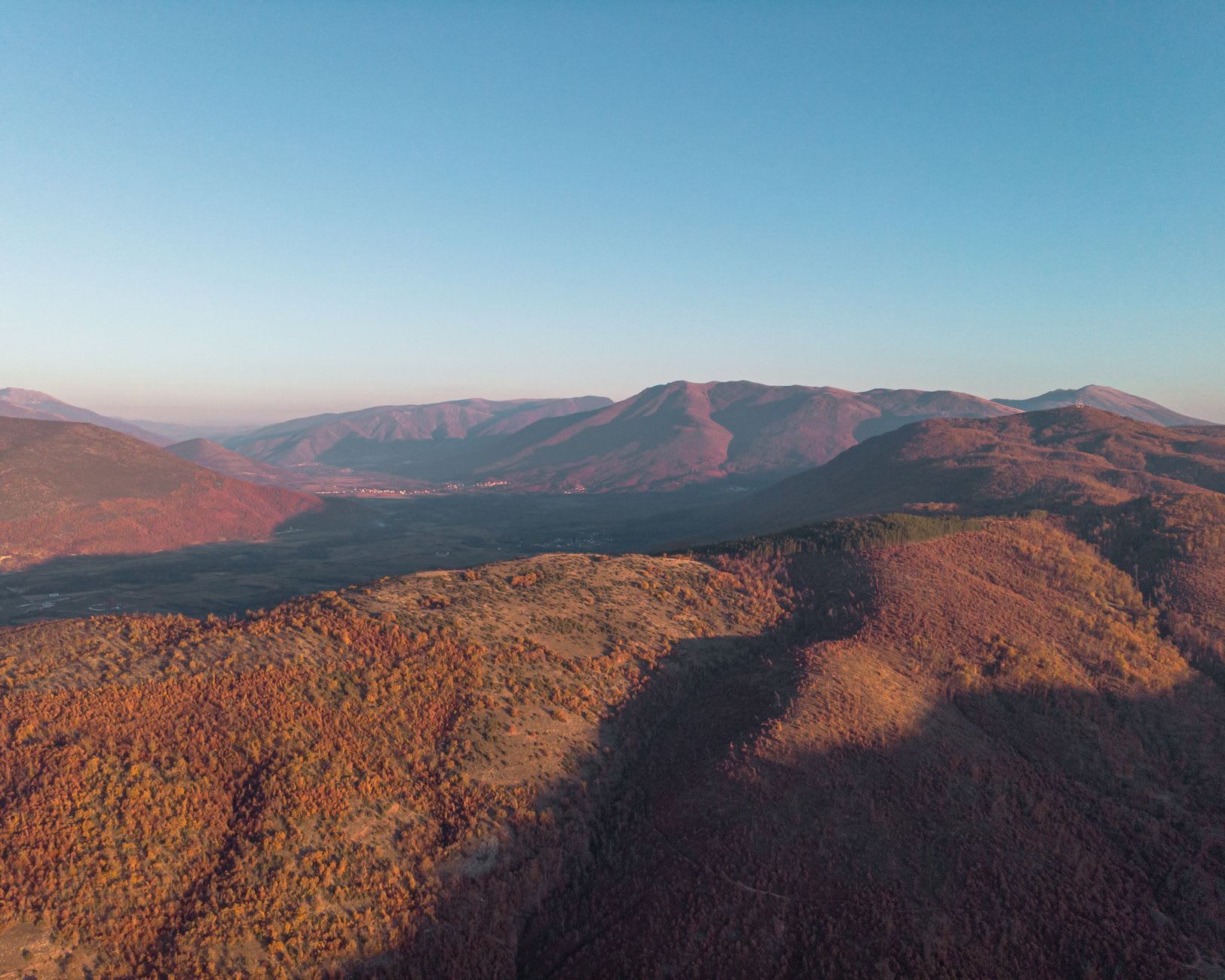
I will be candid: there is little shade, the summer sun in the Vardar valley is ferocious, and the small site museum is modest. Bring water and a hat and do not come in the blazing middle of a July day expecting comfort. But that exposure is also the point — you experience the city under the same hard Balkan light its inhabitants did, the dry hills folding away to the south, the river glinting, the cicadas going at full volume. It is a place that rewards slowness. The longer we stayed, the more the layout resolved itself, until I could stand in the forum and genuinely picture the noise of it.
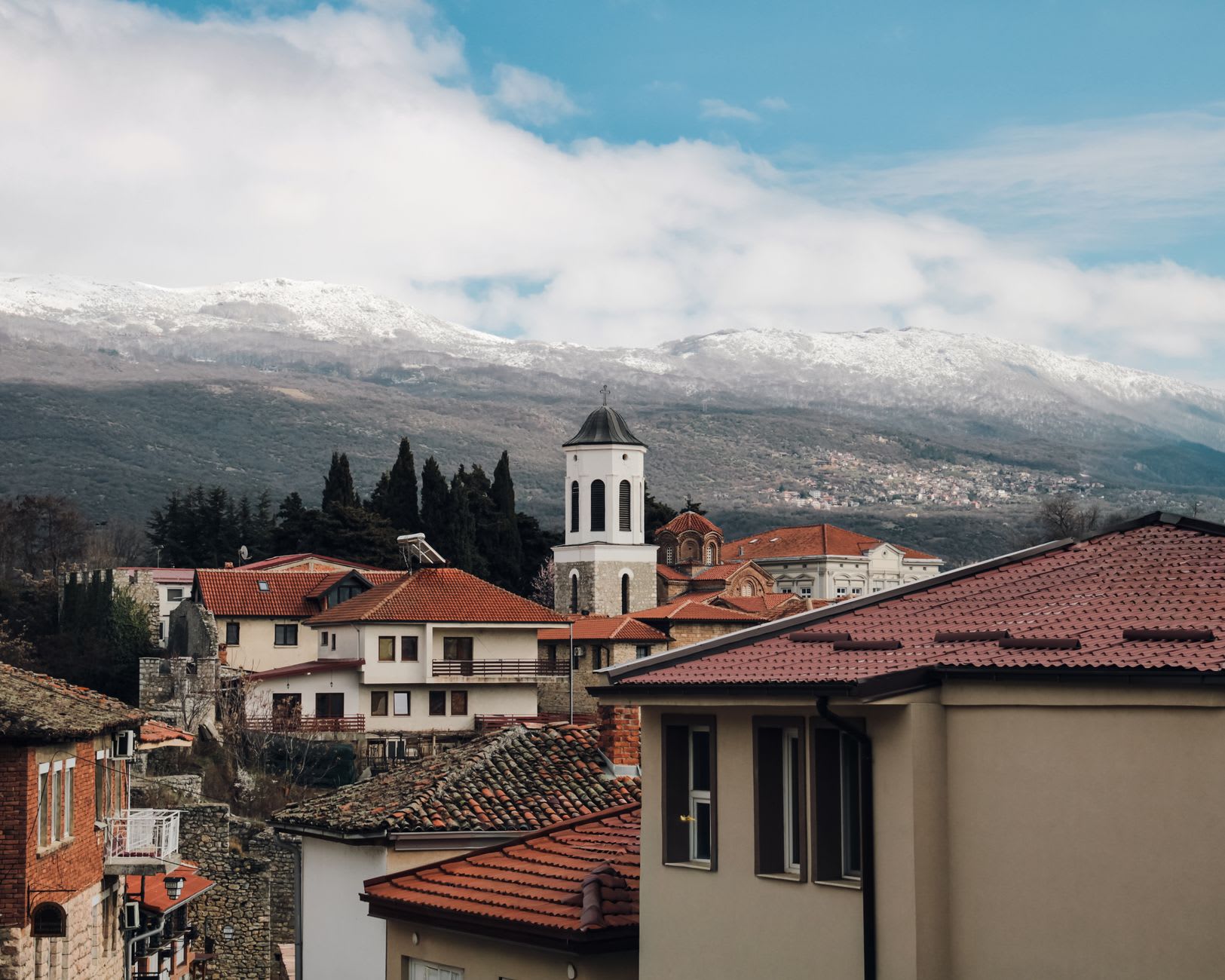
What stays with me is the sheer disproportion between Stobi’s importance and its obscurity. This was a regional capital, a place emperors visited, and you can have it almost to yourself for the price of a motorway detour. We rejoined the traffic feeling like we had been let in on something.
When to go: Spring and autumn are ideal — the light is good and the heat is manageable. Avoid midday in July and August unless you are well prepared for sun. It works perfectly as a break on the Skopje-to-Greece drive; allow two hours minimum, more if you love mosaics. Check the on-site museum’s opening hours before you go.