
Kruševo
"Kruševo declared itself a republic in 1903. It lasted ten days. The town has been commemorating it ever since."
The road to Kruševo climbs for a long time, switchbacking up through pine forest and then emerging onto a wide shelf of land at 1350 metres where the town sits in a kind of surprised openness — as if it hadn’t expected to be this high and found the view embarrassing. On a clear day you can see all the way to the plains around Bitola far below, and the air up here has that particular mountain quality: slightly thin, notably fragrant with pine resin, and cold in a way that persists even in July evenings. This is the highest town in the Balkans, a fact that Kruševo mentions with the quiet pride of somewhere that has decided this is the most important thing about itself.
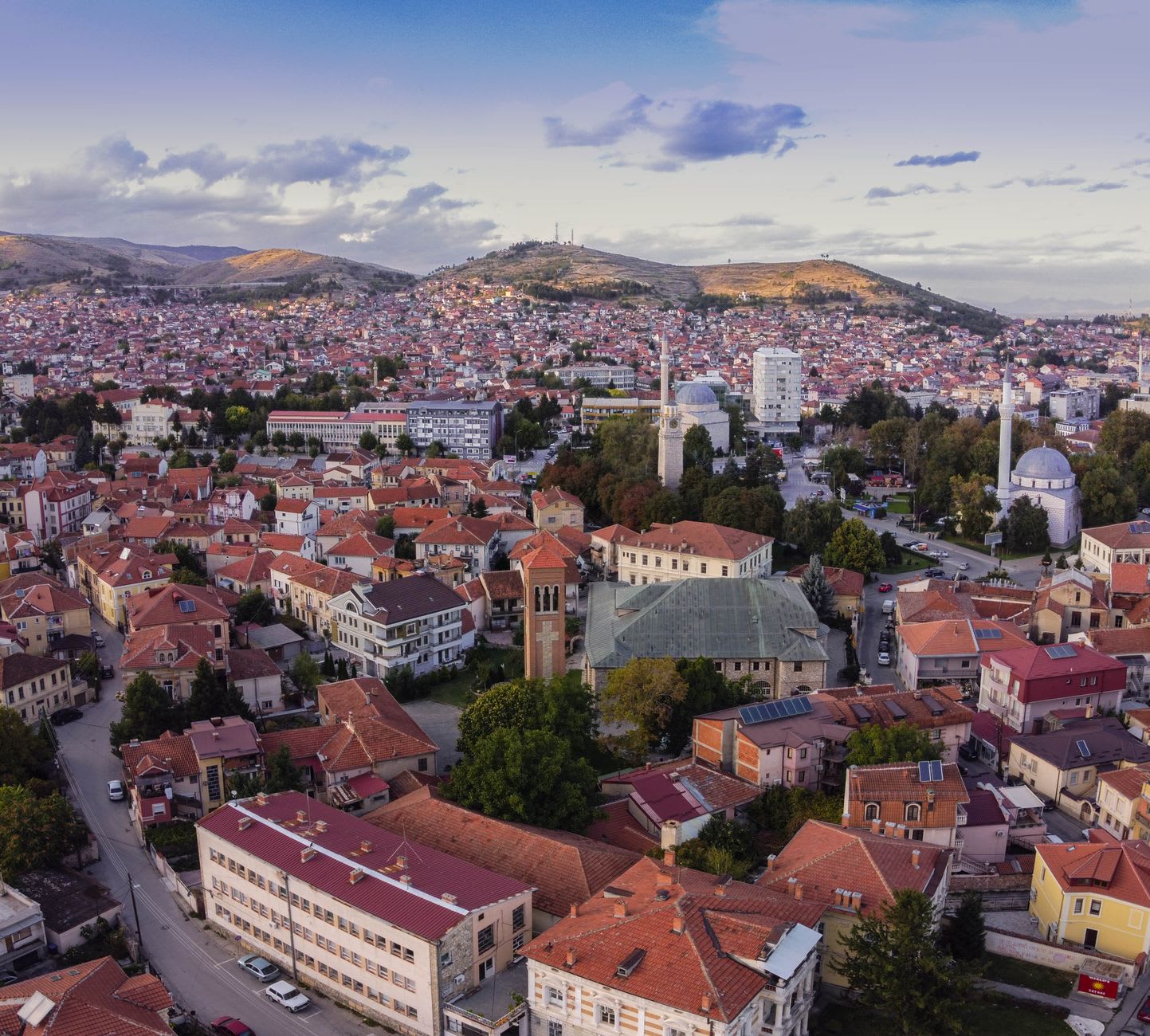
The town’s real claim to history, though, is the Ilinden Uprising of 1903. On August 2nd of that year, the Macedonian revolutionary movement VMRO declared the Kruševo Republic — a brief, utopian, and ultimately doomed attempt at self-governance that lasted exactly ten days before Ottoman forces crushed it. The manifesto issued by the republic’s leaders during those ten days is a remarkable document, calling for equal rights for all people regardless of religion or ethnicity — radical ideas in 1903 on any continent, let alone in a corner of the Ottoman Empire. The Makedonium, a brutalist monument built on the hillside above the town in the 1970s to commemorate the uprising, looks like a spacecraft that has landed on the wrong planet and is making the best of things. Inside, the mosaic murals are extraordinary — vivid, emotional, and designed to be seen at close range, which is not how most people see them.
The old town below the monument is an unassuming collection of nineteenth-century merchant houses with carved wooden facades and interior courtyards, mostly inhabited by families who have been here for generations. I walked through the lanes on a weekday morning when the place was almost completely quiet — a woman beating a rug out of a window, two old men playing backgammon in the sun — and found the Mechkar House, one of the best-preserved examples of old Macedonian domestic architecture in the country, open and unstaffed, the rooms arranged exactly as they might have been in 1870. I walked through it alone and spent a long time in the upper room where the ceiling woodwork was so elaborate it seemed to contain a complete decorative vocabulary.
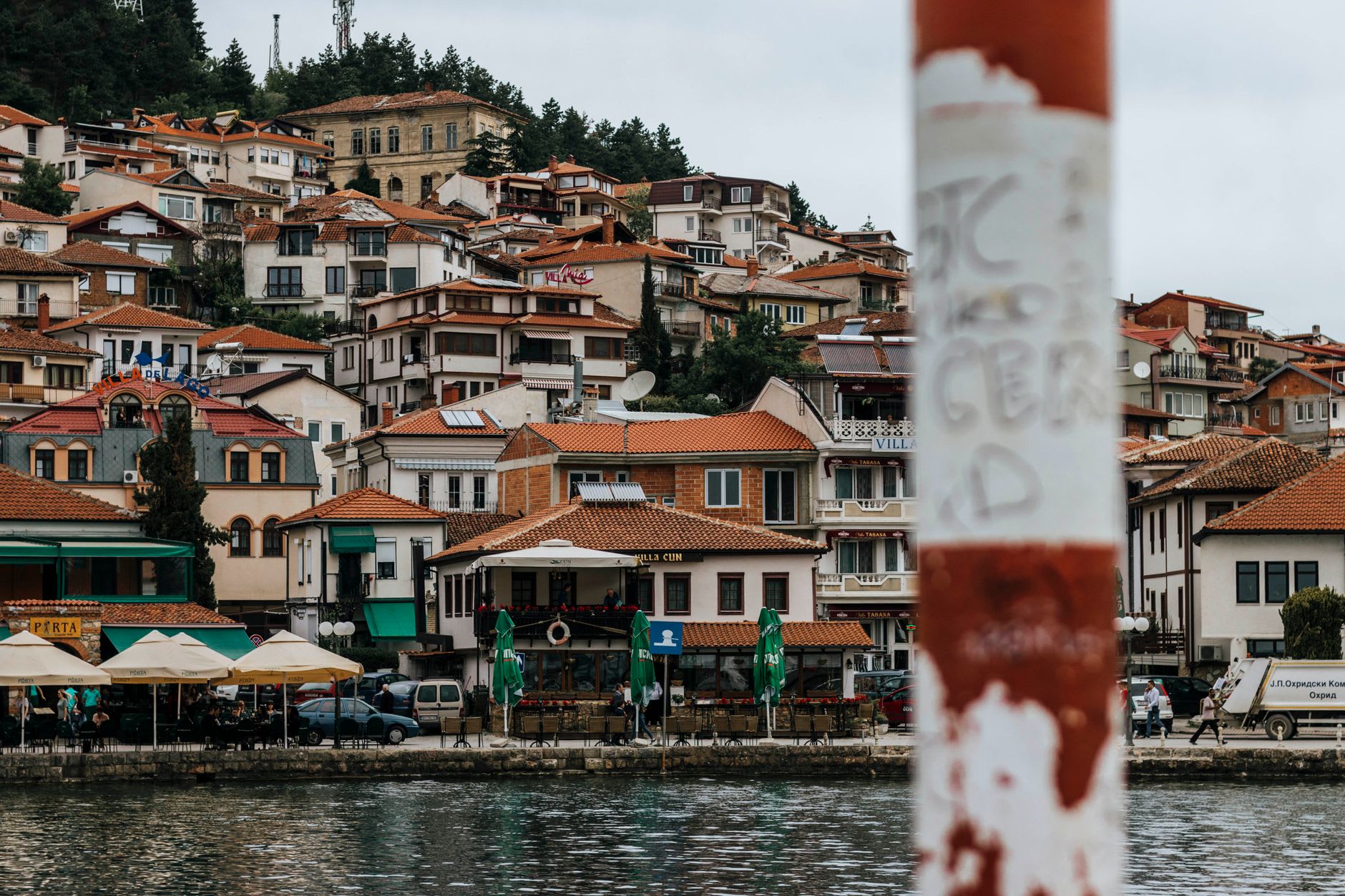
Eating in Kruševo leans heavily on the mountain traditions: roasted lamb, bean soups with local herbs, and a local pastry called pastrmajlija — an oval flatbread topped with cured lamb meat and egg, which sounds improbable and tastes like something you’d eat again immediately after finishing. In summer, the cafés on the small main square fill in the evening with locals who seem entirely puzzled by the existence of foreign visitors, in the best possible way.
When to go: July and August for the most reliable weather and the Ilinden celebrations around August 2nd, which are genuine and moving rather than touristic. Winter brings snow reliably and the town becomes almost entirely quiet — the mountain views are extraordinary in fresh snow, if you can handle the cold.