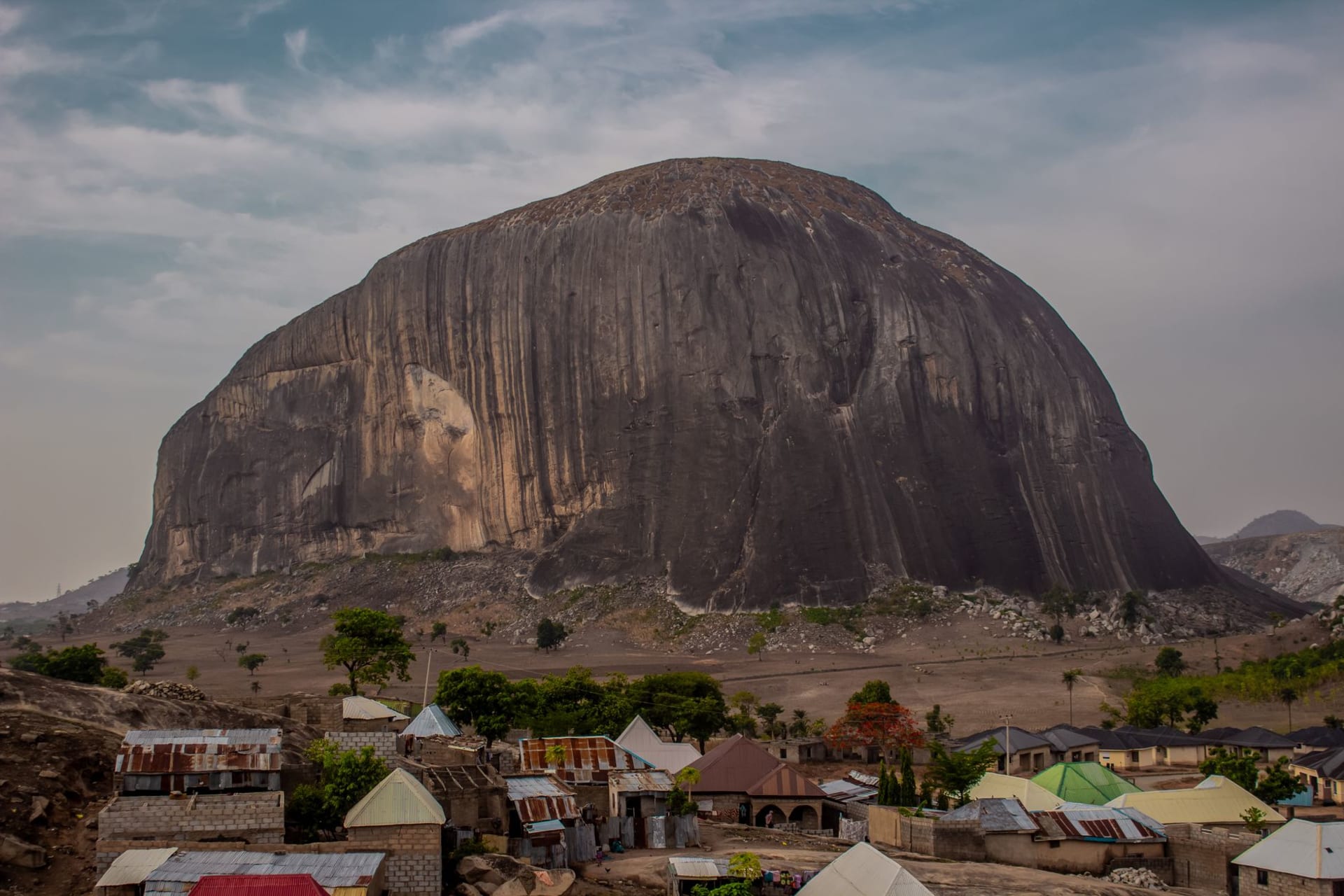
Olumo Rock
"From the top of Olumo Rock the whole of Abeokuta spreads out below — the city literally named for the shelter under the rock."
Abeokuta means under the rock, and after an afternoon spent climbing Olumo I understood that the name is not poetic licence — it is a straightforward description of a survival strategy. In the early nineteenth century, as the Yoruba wars scattered communities across the region, refugees of the Egba people came to this enormous granite outcrop and discovered that its caves, crevices and commanding height made it a fortress no enemy could easily take. They settled in its shadow. The city grew outward from the rock the way a tree grows from a seed, and the rock is still, in every sense that matters, the centre of the place.
Climbing into a founding story
You enter through a modest visitor complex at the base and you are assigned a guide, which here is genuinely useful rather than a formality. Ours was an older man who had clearly told this story several thousand times and still told it with relish. The ascent begins gently — there is even a small lift built into the lower section now, a concession to knees that I, at thirty-four, pretended not to need and then quietly appreciated. Higher up, the engineering gives way to the rock itself: steps carved directly into the granite, narrow passages where you turn sideways and feel the cool stone on both shoulders, handrails bolted into surfaces that women have been climbing for two centuries to grind their pepper and pray.
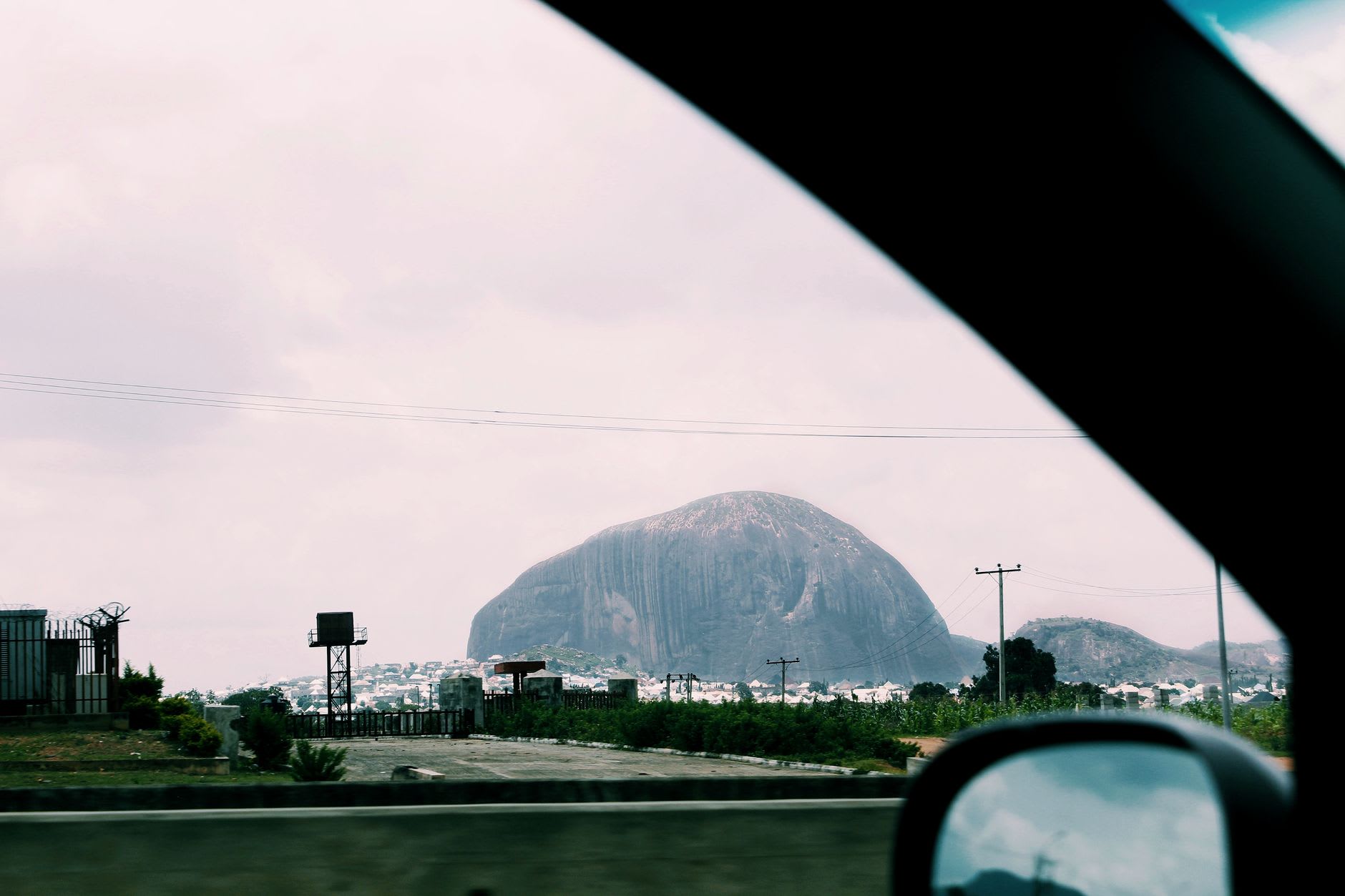
Halfway up there are shrines, still active, tended by elderly priestesses who have lived on the rock for decades. I am wary of turning living religious practice into a tourist photograph, so I will only say that the sense of continuity here is palpable — these are not reconstructions or performances but a faith that never stopped. Our guide spoke to one of the women in Yoruba, she answered, and there was an ordinariness to the exchange that told you this is simply daily life conducted in an extraordinary setting.
The view, and the city named for it
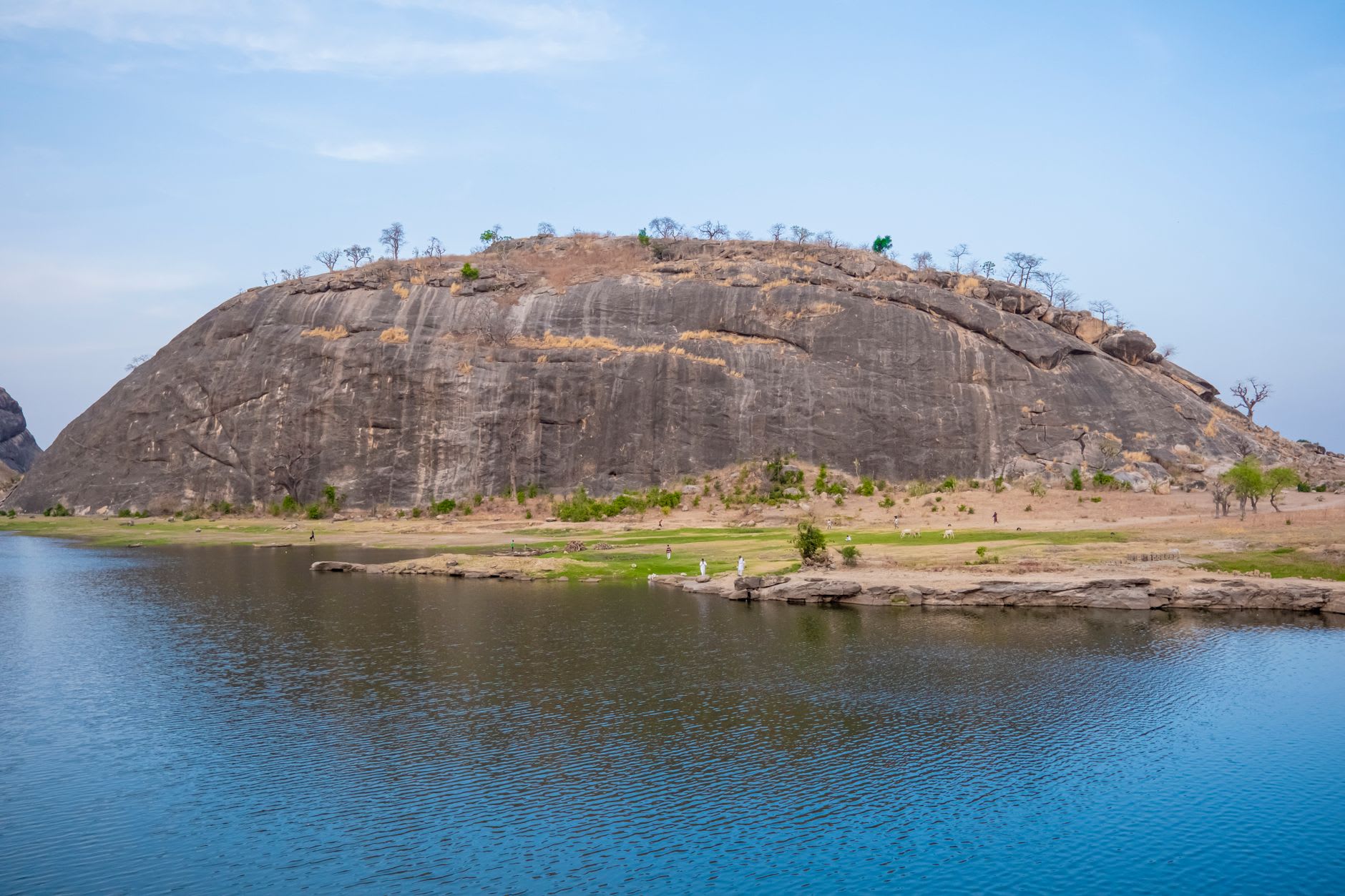
The summit is worth the sweat. Abeokuta unrolls in every direction — a low, dense, red-roofed sprawl punctuated by the silver dome of the central mosque, the spires of churches, and other granite outcrops rising out of the urban fabric like the backs of surfacing whales. The Ogun River threads through it all. Standing up there in the wind, with the city’s name suddenly making complete literal sense beneath my feet, was one of those moments when travel does the thing it promises and so rarely delivers: it made an abstract bit of history into something I could feel in my legs.
Lia, who has a better head for heights than I do, sat on the edge with her feet dangling while I kept a respectful metre back and took photographs of her being braver than me. We bought cold drinks from a vendor near the top — there is always, in Nigeria, a vendor near the top — and watched the light go long and orange over a city that began as people hiding under a stone.
When to go: The dry season from November to March is best, with clearer views and no risk of slippery rock underfoot. Go in the morning before the granite bakes and the haze builds. A guide is included and recommended. Abeokuta is an easy day trip from Lagos, around two hours by road, though the traffic out of Lagos can turn that figure into fiction.