Ténéré Desert
"I woke at 3am and heard nothing — genuinely nothing — for the first time I can remember."
East of Agadez, the landscape does not gradually become the Ténéré. It arrives. One hour you are in scrubland, dust-blown and recognizable, and then there is a transition that the eye cannot precisely locate, and suddenly you are inside something that has no edges you can see. The Ténéré is the central-eastern section of the Sahara — roughly the size of France — and it is, by most accounts, the largest continuous sand desert on earth. These are facts I’d read before going. What I hadn’t read, because it cannot be conveyed in facts, is how the scale eventually stops registering as geography and starts registering as something else. Something closer to argument. The desert here is not scenery. It is a statement.
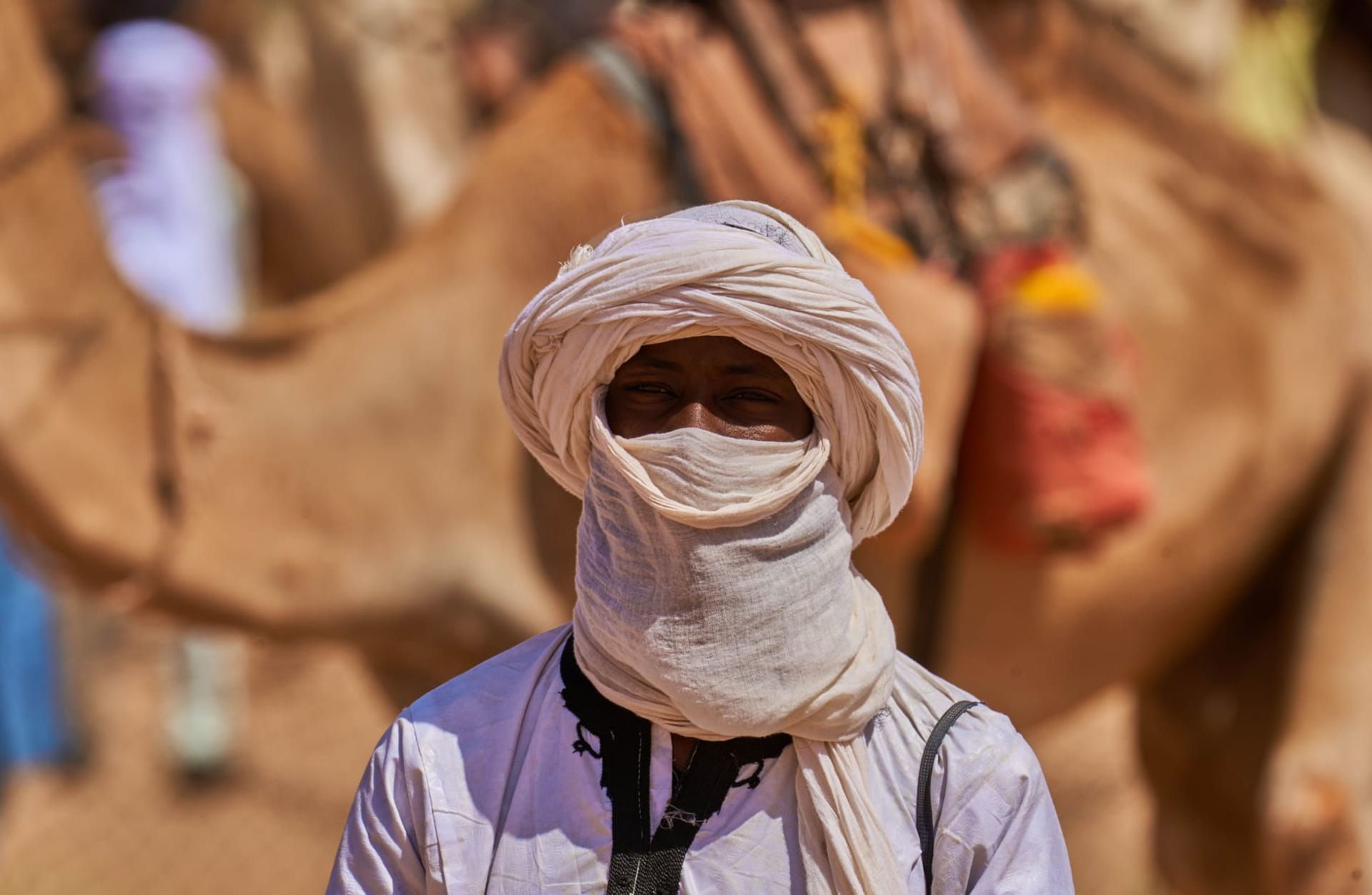
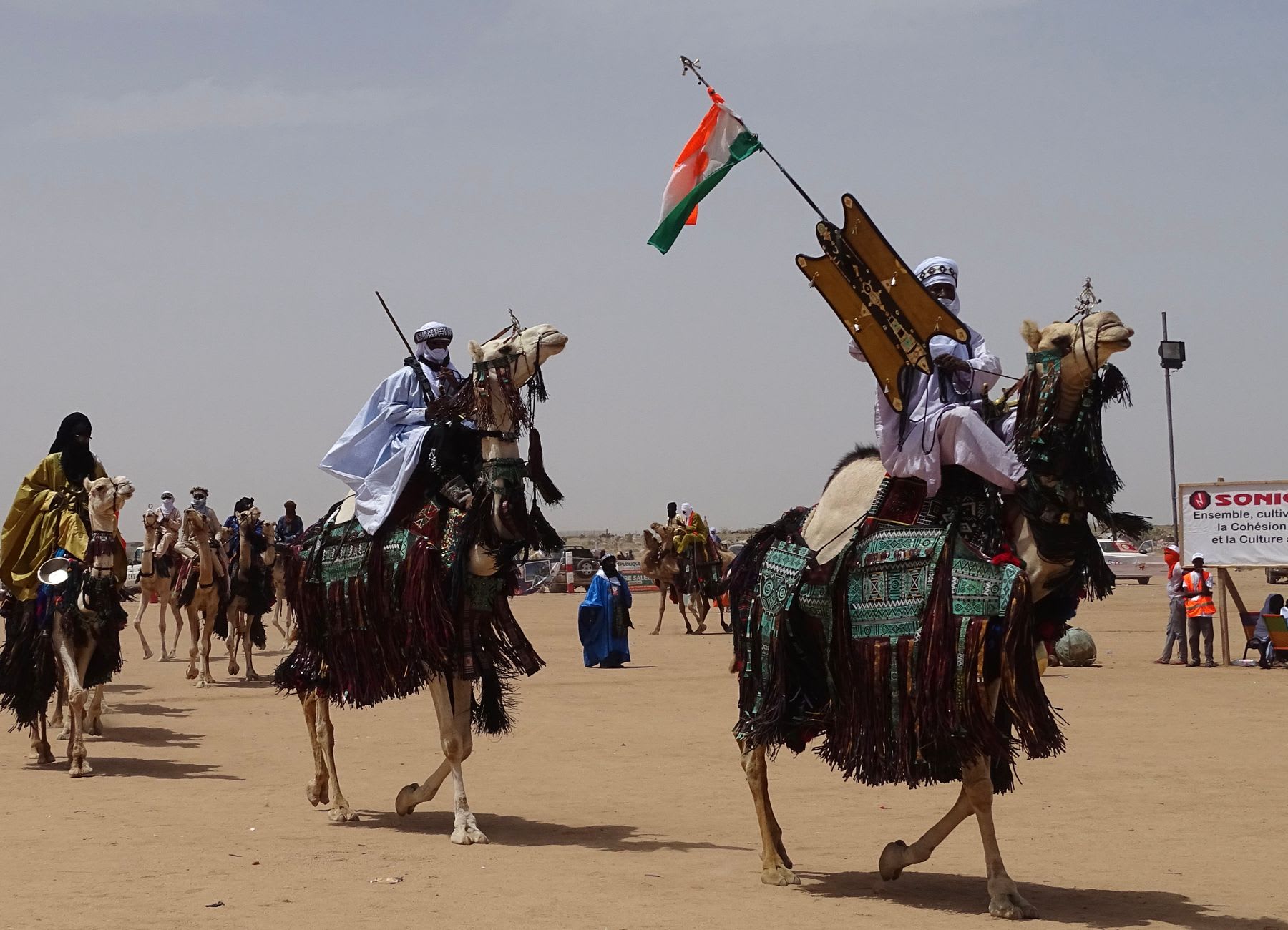
We went with a small group and two experienced Tuareg guides who had grown up navigating by star and wind. The dunes south of the Bilma oasis rise in formations that change shape with each passing hour as the light swings around. In the morning they are blue-shadowed, architectural, the wind having raked their crests into knife-edges overnight. By noon they flatten into something merciless. By evening they go gold in a way that makes you feel stupid for not carrying better film.
We camped two nights. The setup was minimal — sleeping mats, blankets that smelled of the last group that borrowed them, a fire built from wood the guides had carried in, tea brewed in three rounds with the same leaves. There were no lights anywhere except the fire and the sky. I have camped in many places and seen many night skies, and the Ténéré at 2am is different — not in the number of stars exactly, though there are more than you expect, but in the way the Milky Way becomes not a smear but a structure, something with apparent depth, as if the sky has been pulled inside out. I lay outside my blanket for an hour just staring up and lost track of whether I was looking out or in.
The silence I woke to at 3am was the thing that stayed with me. Not the absence of noise, exactly, but an active quality — the Ténéré’s silence has a texture, almost a pressure. I lay still for twenty minutes testing it, waiting for something — a wind gust, a camel shifting, a distant engine — but nothing came. That particular nothing is what the Ténéré actually sells, and you cannot approximate it anywhere else.

The famous Tree of Ténéré — once the most isolated tree on earth, a lone acacia marking a well on the caravan route — was struck by a truck in 1973 and now lives as a metal sculpture erected in its memory. The original is in Niamey’s national museum. The marker is worth visiting anyway: it clarifies something about what the desert meant to those who crossed it, how a single tree could be a landmark for an entire continent’s worth of navigation.
When to go: November through February only. The desert is passable in October and March on the margins, but the cold nights of December and January are part of the experience rather than a deterrent — temperatures drop below freezing after midnight and return to 35°C by noon. Going in summer is genuinely dangerous; temperatures above 50°C kill quickly. Always travel with experienced Tuareg guides; GPS does not substitute for their knowledge of water sources and wind-driven route changes.