Volcán Mombacho
"Granada gets the postcard. Mombacho gets the weather that makes the postcard possible."
A cloud-forest volcano looming over Granada, its slopes striped with coffee plantations and threaded with canopy trails where orchids outnumber people.
You see Mombacho from everywhere in Granada — it looms over the whole city, a green wall at the edge of the lake, usually with its top few hundred meters buried in cloud regardless of what the sky is doing at street level. I’d looked at it for three days before I finally went up, and the drive alone recalibrated my sense of the place: the truck that hauls visitors up the access road climbs so steeply, on switchbacks so tight, that the coffee plantations blur past at an angle that felt more like a funicular than a road trip.
Coffee Grown in the Clouds
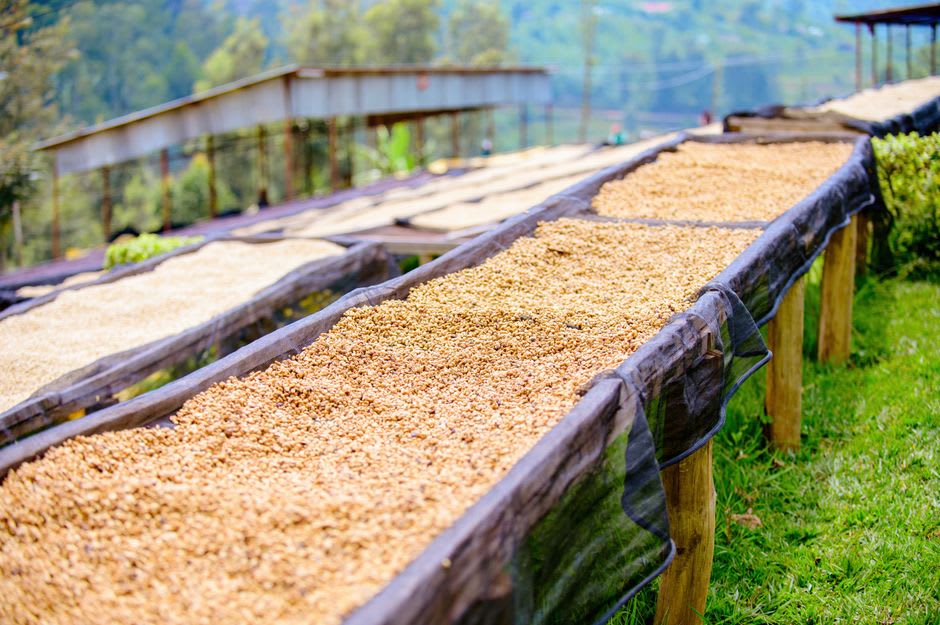
Mombacho’s lower and middle slopes are covered in coffee — shade-grown, mostly arabica, tended on plantations that have operated here for over a century, taking advantage of the same principle that works in Jinotega: cooler, cloud-wrapped elevation slows the bean’s maturation and deepens its flavor. I stopped at a small finca on the way up where a worker named Deysi showed me the drying patios, wide concrete slabs where beans get raked into rows and turned by hand through the day. She let me taste one straight off the plant, still in its cherry — sweet-bitter, nothing like coffee, closer to a strange grape — and laughed at how long it took me to place the flavor.
Into the Canopy
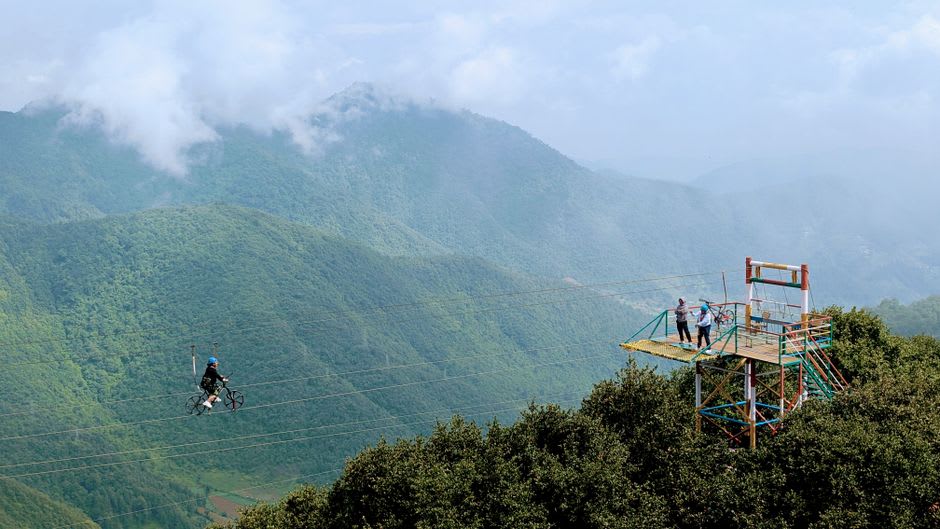
Near the summit, the coffee gives way entirely to genuine cloud forest — gnarled, moss-covered trees, air thick enough with moisture that you feel it on your skin rather than just breathe it. I did the canopy tour, a series of ziplines strung between platforms bolted into old-growth trunks, which sounds like a tourist gimmick until you’re actually up there, moving fast through mist with the crater floor visible in fragments below through gaps in the canopy. Between runs, our guide kept stopping to point out orchids — Mombacho is one of the richest orchid habitats in Nicaragua, dozens of species crowding a single branch, blooms the size of a fingernail easy to miss if nobody’s pointing. I’d never really looked closely at an orchid before that afternoon. I have not stopped since.
By the time the truck brought us back down, Granada was baking in full sun below, and it struck me how strange it was that an entire different climate existed twenty minutes up the road — mist and moss and orchids stacked directly above vigorón stands and colonial plazas. Mombacho doesn’t ask you to choose between the two Nicaraguas. It just puts them next to each other and lets you decide which one to visit that day.
When to go: Year-round, though the cloud forest is at its mistiest and most atmospheric from May to November. Coffee harvest runs roughly November through January if you want the plantations at their most active. Book the canopy tour in advance — access up the volcano is limited to scheduled truck departures.
Keep exploring
More from Nicaragua
 nicaragua
 Wiwilí
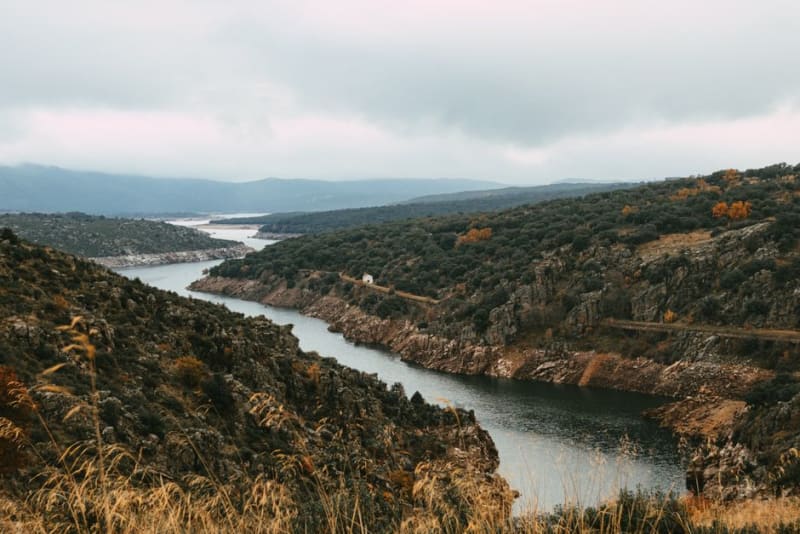
A frontier town split by the Coco River on the Honduran border, where smallholder cacao and coffee farms give way, just north, to the start of the rainforest.
Explore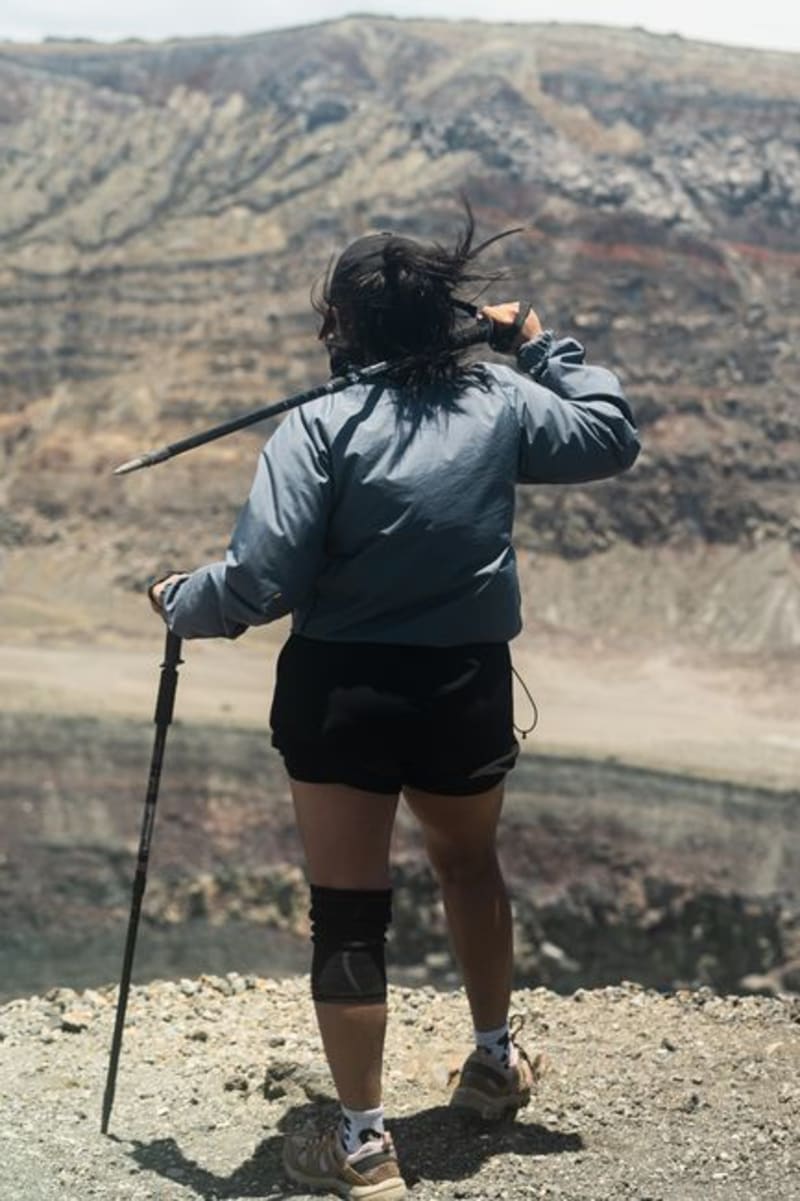 nicaragua
 Apoyeque
A near-perfect volcanic crater lake on the Chiltepe Peninsula that almost nobody visits, reachable only on foot, with two of Nicaragua's great lakes visible from its rim.
Explore nicaragua
 Corn Islands
Big Corn Island's Caribbean culture and lobster dinners reward the effort of getting to Nicaragua's forgotten coast.
Explore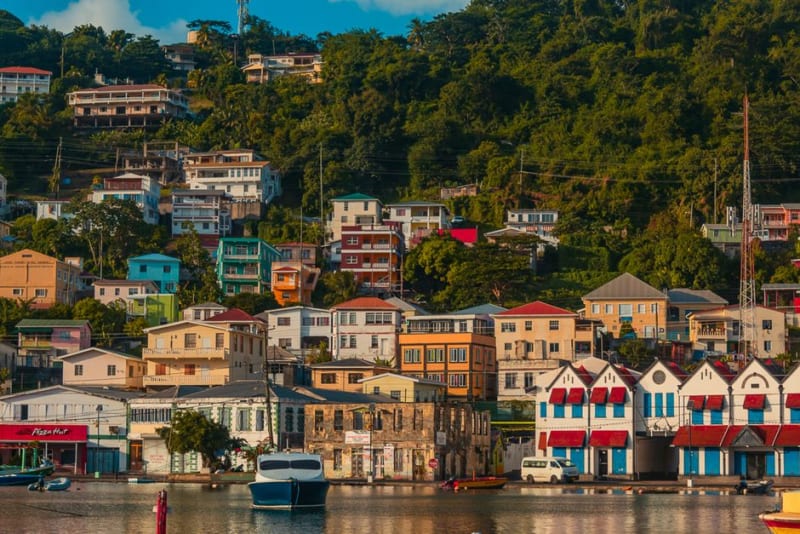 nicaragua
 Bluefields
A Caribbean port city where English and Miskito outrank Spanish, reachable only by boat or small plane, and utterly unlike anything on Nicaragua's Pacific side.
Explore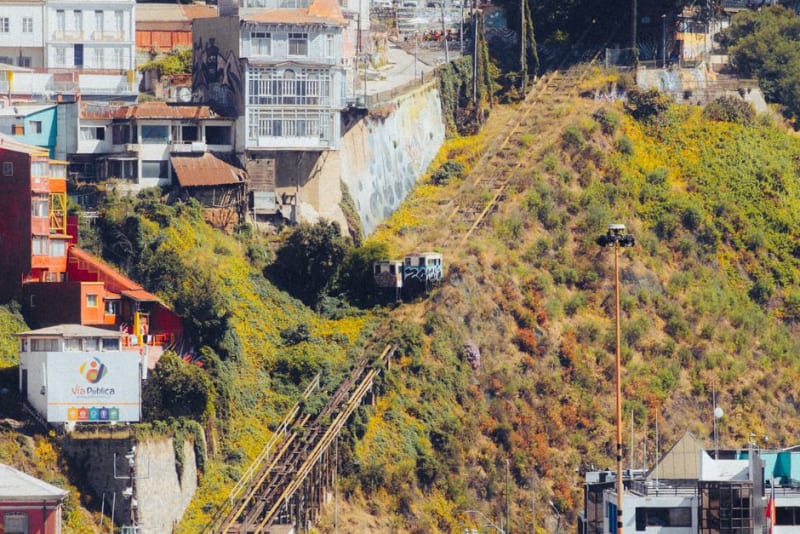 nicaragua
 Boaco
Nicaragua's 'City of the Two Floors,' stacked on a steep hillside above dairy country, where cowboy hats are standard dress and the streets genuinely have levels.
Explore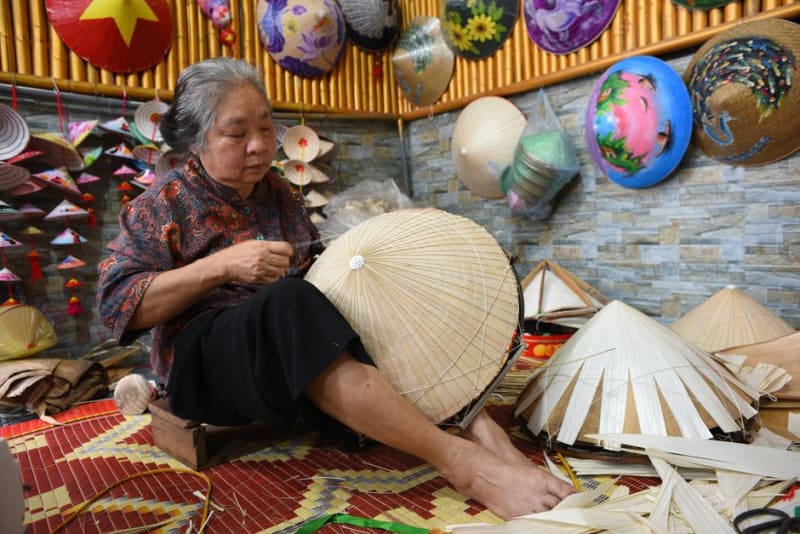 nicaragua
 Camoapa
A small cattle town near Boaco known across Nicaragua for its handwoven leather and palm-fiber hats, made by families who've done little else for generations.
Explore