Selva Negra
"Somewhere above Matagalpa there's a Black Forest that got planted in a Nicaraguan cloud forest and just decided to stay."
A German-immigrant coffee estate hidden in the cloud forest above Matagalpa, where alpine chalets and Bavarian gables somehow feel completely at home in the tropics.
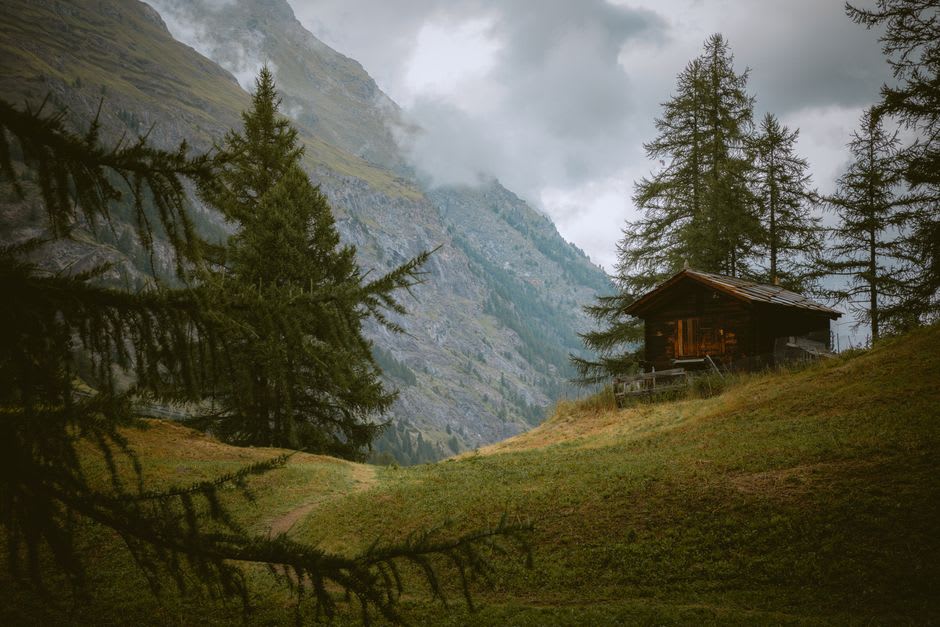
Nothing about the drive up from Matagalpa prepares you for what Selva Negra actually looks like. The road climbs through the same misty coffee country as everywhere else in this part of the highlands, and then you turn in through a gate and suddenly there are steep-pitched roofs, dark timber beams, and window boxes that would look at home in the Bavarian countryside — a cluster of alpine-style chalets sitting improbably in the middle of a Central American cloud forest, a small lake out front reflecting the whole scene back at itself.
An Estate Built From Homesickness
The name means “black forest,” and the story behind it is genuinely touching once you hear it. German immigrants arrived in this valley in the 1880s to grow coffee, and rather than adapt their architecture to the tropics, they built the estate to look like the region they’d left behind — steep roofs originally designed to shed snow, applied to a place that has never once seen snow, because it was what home was supposed to look like. The current owners, descendants of those original settlers, run it now as a working coffee farm and eco-lodge, and the effect of walking around the property is disorienting in the most pleasant way: European gables under a canopy dripping with orchids and bromeliads, hummingbirds working the flower boxes outside rooms with names that sound like a ski village.
Walking the Farm Trails
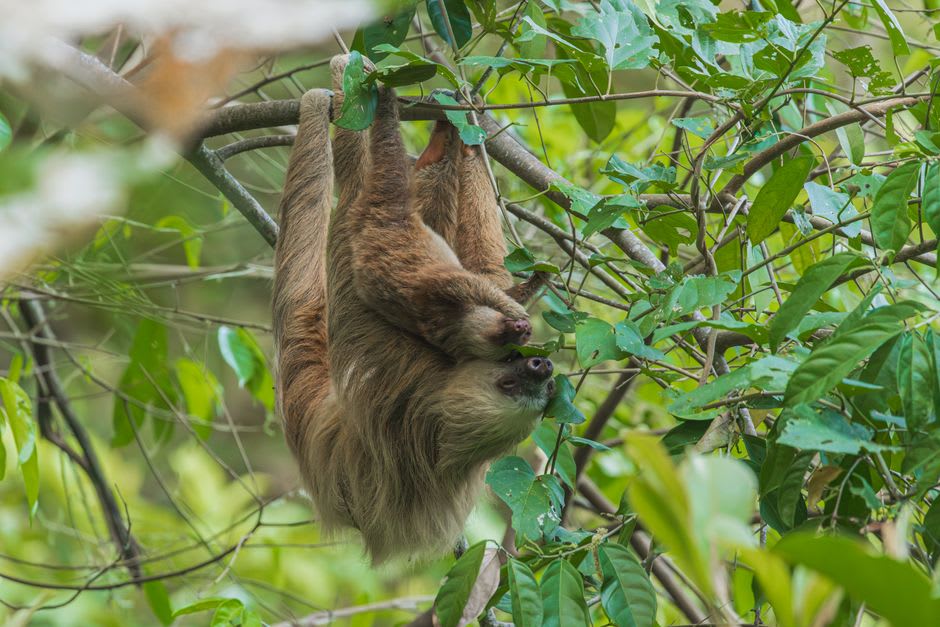
I spent a full day just walking the estate’s trail network, which loops through coffee rows, patches of primary cloud forest, and a small working farm with pigs and dairy cows that supply the on-site restaurant. A guide named Heidi — no relation to the German settlers as far as I could tell, just a name that felt right for the place — pointed out howler monkeys moving through the canopy and a two-toed sloth wedged so still in a fork of branches that I walked past it twice before she made me stop and actually look. The lake at the center of the property, fed by a stream running off the mountain, sat completely still all afternoon, and I ate lunch at a table overlooking it — smoked pork and fresh cheese from the farm, plus coffee grown fifty meters from where I was sitting, roasted that same week.
It’s a strange kind of place — part working farm, part conservation reserve, part architectural time capsule of a homesickness more than a century old — and it works precisely because nobody involved seems to find any of it odd. I did, in the best way, for the entire visit.
When to go: Year-round, though December through February brings the coolest, mistiest mornings and coincides with coffee harvest tours. Book a room on-site if you can — the estate is beautiful at dusk and dawn, after the day-trippers from Matagalpa have gone home.
Keep exploring
More from Nicaragua
 nicaragua
 Siuna
A rough-edged former gold-mining town in Nicaragua's northeastern interior, and the last real outpost before the road gives out and the Bosawás rainforest begins.
Explore nicaragua
 Solentiname Islands
A remote Lake Nicaragua archipelago where a poet-priest built an artist commune, and painting in bright primitivist color is still how the islands make a living.
Explore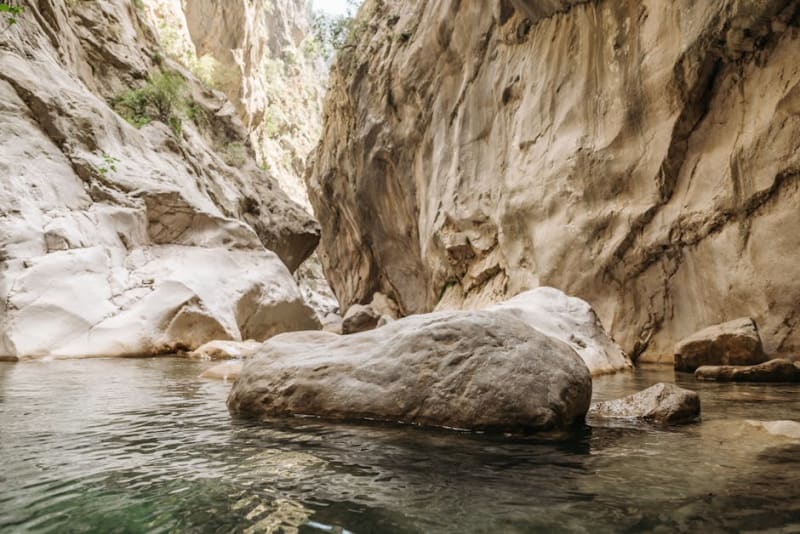 nicaragua
 Somoto Canyon
A geological cathedral in Nicaragua's remote north — swimming, cliff jumping, and a river canyon that almost no one visits.
Explore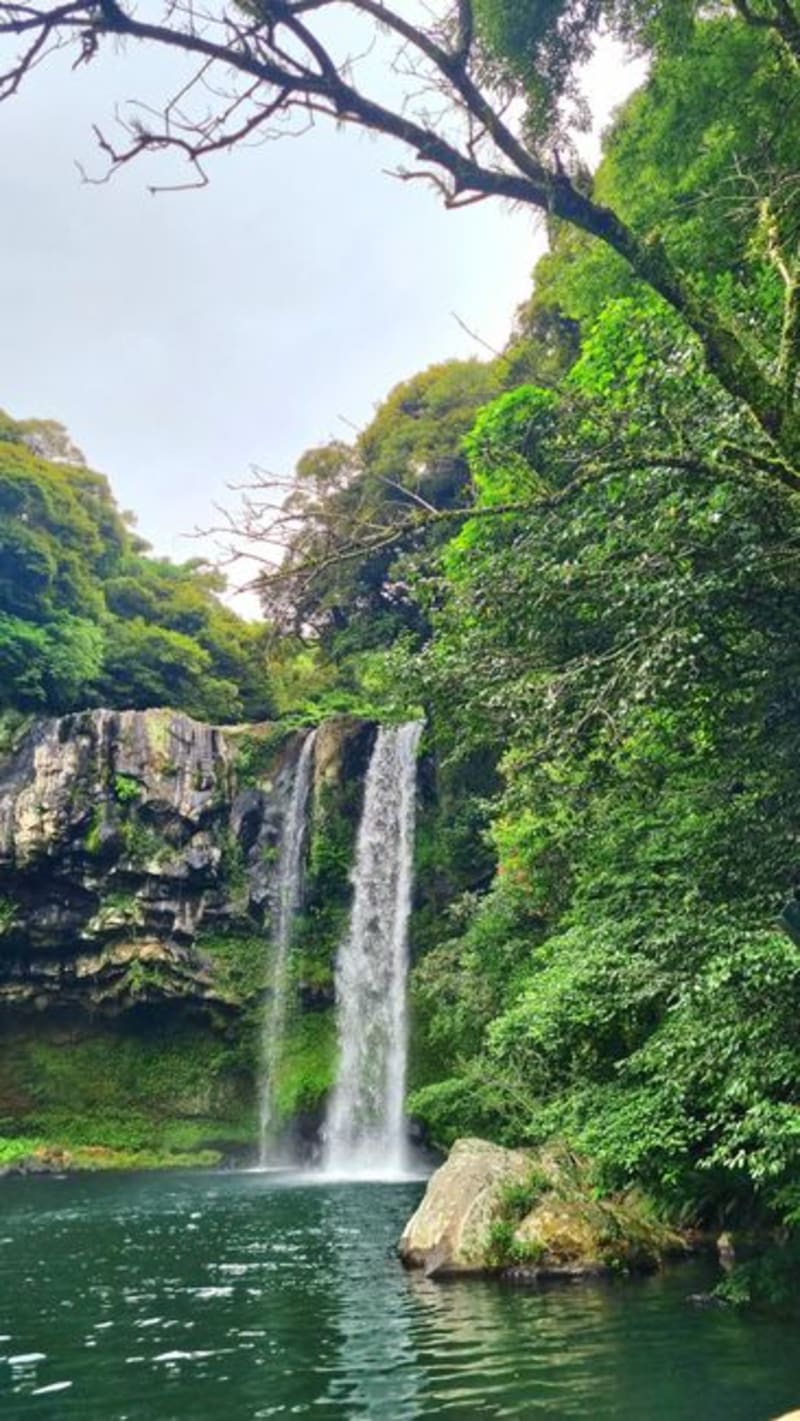 nicaragua
 Tisey-Estanzuela Nature Reserve
A highland reserve outside Estelí where a waterfall drops into a swimmable pool, dry-stone farmhouses dot the pine-covered slopes, and a mirador looks out over half of northern Nicaragua.
Explore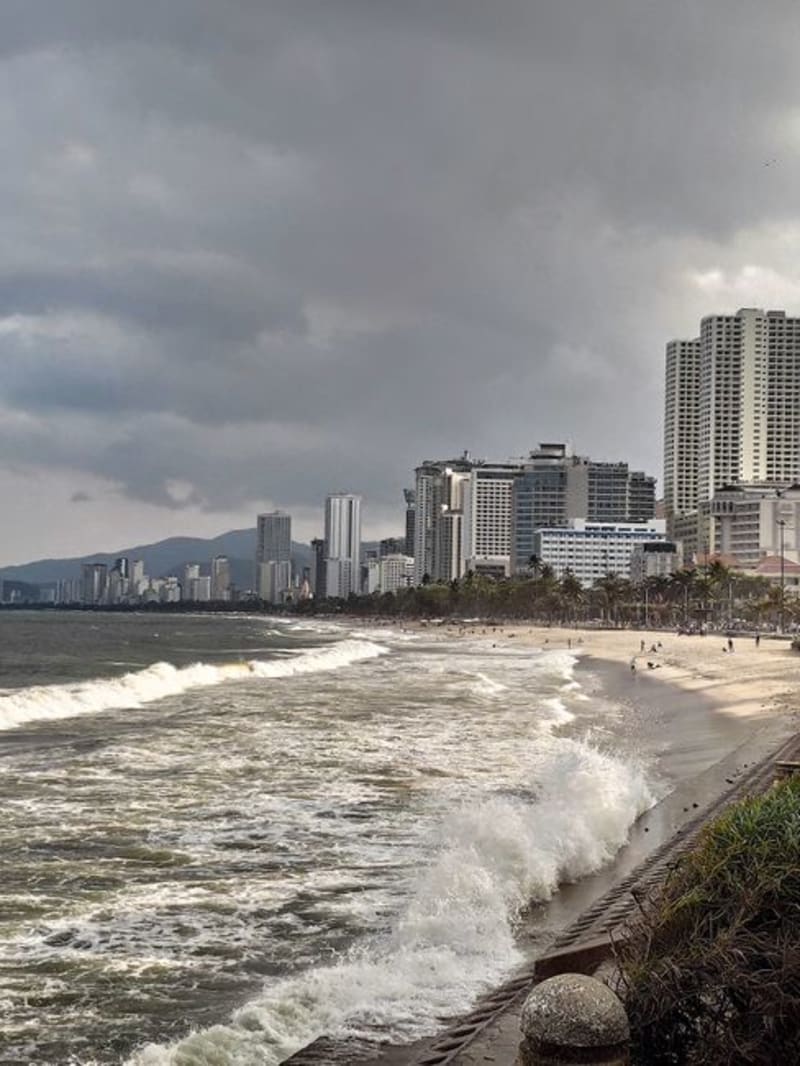 nicaragua
 Tola
The municipality behind Nicaragua's fast-growing Emerald Coast, a sprawl of surf beaches and creeping resort development that stretches from Popoyo down the Pacific shoreline.
Explore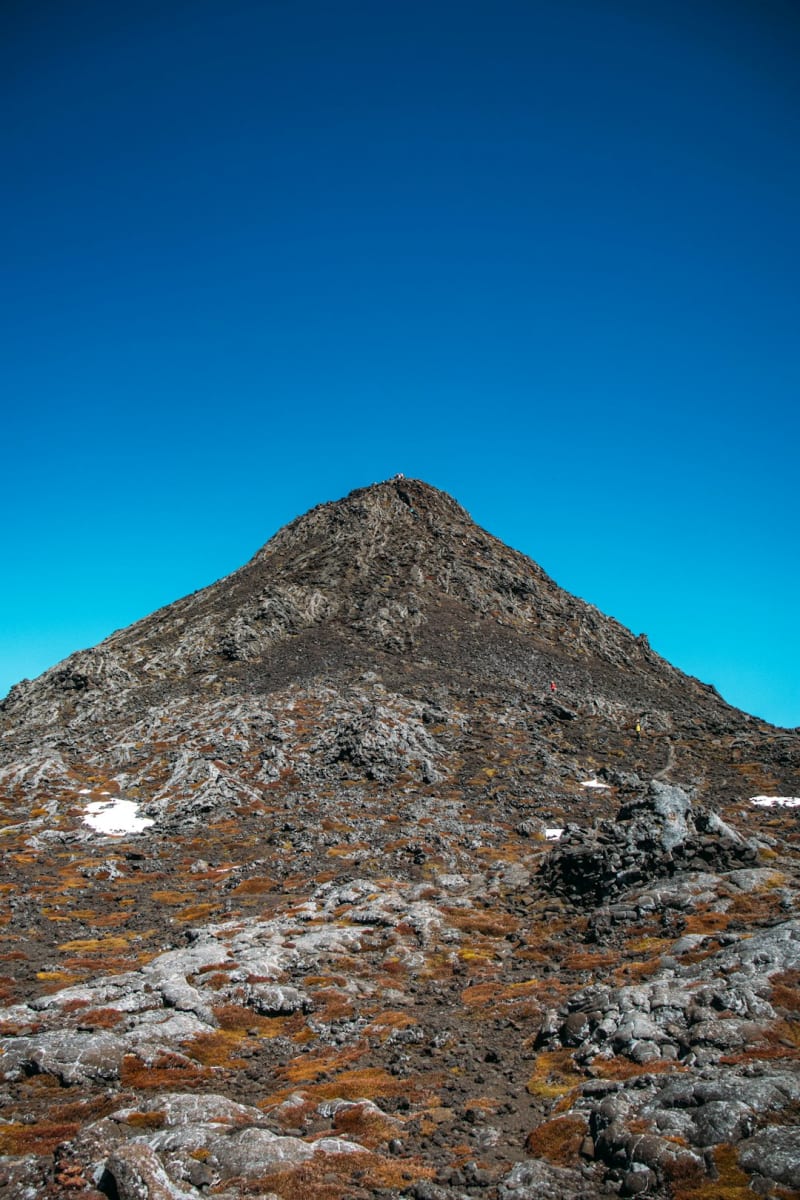 nicaragua
 Volcán Concepción
The younger, sharper half of Ometepe island, a still-active cone that punishes climbers on the way up and rewards them with a view of an entire lake on the way down.
Explore