Jinotepe
"Jinotepe is the town everyone passes through on the way to the coast, which is exactly why I stopped."
The trading capital of Carazo, a highland town with a striking cathedral where farmers, buses, and beach-bound travelers all cross paths.
Every bus heading from Managua toward the Carazo beaches seems to funnel through Jinotepe’s terminal at some point, a chaotic, practical hub of a place where sacks of produce get loaded and unloaded faster than I could keep track of, and vendors weave between idling buses selling everything from fried plantain to phone chargers. I’d meant to change buses and keep moving. I ended up staying the night.
The capital that trades, not performs
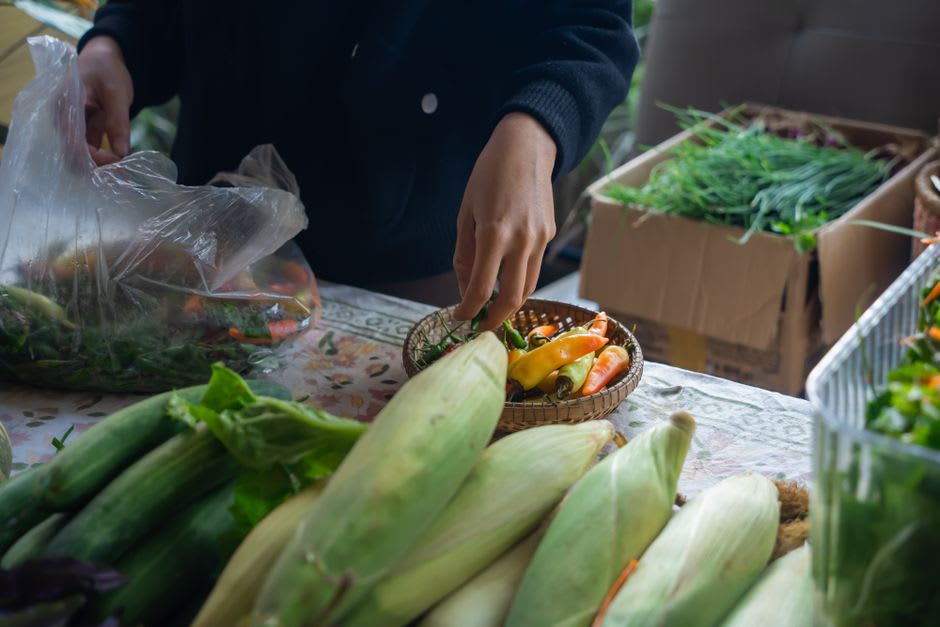
Jinotepe is the departmental capital of Carazo, and it wears that role in the most literal way: this is where the region’s agricultural output — coffee, sugar cane, dairy — actually gets bought, sold, and shipped onward. The central market is enormous relative to the town’s size, loud and unglamorous and completely functional, the kind of place where nobody’s selling anything specifically for tourists because there simply aren’t enough tourists here to bother. I liked it precisely for that reason. Watching a dairy farmer negotiate a price for a truckload of cheese wheels with a buyer, both of them entirely unbothered by my presence, felt more honest than any craft market I’d wandered through elsewhere in the country.
A cathedral worth the detour
The town’s central plaza is anchored by a cathedral that’s genuinely striking — a clean, symmetrical colonial facade that catches the late-afternoon light in a way that stopped me mid-walk the first evening I was there. I sat on a bench across from it while shoeshine boys worked on customers nearby and a group of teenagers practiced a dance routine on the plaza tiles, phone propped against a fountain to record themselves. Nobody in that scene was thinking about the cathedral behind them. I couldn’t stop looking at it.
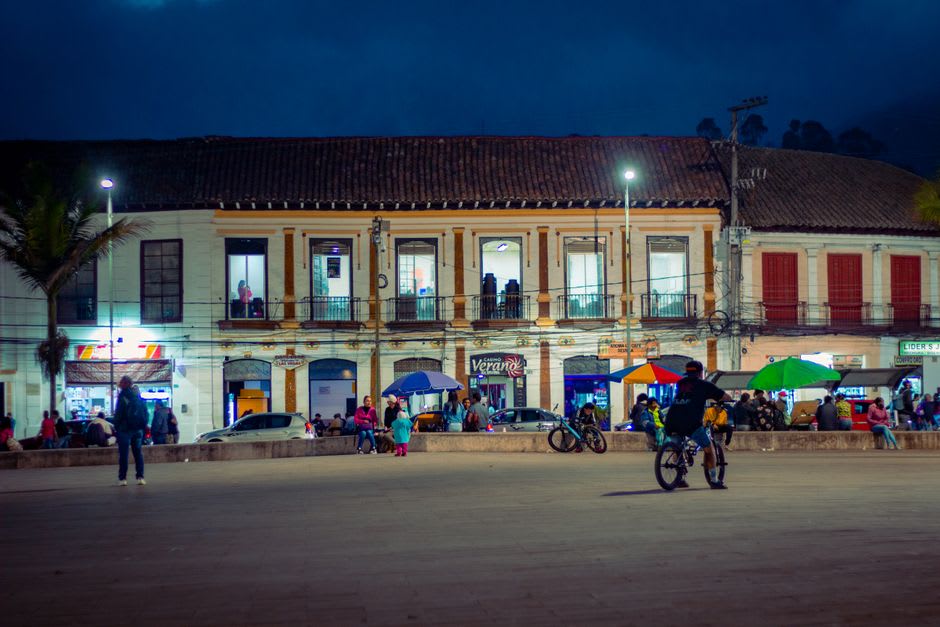
Jinotepe’s real value to a traveler is as a gateway rather than a final stop — it’s the last real town before the highland road drops down toward the Carazo coast’s beaches, and its bus terminal is the practical hinge point for that whole region. But give it an afternoon on its own terms before moving on. It’s a working town that doesn’t need visitors to justify its existence, which is its own kind of relief.
When to go: Year-round as a transit stop, but arrive by early afternoon if you want to see the market at full volume before vendors start closing up around dusk.
Keep exploring
More from Nicaragua
 nicaragua
 Juigalpa
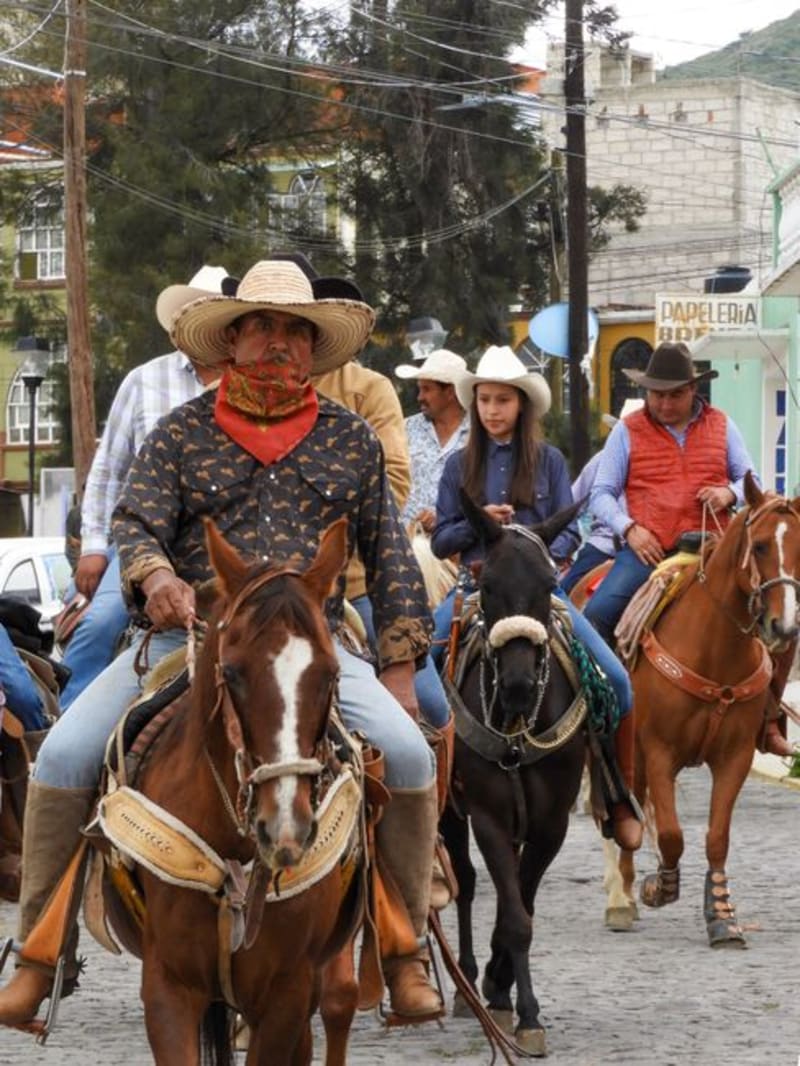
The cowboy capital of Chontales, where cattle ranchers in straw hats trade gossip over gallo pinto and pre-Columbian stone statues watch from the plaza.
Explore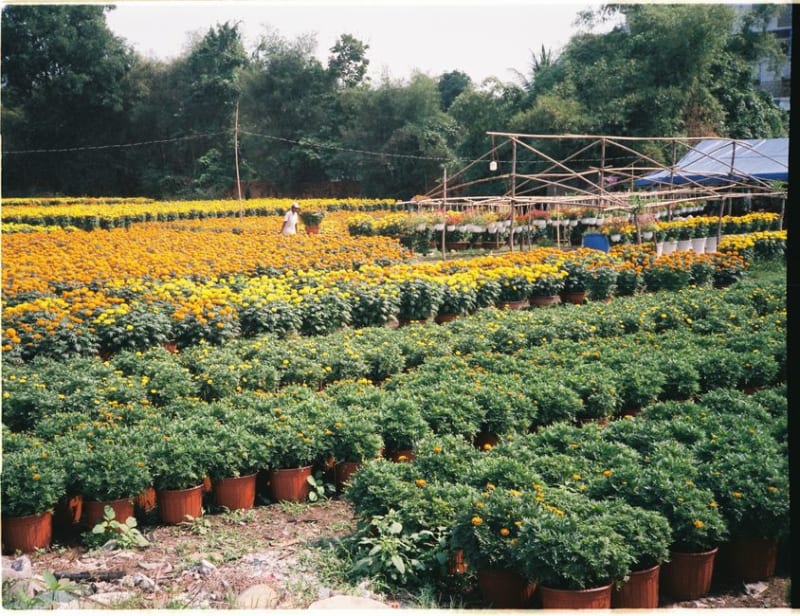 nicaragua
 La Concepción
A Pueblos Blancos town built almost entirely around flowers, where nurseries line the main road and the air smells faintly of soil and blossom.
Explore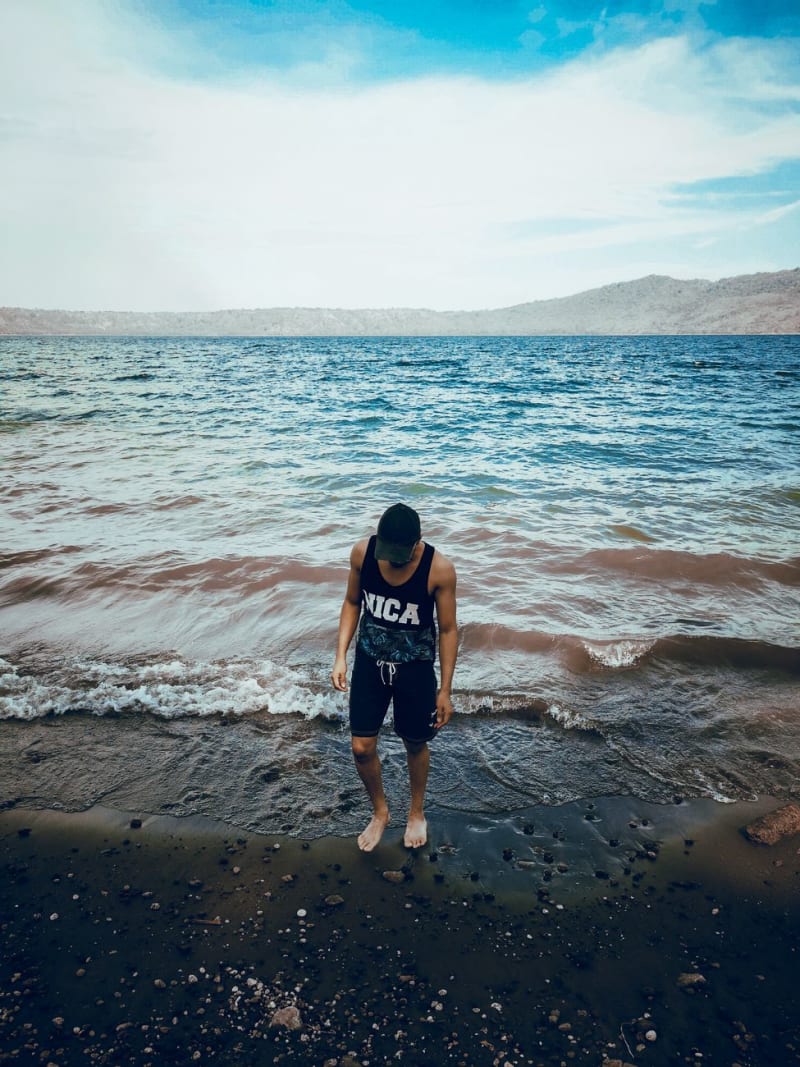 nicaragua
 Laguna de Apoyo
A flooded volcanic crater between Granada and Masaya, ringed by forest, with water so clear and warm it feels like swimming inside the earth itself.
Explore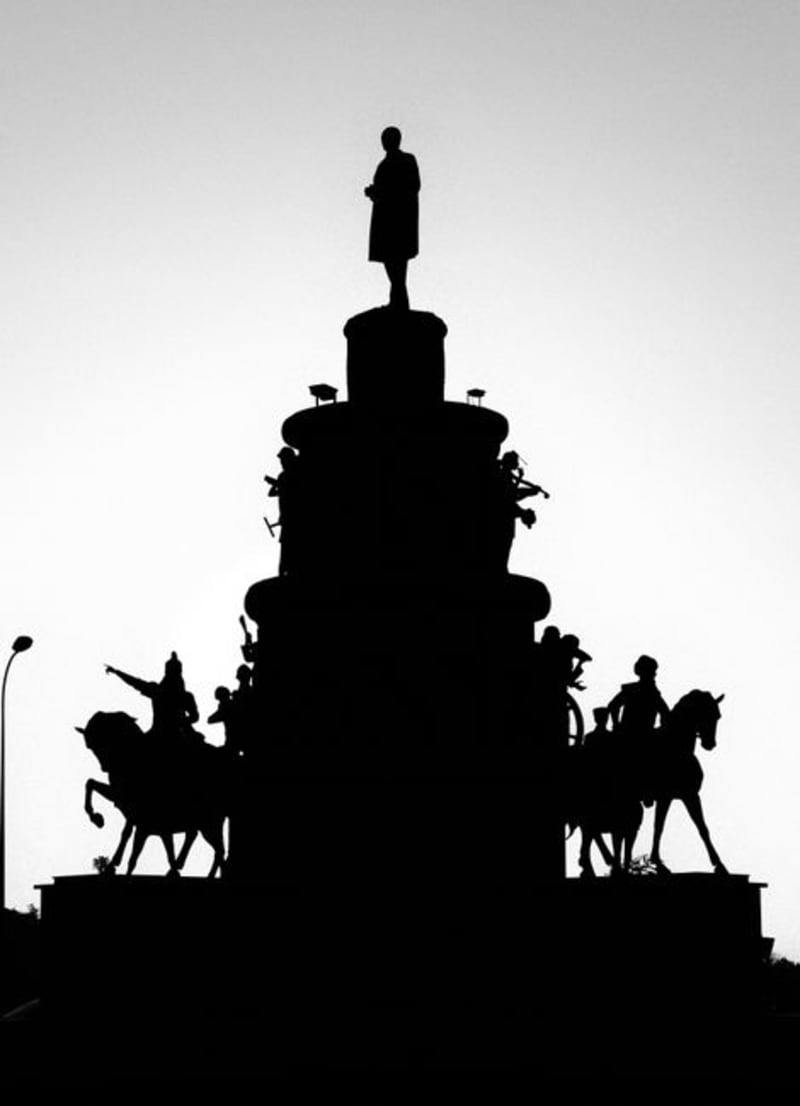 nicaragua
 Laguna de Tiscapa
A crater lagoon sitting right in the heart of Managua, watched over by a black silhouette of Sandino and crossed, if you're brave enough, by a zip-line strung over the water.
Explore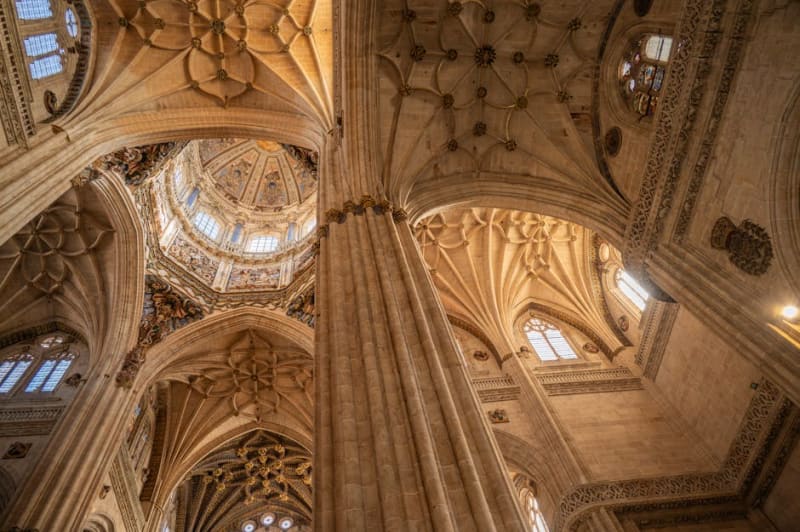 nicaragua
 Leon
Nicaragua's intellectual capital — revolutionary murals, a rooftop cathedral, and the fierce energy of a university city that has never stopped arguing.
Explore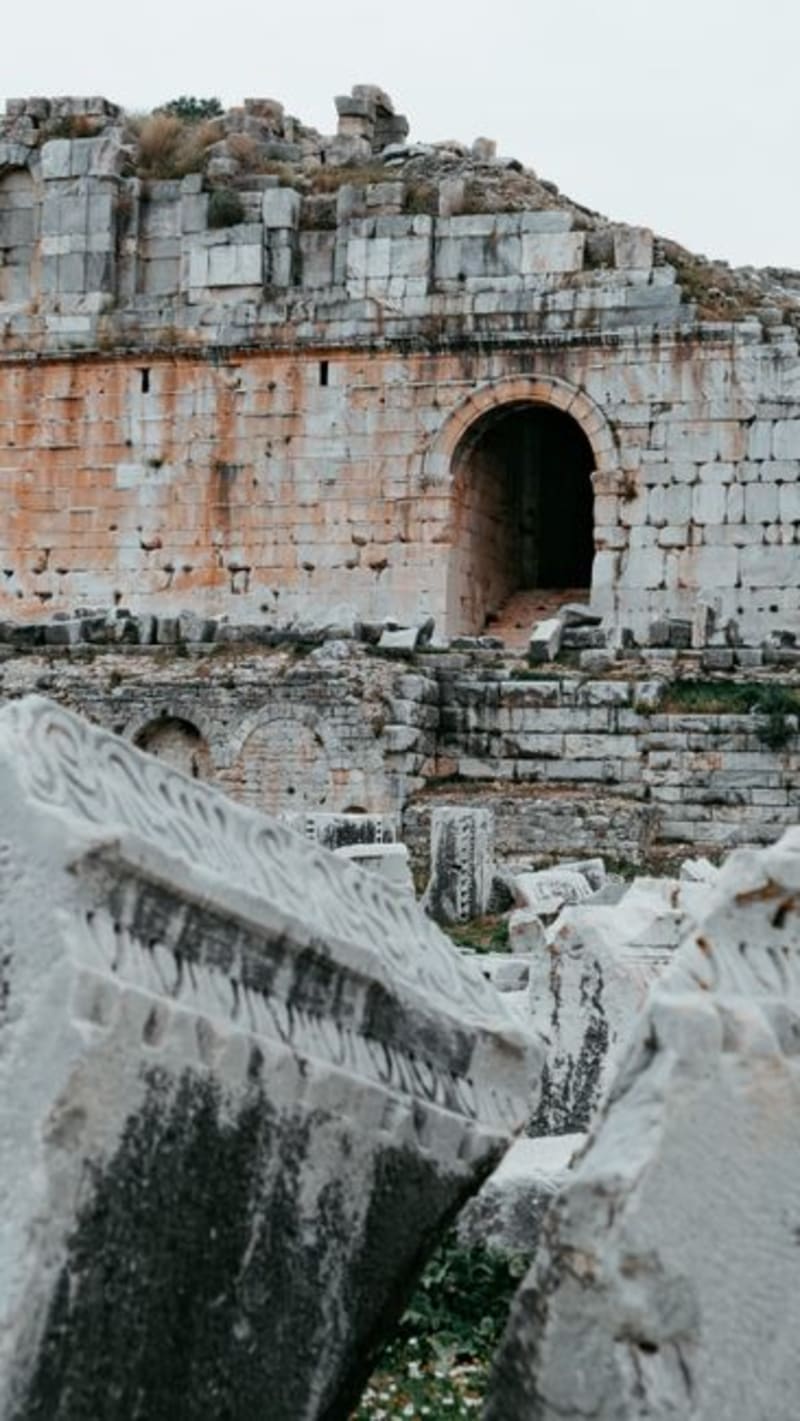 nicaragua
 León Viejo
The buried ruins of Nicaragua's first colonial capital, abandoned to earthquakes and ash in 1610 and rediscovered three centuries later at the foot of a volcano.
Explore