Jinotega
"Jinotega is the one place in Nicaragua where I reached for a sweater and meant it."
Nicaragua's coffee capital, wrapped in mist that rolls off the surrounding mountains and settles over a reservoir where the fog never fully lifts before noon.
Nicaraguans call Jinotega “La Ciudad de las Brumas” — the City of Mists — and the name is not a marketing flourish. I arrived on a minibus from Matagalpa in the early afternoon and the whole valley was wrapped in a low, grey-white cloud that clung to the hillsides and didn’t burn off until well past two. It was the first time in eight months of living in Central America that I’d felt genuinely cold outdoors, and I hadn’t packed for it. I bought a wool pullover from a stall in the market for the equivalent of four dollars and wore it every evening I was there.
A City Built on Coffee
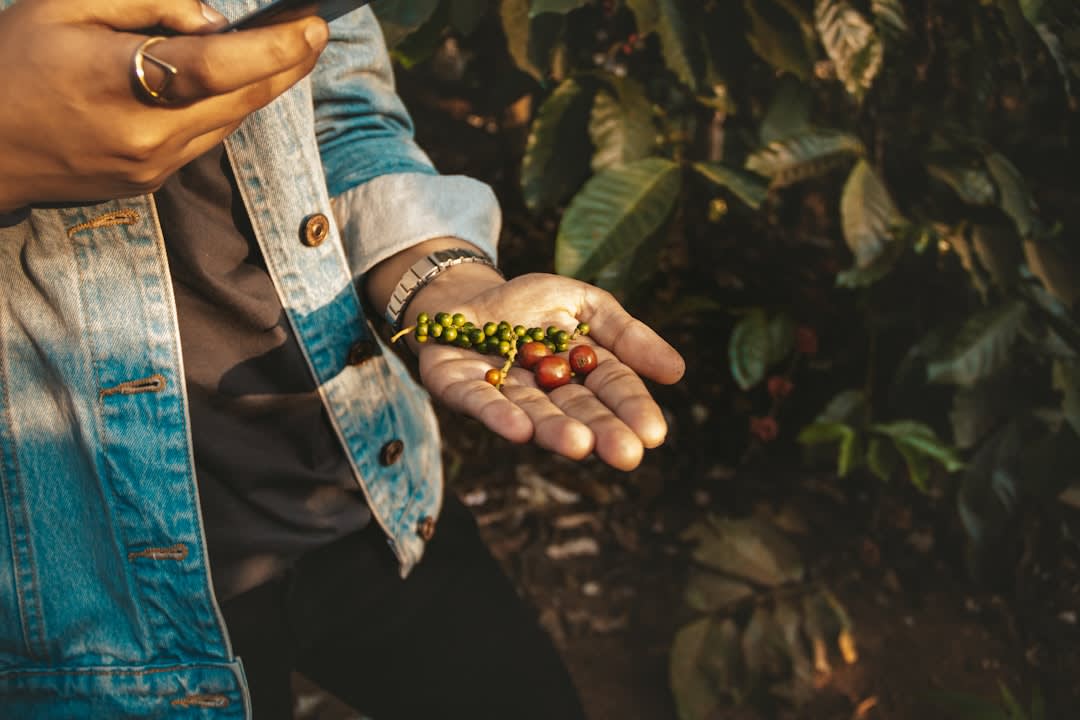
Jinotega sits at the center of Nicaragua’s most productive coffee-growing region, and the economy of the whole town runs on the harvest calendar the way a beach town runs on tides. I stayed with a family who’d been growing arabica on a small finca outside town for three generations, and the father, Don Aurelio, walked me through the rows one morning before the mist had lifted — showing me how to tell a ripe cherry by feel more than sight, since the light this time of year is too flat to trust. He handed me a handful of beans still in their red skins and told me to bite one. It was bitter and slightly sweet, nothing like the roasted version, and he laughed at the face I made. The cooler highland air, he explained, is exactly what makes the coffee here so prized — the beans mature slowly, which concentrates the sugars in a way that lowland coffee never achieves.
Lake Apanás and the Edge of the Mist
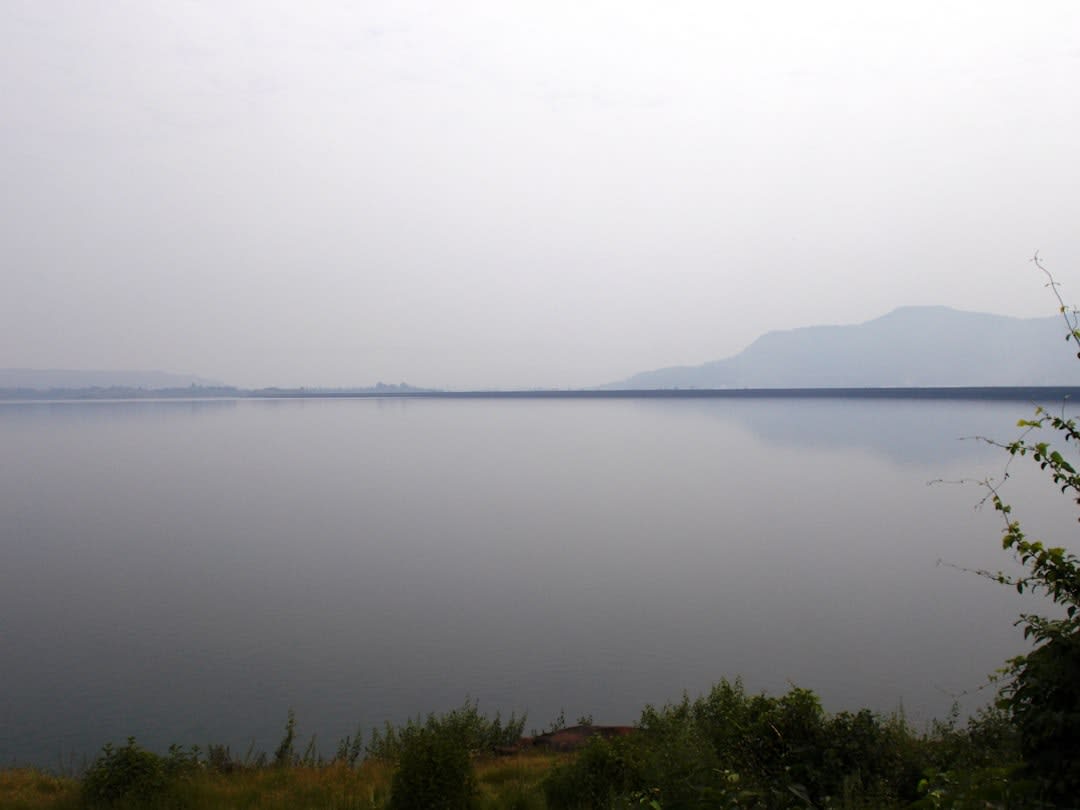
A few kilometers outside town, Lake Apanás spreads out across a wide valley — a reservoir built in the 1960s for hydroelectric power that has since become one of the more scenic, underappreciated corners of the country. I rented a rusted bicycle from my host family’s neighbor and rode out to it in the late afternoon, when the mist had thinned to something more like haze and the surface of the lake had gone the color of pewter. Fishermen were out in narrow wooden boats, working nets for guapote and tilapia, and the mountains on the far shore disappeared into cloud about two-thirds of the way up, as if someone had erased the tops with a thumb. I sat on the bank for an hour without much of a reason to, which is not something Nicaragua usually asks of you — most of the country wants you moving, sweating, doing something. Jinotega just wanted me to sit still and be a little cold.
When to go: December through February, during the coffee harvest, when farms are most active and the air is at its coolest and clearest between mist banks. Bring a jacket regardless of the season — this is the one part of Nicaragua that will surprise you with cold.
Keep exploring
More from Nicaragua
 nicaragua
 Jinotepe
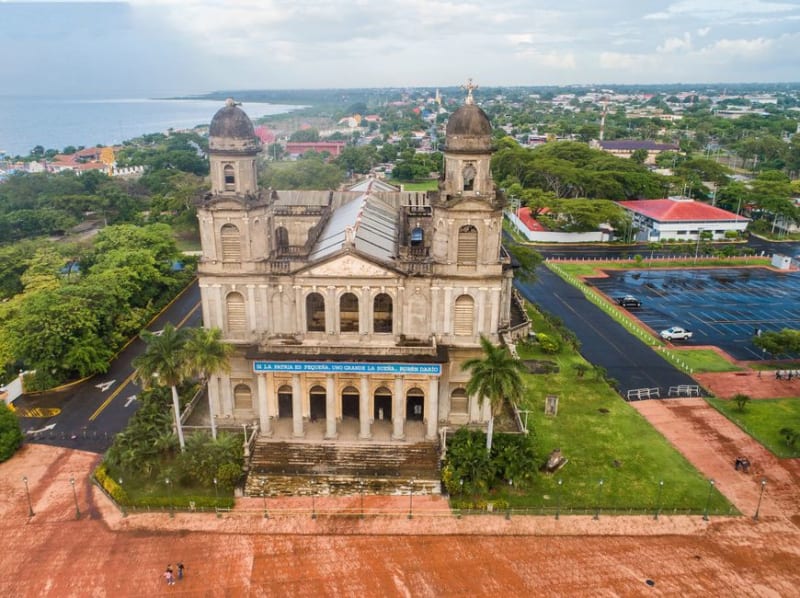
The trading capital of Carazo, a highland town with a striking cathedral where farmers, buses, and beach-bound travelers all cross paths.
Explore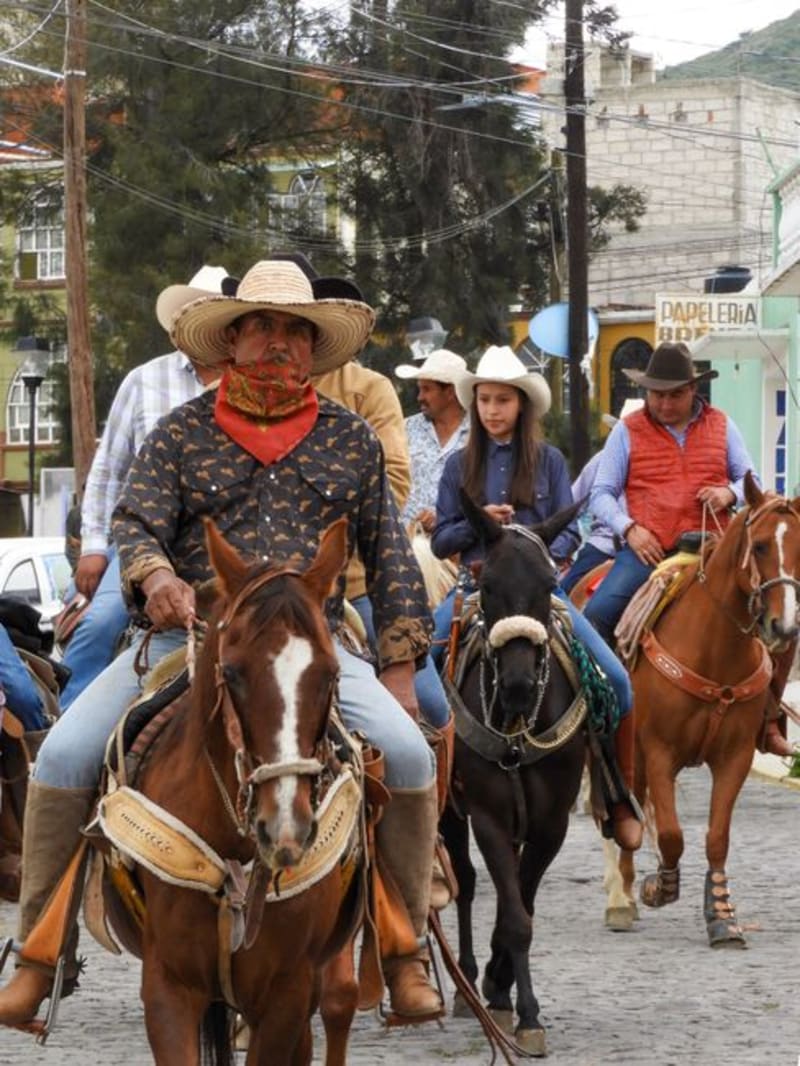 nicaragua
 Juigalpa
The cowboy capital of Chontales, where cattle ranchers in straw hats trade gossip over gallo pinto and pre-Columbian stone statues watch from the plaza.
Explore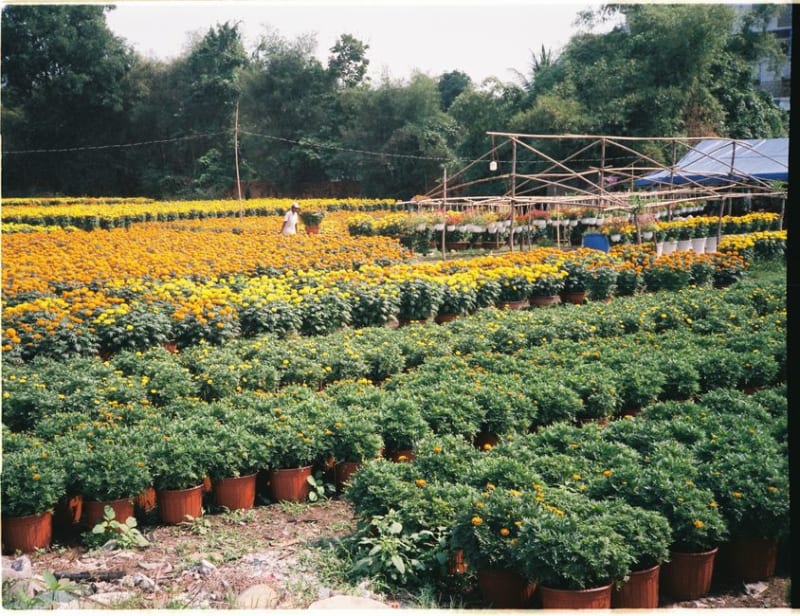 nicaragua
 La Concepción
A Pueblos Blancos town built almost entirely around flowers, where nurseries line the main road and the air smells faintly of soil and blossom.
Explore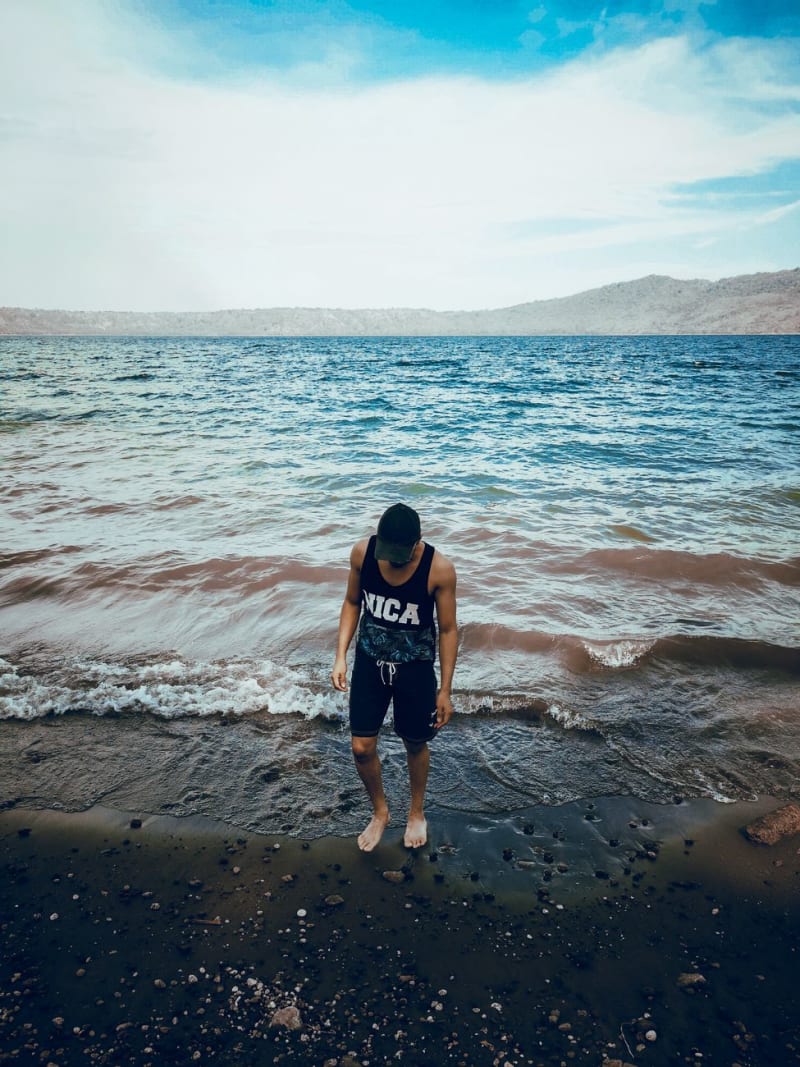 nicaragua
 Laguna de Apoyo
A flooded volcanic crater between Granada and Masaya, ringed by forest, with water so clear and warm it feels like swimming inside the earth itself.
Explore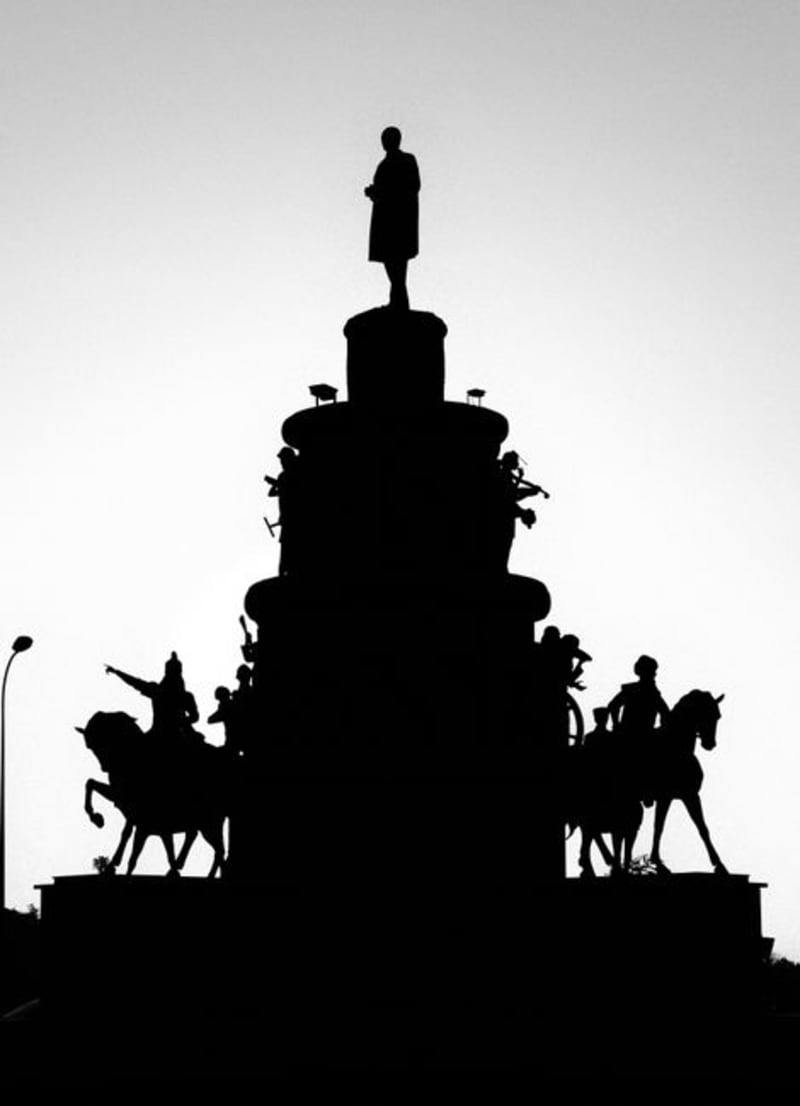 nicaragua
 Laguna de Tiscapa
A crater lagoon sitting right in the heart of Managua, watched over by a black silhouette of Sandino and crossed, if you're brave enough, by a zip-line strung over the water.
Explore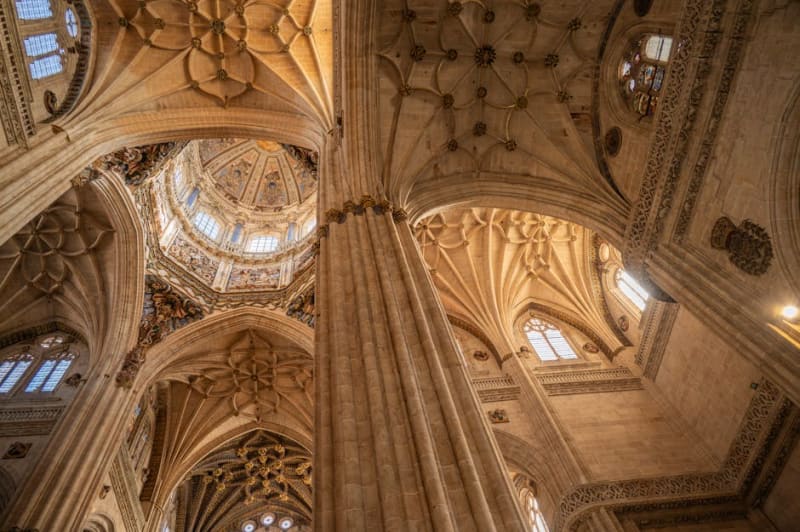 nicaragua
 Leon
Nicaragua's intellectual capital — revolutionary murals, a rooftop cathedral, and the fierce energy of a university city that has never stopped arguing.
Explore