Estelí
"Estelí doesn't perform its history for you — it just hasn't bothered to paint over it."
A highland city that smells of cured tobacco and fresh paint, where Sandinista murals cover entire blocks and the best cigars in the world are still rolled by hand.
The bus from Managua climbs for two hours before the air changes, and you feel it before you understand why: the windows go from sticky to almost cool, and the light turns flatter, less tropical. Estelí sits in a valley in the northern highlands, high enough that the heat that defines most of Nicaragua simply doesn’t arrive here in the same way. I’d read about the cigars before I came. I hadn’t read anything that prepared me for the murals.
The Murals That Won’t Let You Forget
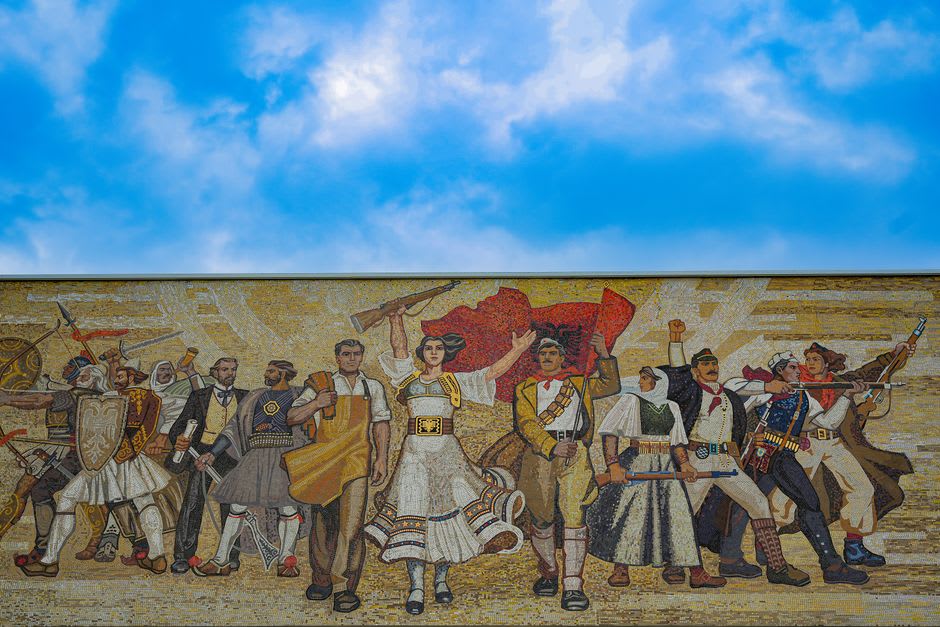
Estelí was a battleground during the revolution — bombed by the National Guard in 1978 and again in 1979, its people among the most organized Sandinista resistance in the country — and the city has never stopped talking about it. Entire building facades downtown are covered in murals: fighters with rifles raised next to campesinos with machetes, portraits of the dead beside slogans that have faded to pastel but not gone. I spent a whole morning just walking the streets around the Parque Central with no destination, tracing one wall to the next. A man selling raspados from a cart told me, without me asking, that his uncle was painted into one of them — third figure from the left, on the wall behind the old cinema. I went back to look. I couldn’t tell if he was joking.
Inside a Cigar Factory
Estelí is, without much competition, the cigar capital of Nicaragua — the tobacco grown in this valley rivals Cuba’s, and half the world’s serious cigar brands roll leaf here. I toured a small factory on the edge of town, no bigger than a warehouse, where forty or so torcedores sat at wooden benches doing work that looked less like manufacturing and more like a very fast, very precise craft. The room smelled overwhelming in the best way — sweet tobacco, wood, a faint ammonia tang from the fermentation piles stacked at the back. My guide, Rosa, had rolled cigars for eleven years before she started leading tours, and she picked up a half-finished robusto from a bench, turned it once in her fingers, and set it back down with a correction I couldn’t see but she clearly could. She let me try rolling one myself. Mine looked like a cigar the way a child’s drawing looks like a house.
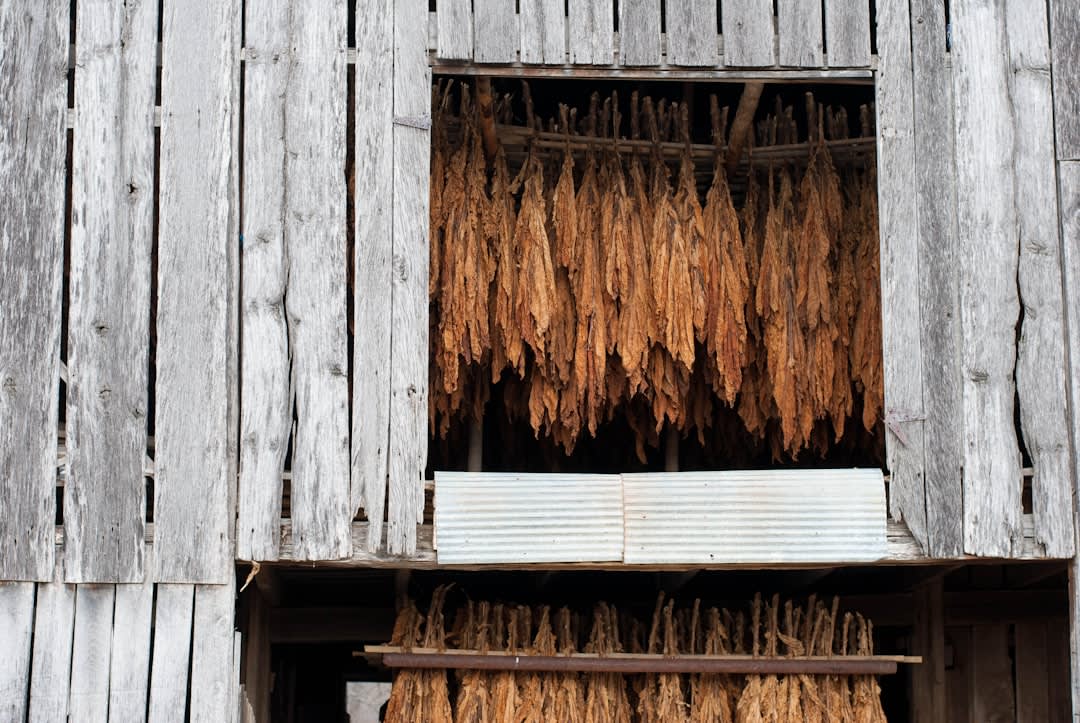
The highland climate that makes Estelí feel almost temperate is the same thing that makes the tobacco here so good — cooler nights slow the leaf’s growth and concentrate its flavor. Locals wear light jackets in the evening, something you won’t see in Granada or León, and the plaza fills at dusk with families in a way that felt less touristic and more like a town simply living its own life around you.
When to go: November through January, when the highland air is at its coolest and driest and the tobacco harvest is in full swing — factory tours are liveliest then. Avoid the peak of the rainy season (September–October) if you want to walk the murals without ducking into doorways.
Keep exploring
More from Nicaragua
 nicaragua
 Granada
One of the oldest colonial cities in the Americas — pastel facades, volcanic views, and an archipelago in the lake.
Explore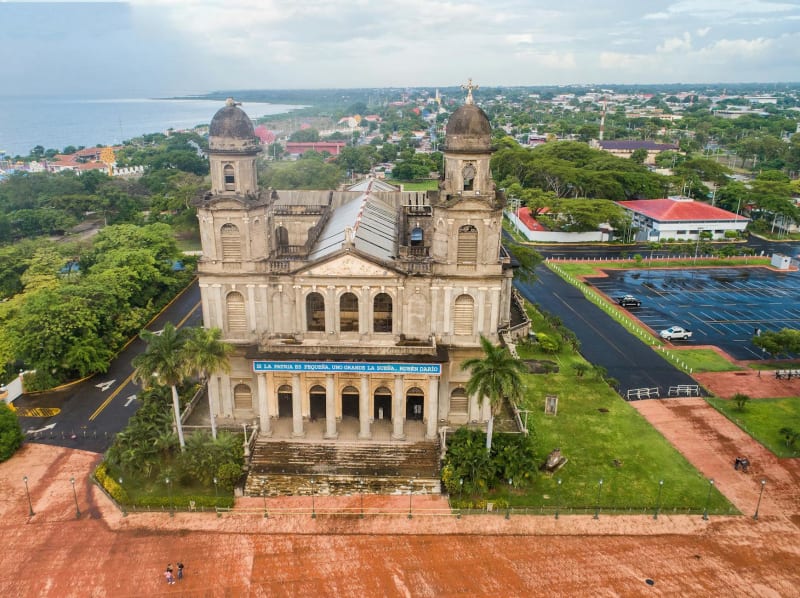 nicaragua
 Granada Nicaragua
Central America's oldest colonial city sits languid on Lake Nicaragua, its cathedral a landmark of faded grandeur.
Explore nicaragua
 Jinotega
Nicaragua's coffee capital, wrapped in mist that rolls off the surrounding mountains and settles over a reservoir where the fog never fully lifts before noon.
Explore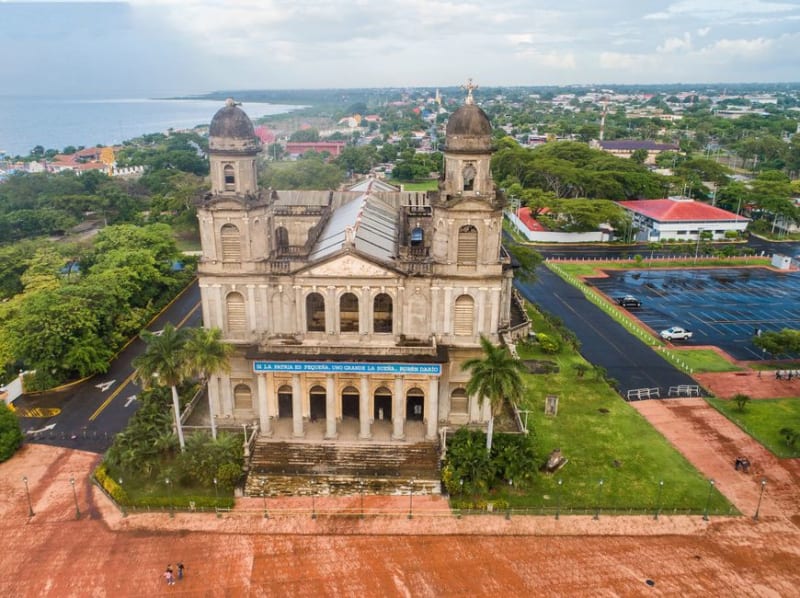 nicaragua
 Jinotepe
The trading capital of Carazo, a highland town with a striking cathedral where farmers, buses, and beach-bound travelers all cross paths.
Explore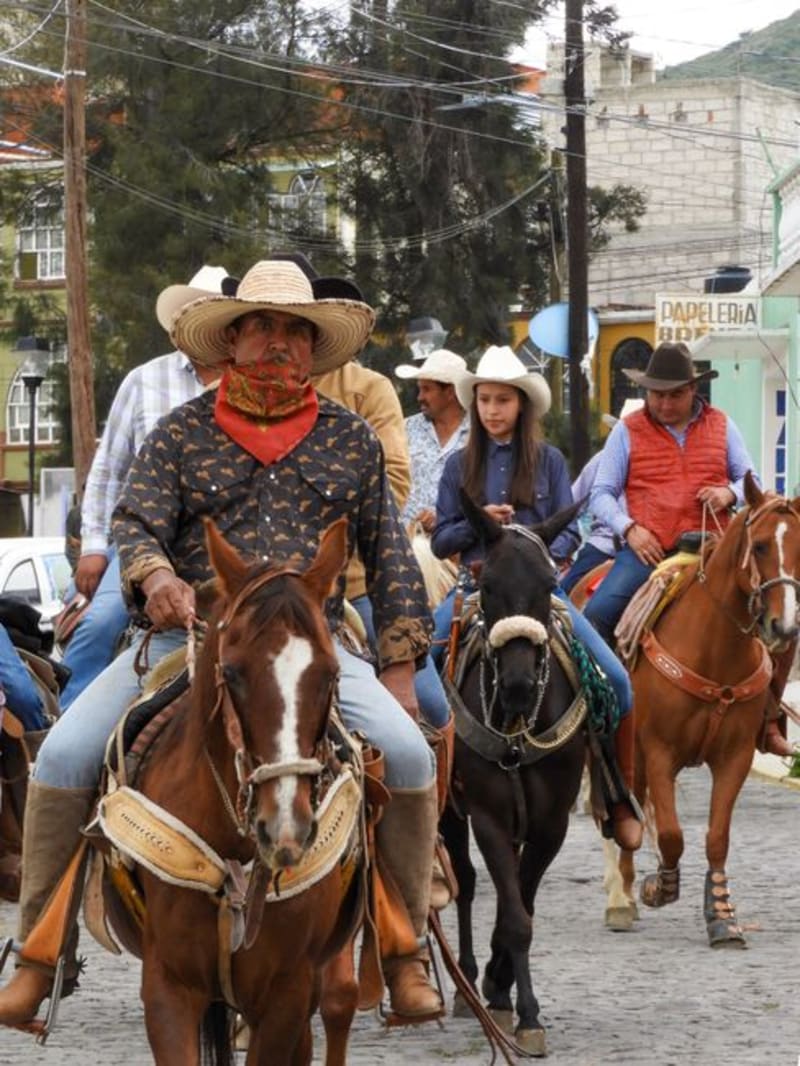 nicaragua
 Juigalpa
The cowboy capital of Chontales, where cattle ranchers in straw hats trade gossip over gallo pinto and pre-Columbian stone statues watch from the plaza.
Explore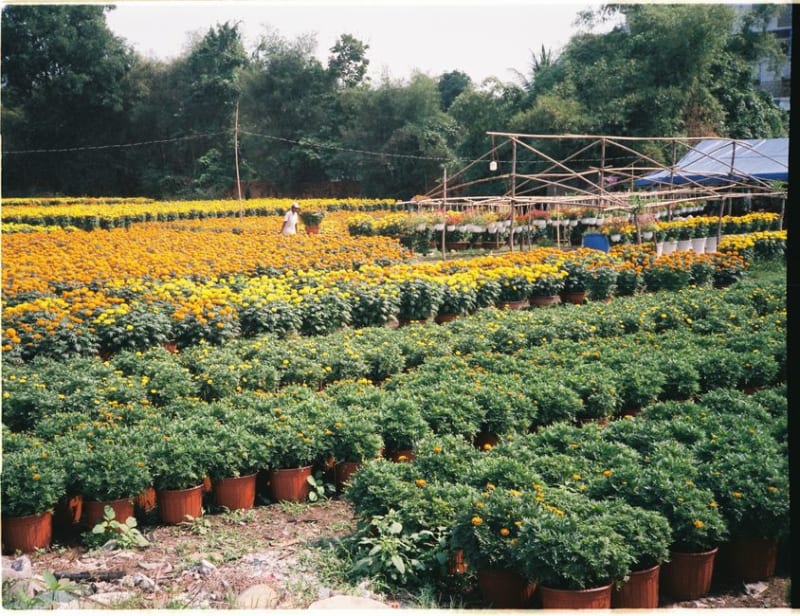 nicaragua
 La Concepción
A Pueblos Blancos town built almost entirely around flowers, where nurseries line the main road and the air smells faintly of soil and blossom.
Explore