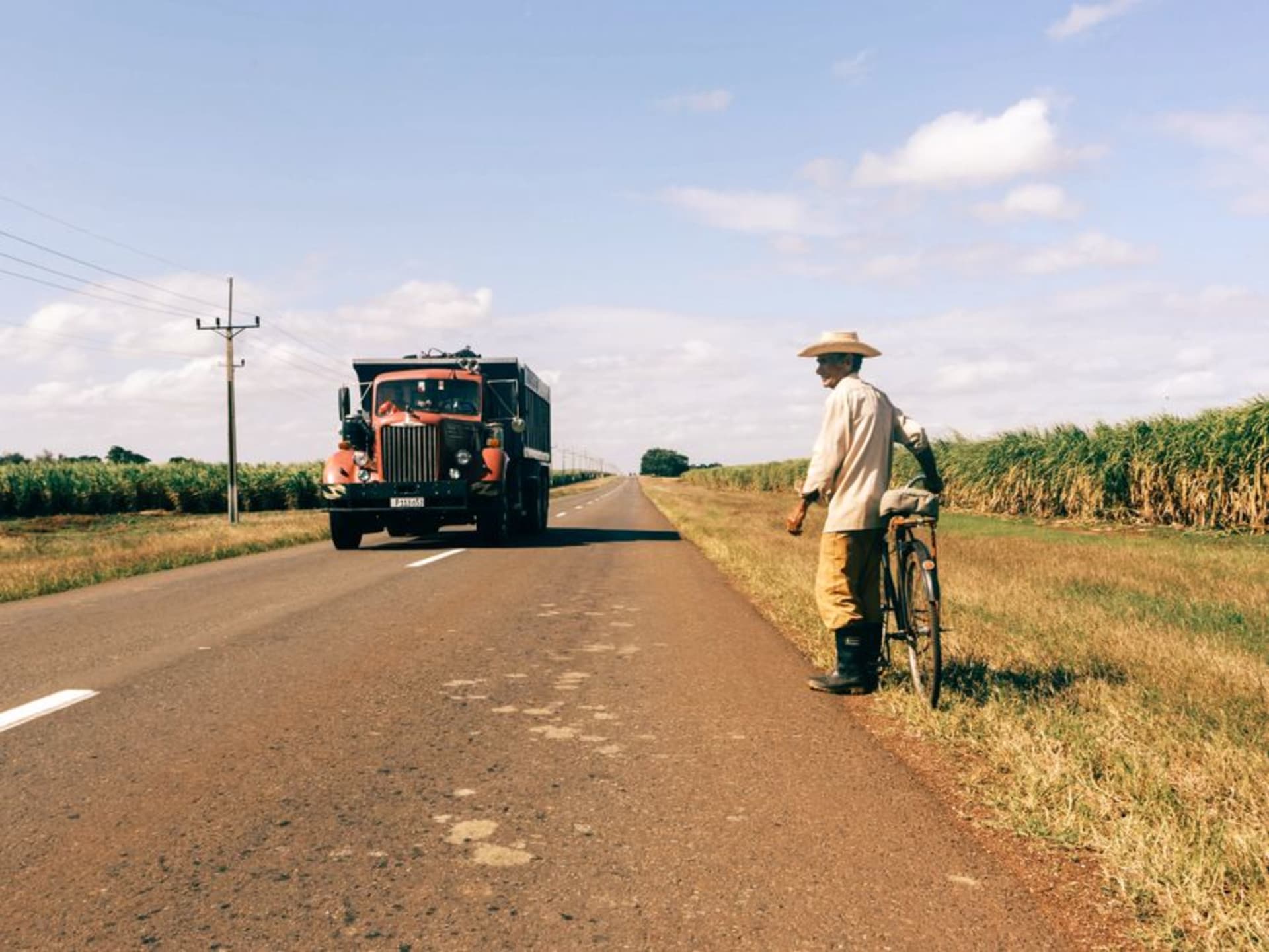
A sweltering agricultural city near the Cosigüina volcano, thick with sugarcane trucks and peanut warehouses, and the least self-conscious place I've spent a night in Nicaragua.
Nobody warned me properly about the heat in Chinandega. León had already felt hot to me, and I assumed I’d adjusted. Then I got off the bus in Chinandega at two in the afternoon and the air felt like standing in front of an open oven — a thick, low-lying lowland heat that the locals talk about the way people elsewhere talk about winter storms, as a fact of life to be managed rather than complained about. I spent my first hour there doing nothing but sitting under a fan in a comedor, drinking Fresca out of a bag with a straw stuck through it, watching sugarcane trucks rumble past loaded so high I was surprised the cane stayed on.
A city built on cane and peanuts
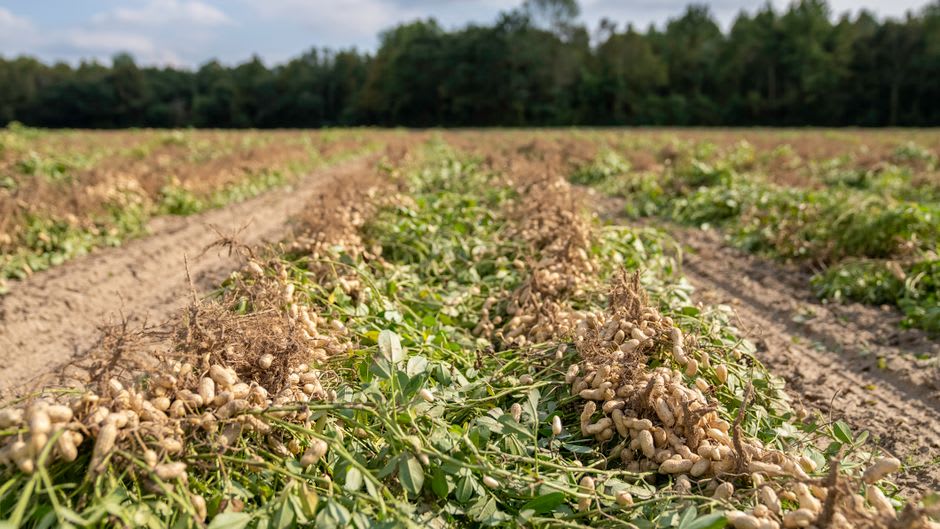
Chinandega is Nicaragua’s agricultural engine on the northwestern Pacific side, and it announces that fact constantly. This is sugarcane country — the surrounding fields feed some of the country’s largest processing operations, and during harvest season the roads in and out of town are dominated by trucks stacked absurdly high with freshly cut cane, trailing bits of stalk behind them like a paper trail. Peanuts are the other major crop, grown across the flat, hot lowlands around the city and processed and exported in volumes that surprised me when a local told me the numbers. There is no pretense of tourism infrastructure here. The hotels are built for traveling agronomists and cargo drivers, not backpackers, and I liked that honesty.
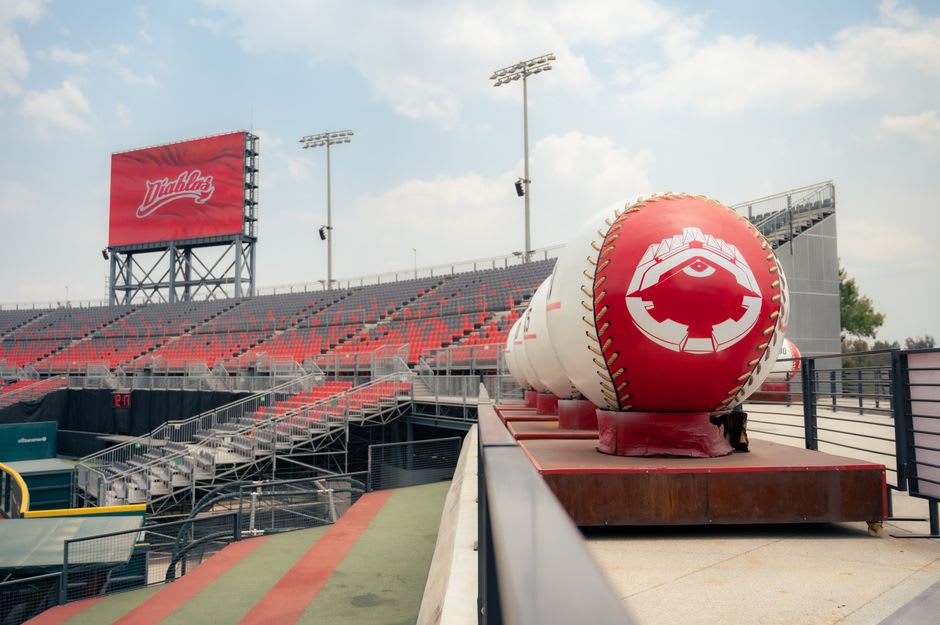
What eventually won me over was the market and the food, both loud and entirely unfiltered for outsiders. I ate one of the best plates of vigorón I had in the entire country from a stall run by a woman who barely looked up from her radio to serve me, and spent an evening at a local baseball game — baseball, not soccer, is the sport that actually matters in this part of Nicaragua — surrounded by families who treated a Thursday-night regional match like it was the World Series.
The estuary at the edge of town
Just west of the city, the Estero Real mangrove estuary spreads out toward the Gulf of Fonseca, one of the largest mangrove systems on Central America’s Pacific side and an important nursery for shrimp and fish that feed both the local economy and, less happily, the shrimp-farming operations that have carved into parts of the wetland. A boat trip through the channels there, with herons lifting off the mangrove roots as we passed, was a completely different Nicaragua from the sweating market streets I’d just left — quiet, humid in a gentler way, and clearly a place most travelers never think to look for.
When to go: Dry season, November to April, is more bearable, though “more bearable” in Chinandega is a relative term — this is consistently one of the hottest cities in the country. If you can, visit early morning or evening and avoid being outside between noon and three.