Carazo Coast
"The Carazo coast is where I finally understood why Pierre keeps telling people Nicaragua's Pacific beats San Juan del Sur."
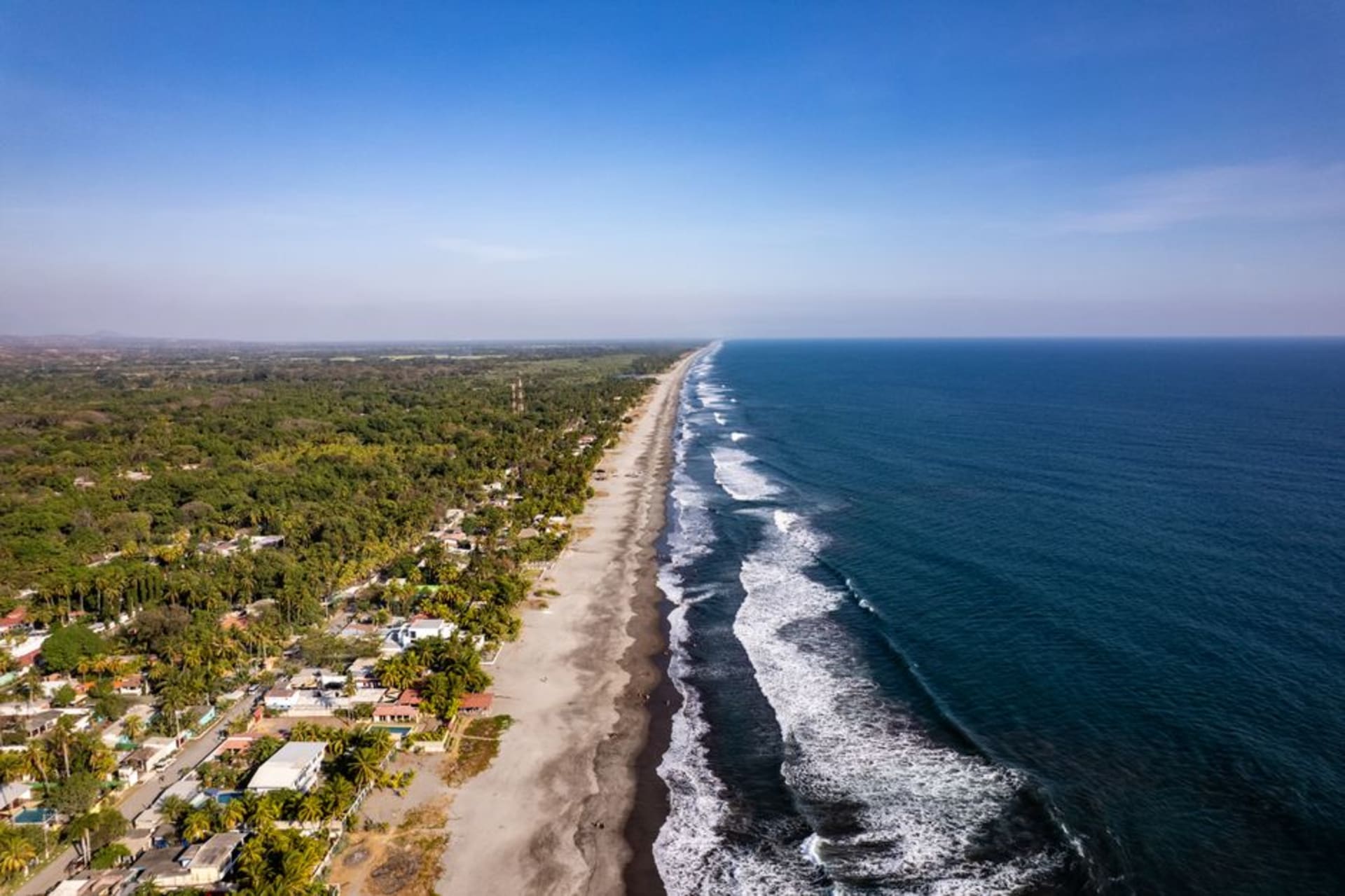
A stretch of Pacific beaches below the Carazo highlands, from La Boquita to Casares, where cliffside views meet small fishing-village life.
The road down from Jinotepe to the coast drops through green highland farmland and then, all at once, opens onto cliffs and grey-gold sand and a wind coming straight off the Pacific strong enough to make conversation difficult. I’d come looking for La Boquita specifically, on a recommendation from a bus driver who said it was where Managua families go when they actually want quiet, not a party scene. He wasn’t wrong.
Fishing villages first, beach towns second
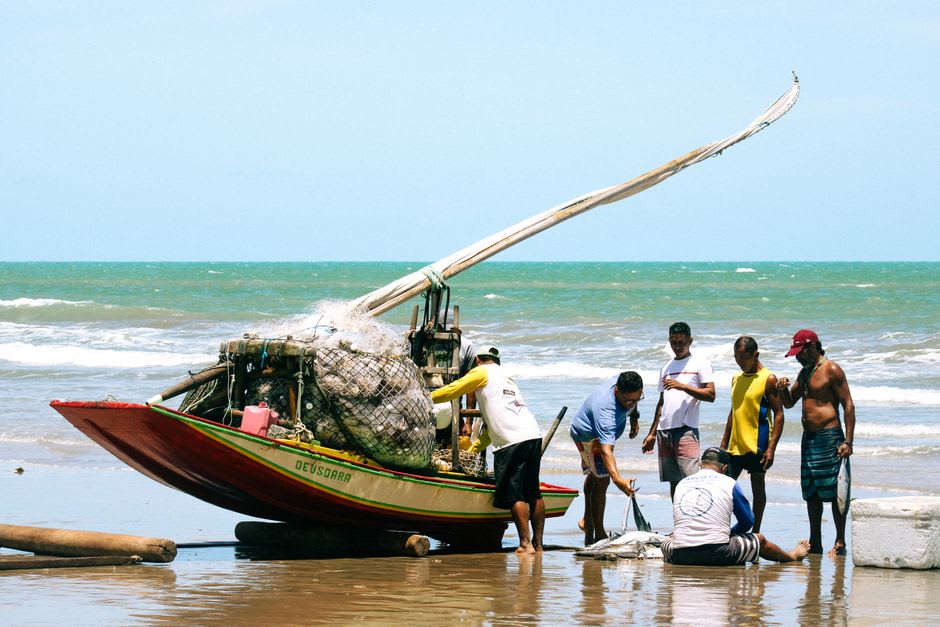
What distinguishes the Carazo coast from Nicaragua’s more famous surf towns further south is that fishing, not tourism, still sets the rhythm of daily life here. In Casares, I watched pangas come in early in the morning, their catch unloaded straight onto the sand and sorted by a crowd of women who clearly had a system worked out over years — snapper here, shrimp there, whatever the smaller fish were going straight into a bucket destined for someone’s home kitchen. Restaurants along this stretch serve what came in that morning, sometimes literally that hour, grilled simply with lime and served with tostones. I ate a whole red snapper at a plastic table twenty feet from where it had been caught, and it remains one of the best meals I’ve had in the country.
Cliffs, tide pools, and the space between towns
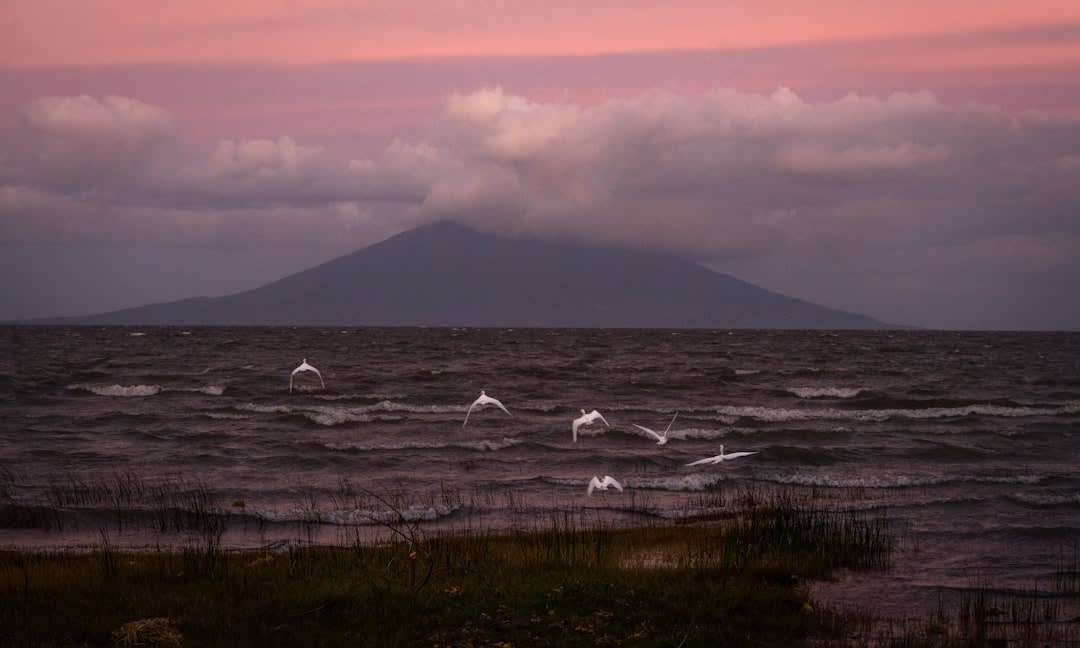
The coastline connecting La Boquita and Casares isn’t a continuous strip of development — it’s mostly cliffs, scrubby coastal forest, and stretches of empty beach accessible only by walking or by the occasional dirt track. I spent an afternoon scrambling along volcanic rock formations at low tide, finding tide pools full of small crabs and anemones, with nobody else in sight for the better part of an hour. From certain points on the cliffs, the view stretches far enough down the coast that you can watch weather systems moving in from the ocean before they arrive, dark curtains of rain visible from a distance while you’re still standing in sun.
There is development creeping in — a handful of weekend homes for Managua families, a few small hotels — but it remains modest and scattered rather than concentrated, and the fishing-village character has not been displaced by it. This is a coast that rewards slow movement between towns rather than a single fixed base, letting the cliffs, the empty beaches, and the occasional working harbor do the talking.
When to go: November through April for the driest weather and calmest seas; weekdays are notably quieter than weekends, when Managua families make the drive down for day trips.
Keep exploring
More from Nicaragua
 nicaragua
 Catarina
A hilltop Pueblos Blancos town whose mirador drops straight down into the turquoise crater lake of Laguna de Apoyo.
Explore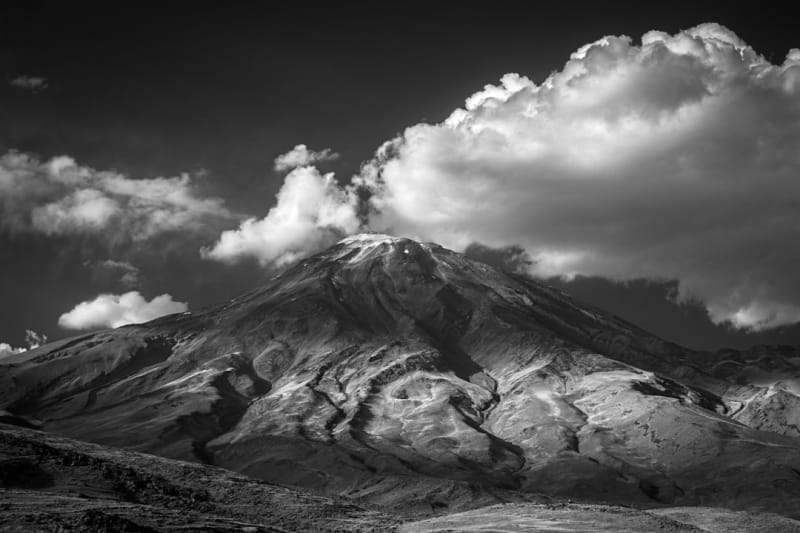 nicaragua
 Cerro Negro
A jet-black, still-growing cinder cone near León where the main activity isn't hiking up — it's strapping to a plywood board and sliding back down at speed.
Explore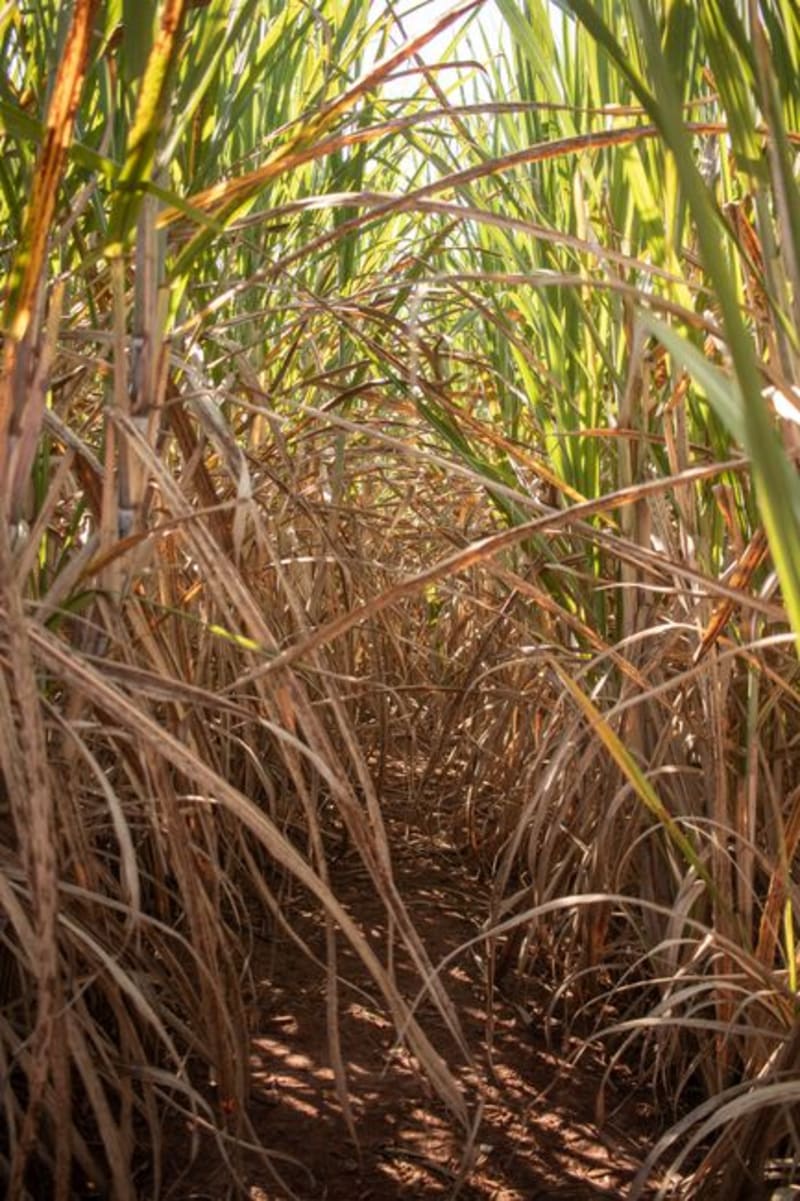 nicaragua
 Chichigalpa
A hot, unglamorous sugarcane town near Chinandega that happens to produce one of the finest rums in the Americas, aged in a warehouse older than most Nicaraguan cities' road networks.
Explore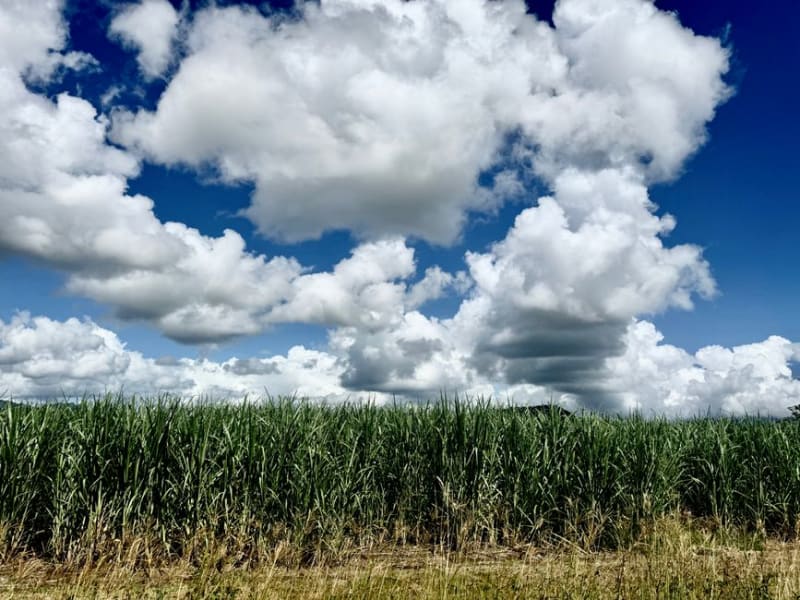 nicaragua
 Chinandega
A sweltering agricultural city near the Cosigüina volcano, thick with sugarcane trucks and peanut warehouses, and the least self-conscious place I've spent a night in Nicaragua.
Explore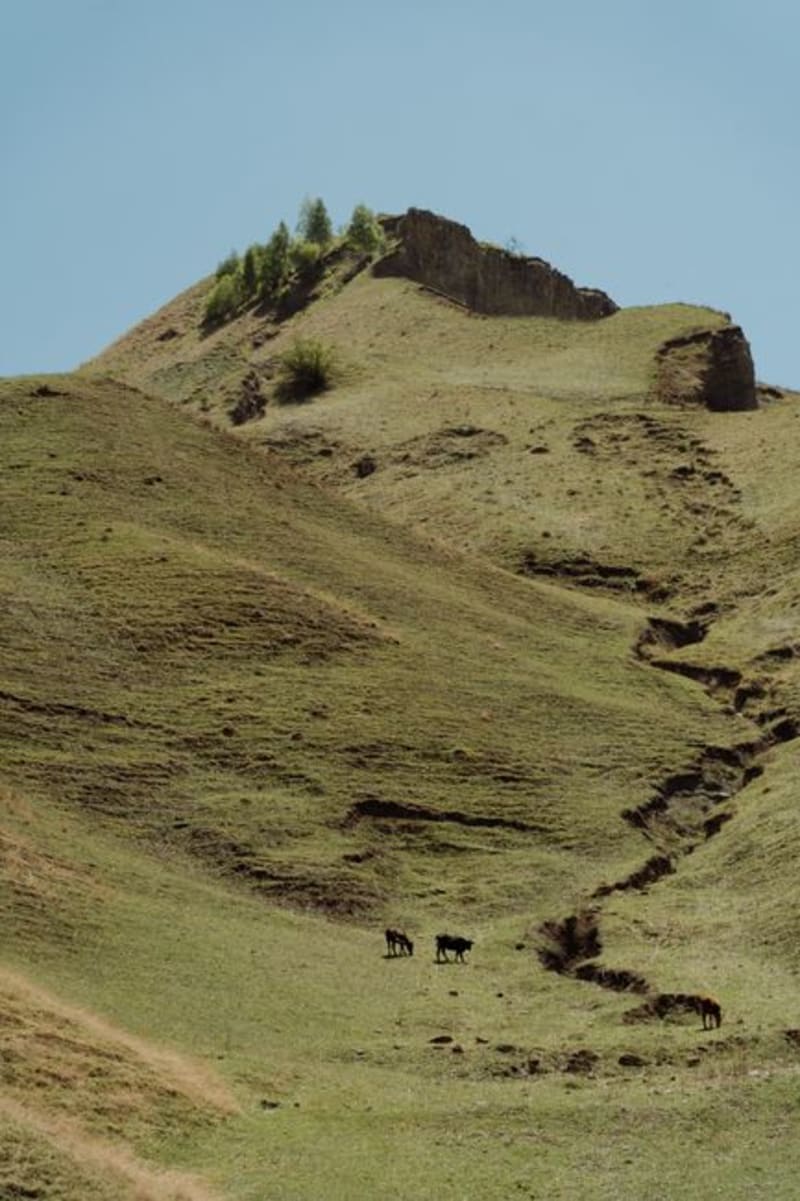 nicaragua
 Chontales
Rolling cattle-ranching savanna east of Lake Nicaragua, where cowboy folk music and open pastureland define a department most travelers only ever drive through.
Explore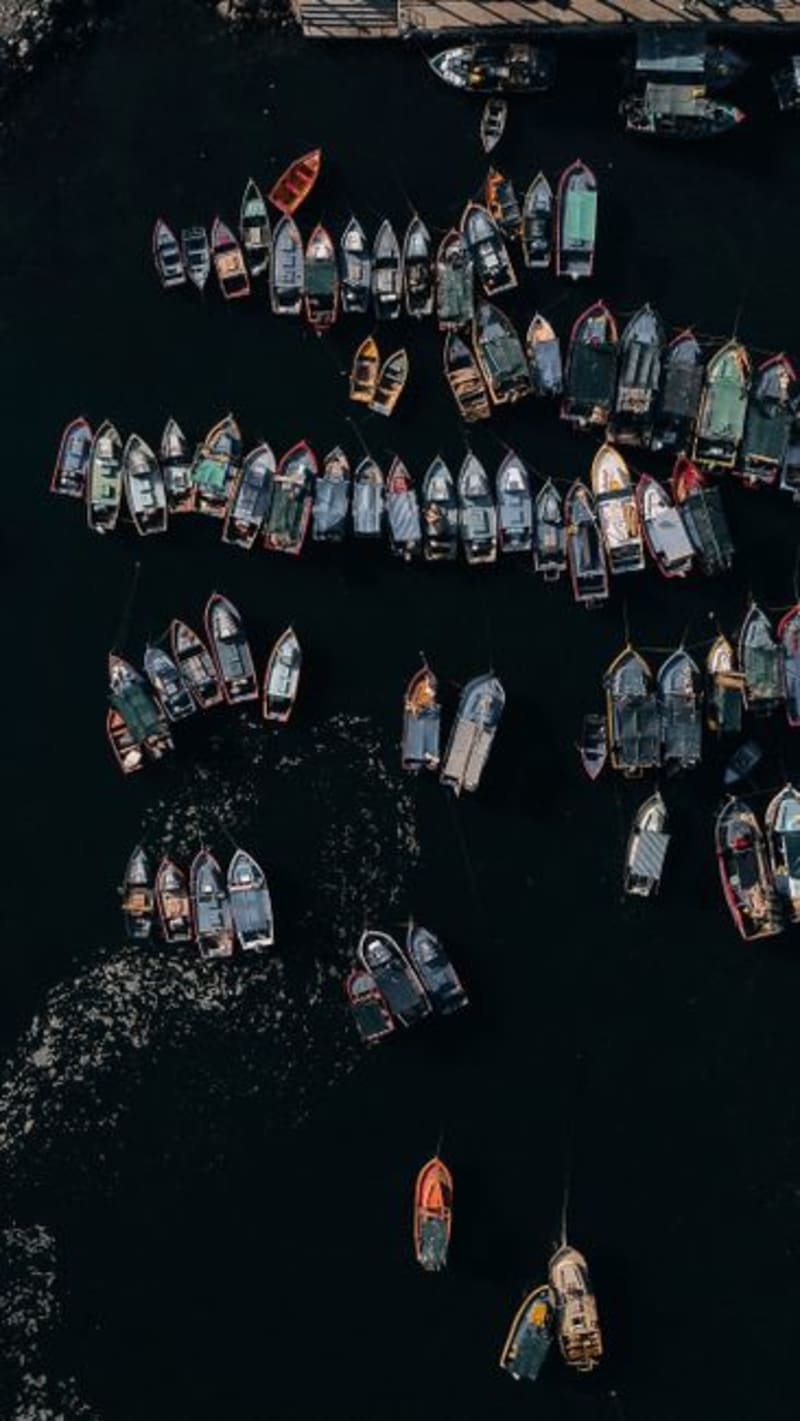 nicaragua
 Corinto
Nicaragua's only deep-water Pacific port, a narrow island town stitched to the mainland by a causeway, where container ships and wooden fishing boats share the same horizon.
Explore