Corn Islands
"Big Corn moves slowly enough that the lobster has time to get fresh before it reaches your plate."
Big Corn Island's Caribbean culture and lobster dinners reward the effort of getting to Nicaragua's forgotten coast.
The La Costena prop plane drops below the clouds and suddenly there it is — a green smudge ringed in turquoise, sitting in open Caribbean water with nothing between it and Jamaica but a few hundred miles of empty sea. I had spent two days navigating Managua and Bluefields just to reach this departure gate, and I still wasn’t sure if it was worth it. It was.
The Weight of Getting Here
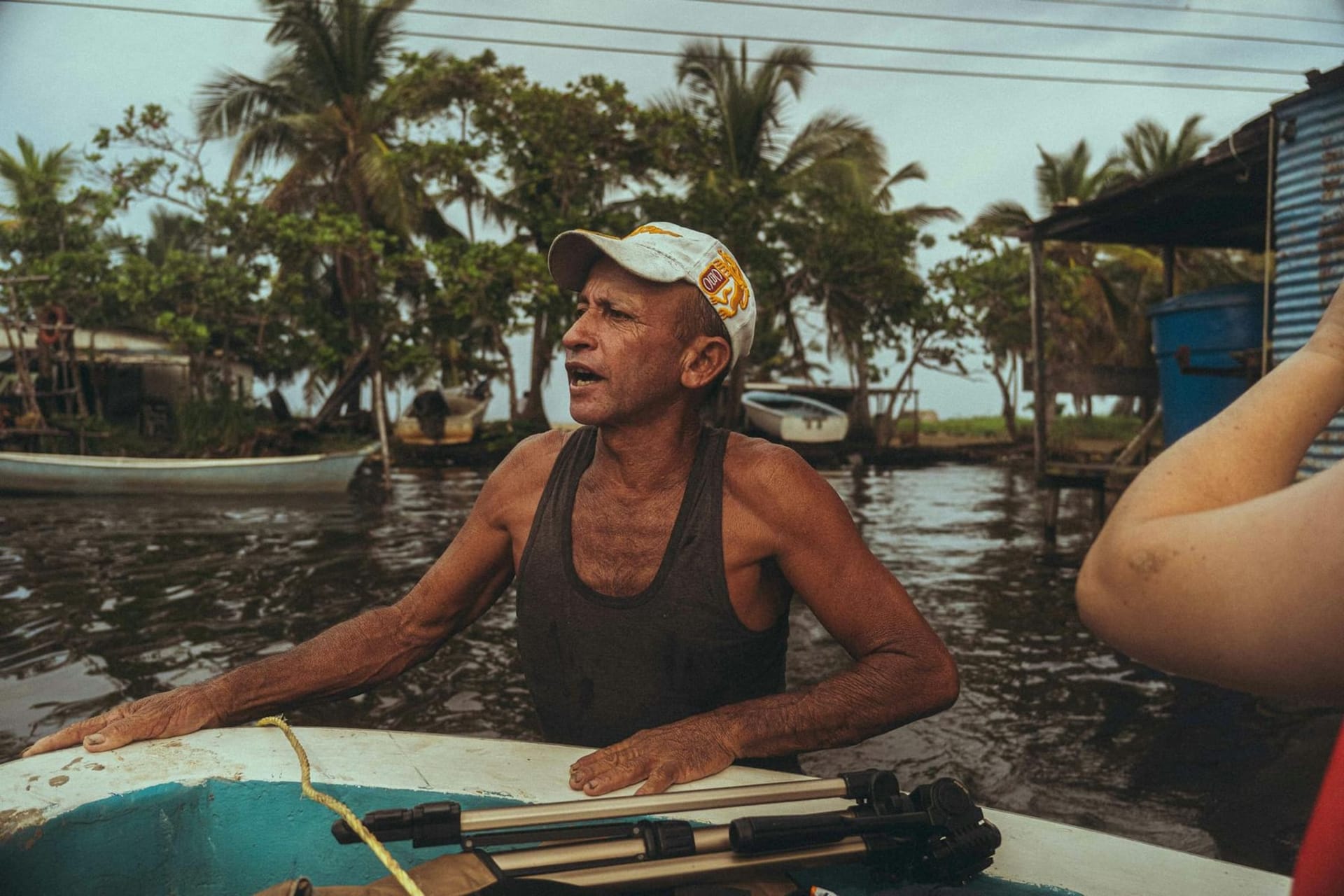
Most people quit before Big Corn. The overland route through Bluefields involves a bus, a boat across the lagoon, and a guesthouse that smells of mildew and ceiling fan grease. The flight is thirty minutes and costs around forty dollars. Either way, the effort is the point. The island selects for patience. The tourists who arrive tend to stay longer than planned, slowing down to match the rhythm of the place, where fishermen pull lobster traps in the early morning light off Southwest Bay and nobody seems troubled by the absence of a schedule.
Brig Bay, the main settlement, is one road of painted wooden houses, a couple of small supermarkets, and a dock where the weekly ferry from the mainland unloads rice, cooking gas, and occasionally a motorcycle. The smell is diesel and brine and something floral I never identified — some tree near the water that bloomed quietly all week.
Lobster for What It Costs Elsewhere to Rent a Scooter
Lia found the restaurant, which is typical. A woman named Miss Ingrid runs a few plastic tables under a corrugated roof near Picnic Center beach, no sign, no menu posted — you ask what she has and she tells you lobster. It arrives split and grilled over coconut husks, with rice and beans cooked in coconut milk, and a wedge of lime. We ate there three evenings in a row and paid roughly eight dollars each time.
The unexpected discovery came on our second day: snorkeling off the northeast tip, past the reef shelf, I drifted into a school of permit fish so dense I couldn’t see through them. They parted around me with complete indifference, flashing silver in the green water, and for about ninety seconds I forgot everything I had been thinking about.
The reef here is still largely intact. The coral gardens off Sally Peachie on the far end of the island are shallow enough to explore without a tank, vivid enough to make the mainland feel very far away — which it is.
How Time Moves
By the third day I had stopped checking my phone for the time. There is a cadence to Big Corn that reasserts itself whether you want it to or not: coffee before the heat, water before noon, a hammock somewhere in the afternoon, dinner when Miss Ingrid’s grill is lit. The island is small enough — about four square kilometers — to walk across in an hour, though nobody seems to walk anywhere in particular.
When to go: February through May offers the clearest water and the least rain, with good visibility for snorkeling and a reliable breeze that cuts the Caribbean heat. Avoid September and October when the Atlantic hurricane season brings swells and intermittent rough crossings from Bluefields.