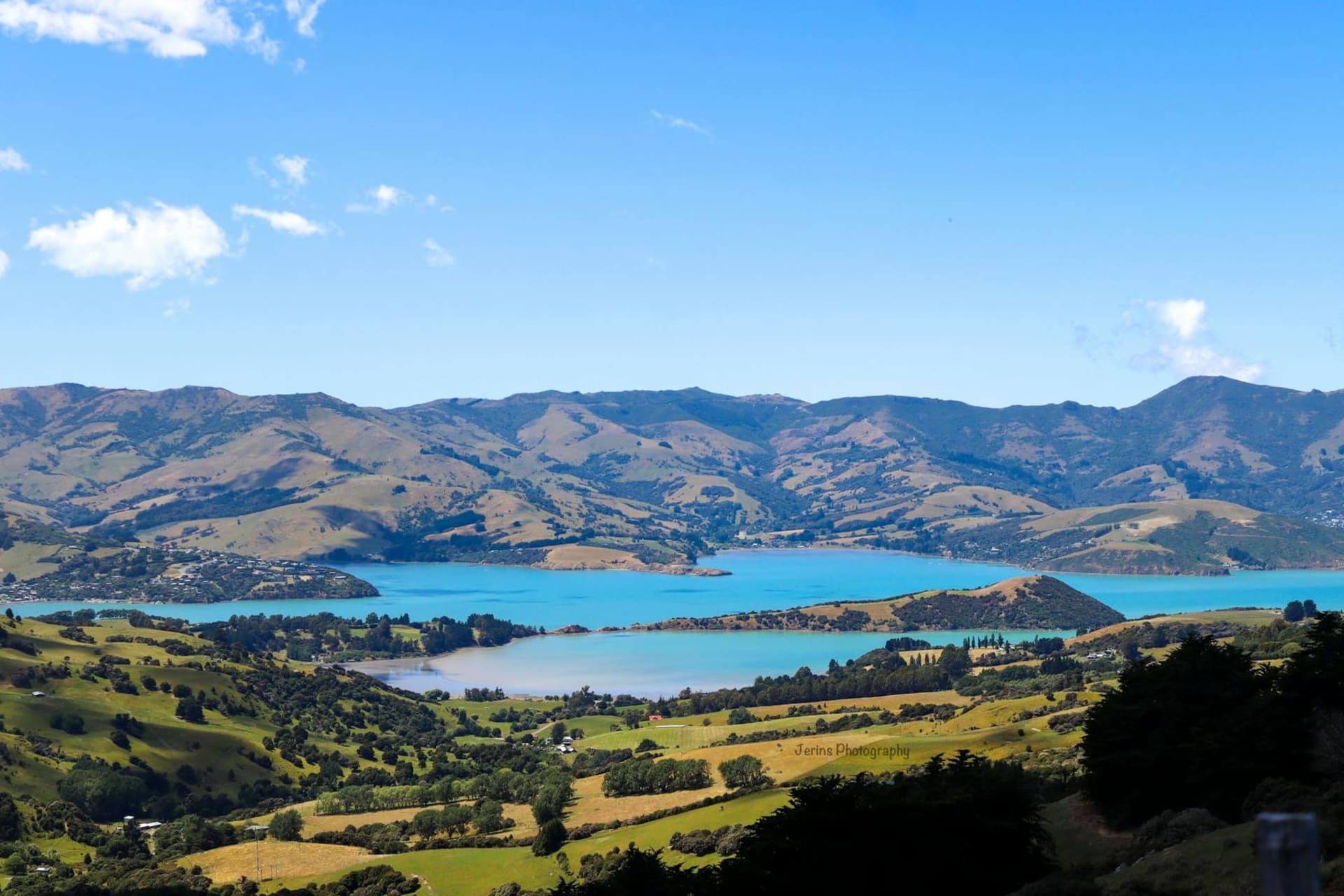
144 islands scattered across turquoise water where the Treaty of Waitangi was signed — New Zealand's birthplace.

I counted them once, or tried to. One hundred and forty-four islands, the brochure said. From the ferry crossing out of Paihia I lost track somewhere around a dozen — the light on the water kept interrupting me, that particular Northland shimmer that turns the bay into something between a mirror and a mirage. Lia pressed her shoulder against mine and said nothing, which is how we say this is enough.
The Weight of Waitangi
The Treaty Grounds at Waitangi sit at the edge of the bay with a quietness that history rarely earns. I walked the wooden boardwalk above the mangroves at low tide and felt the mud-smell of them rise — something ancient and marine, like the sea exhaling. The carved meeting house, Te Whare Runanga, stopped me cold. The facade is every iwi’s story told at once: faces emerging from wood in patterns I had no grammar for, only instinct. A Maori cultural guide named Hemi spent twenty minutes explaining a single panel to me. I left understanding less than when I arrived, which felt like the correct result.
The flagpole on the hill above — the one they have raised and cut down and raised again across two centuries of grievance and negotiation — looks ordinary until you know what it has survived. Then it looks like a scar that healed clean.
Out on the Water
We hired a small boat from Opua for half a day, no itinerary, which is the only honest way to see a bay made of islands. The channel between Moturua and Urupukapuka smelled of salt and warm rock. We anchored in a cove where the water was shallow enough to see the sand shift in the current. There is a dolphin population here, common and bottlenose both, and I was told they appear often enough that disappointment is rare. What no one mentioned: that seeing them from water level, in a small boat, close enough to hear the breath clearing their blowholes, produces something closer to vertigo than delight. I was not prepared for that.
We ate lunch on deck — a bag of green-lipped mussels we’d bought that morning at a roadside stall near Kerikeri, still steaming in their paper — and I thought about how a place can feed you in more than one direction at once.
Russell at the End of the Day
The oldest European settlement in New Zealand is quieter than that title implies. Russell is a single main road, Christ Church with its musket-ball scars still visible in the wood, a few old cottages painted the colors of faded napkins. I had a cold Speight’s at the Duke of Marlborough, which claims to hold New Zealand’s oldest liquor license, watching the light drain out of the bay in shades of copper and pale green. It was the hour when everything slows down to prove it happened.
When to go: December through March brings warm water and long evenings, ideal for sailing and snorkeling. Shoulder season in October and November offers calmer crowds without sacrificing much warmth.
Keep exploring
More from New Zealand
 new-zealand
 Coromandel
A rugged peninsula of forest-backed beaches, natural hot water, and a gold rush history hidden in the hills.
Explore new-zealand
 Coromandel Peninsula
A North Island beach where thermal water pushes through the sand at low tide and you dig your own hot pool.
Explore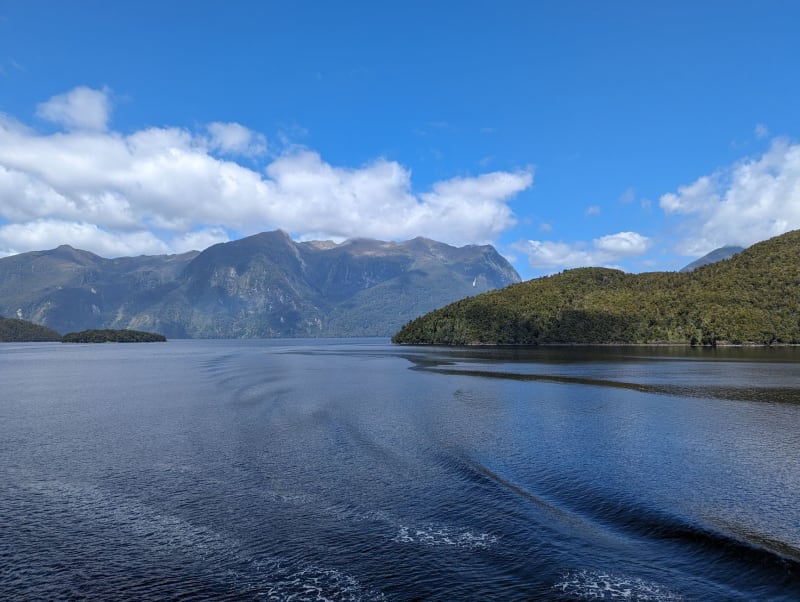 new-zealand
 Doubtful Sound
A deeper, darker and ten times larger fiord than Milford Sound in Fiordland, reached by boat across a hydro lake.
Explore new-zealand
 Fiordland
Doubtful Sound and the wild Fiordland — rainforests tumbling into fjords where dolphins surf the boat wake.
Explore new-zealand
 Hobbiton
A film set that became a permanent village in the Waikato hills, where Middle-earth is real and the Green Dragon serves ale.
Explore new-zealand
 Milford Sound
A fiord of vertical cliffs, permanent waterfalls, and rain so frequent it becomes part of the beauty.
Explore