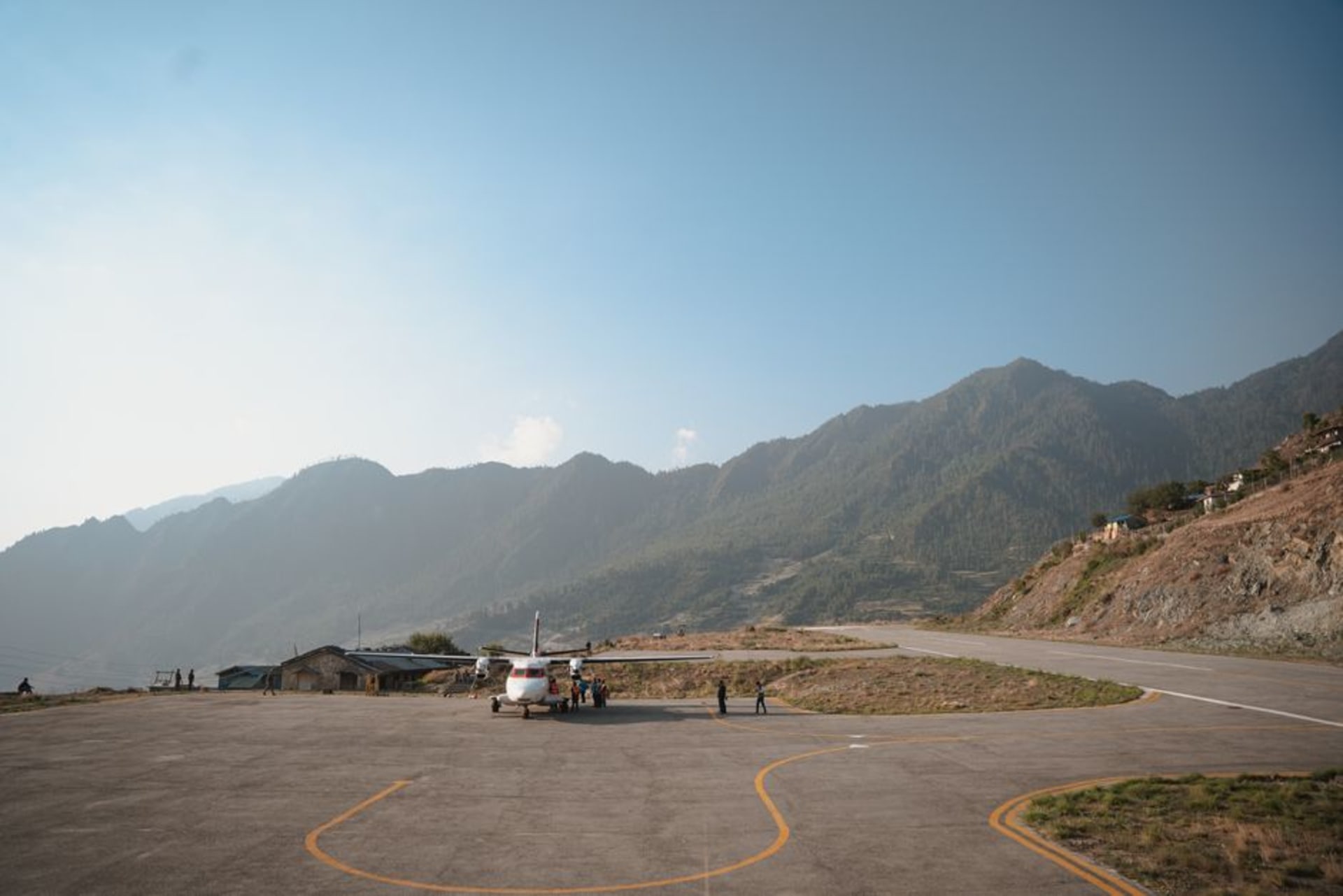
Tarkeghyang
"Helambu gets called the easy trek, the beginner trek, the one you do when you don't have time for the real thing. Tarkeghyang made me stop using that word."
The largest Sherpa village in the Helambu region, a cluster of carved wooden houses and prayer wheels around a 700-year-old monastery, reached by a trail with almost none of the foot traffic of the bigger-name treks.
Helambu has a reputation problem. It’s marketed as the trek you do when you don’t have the time or fitness for Everest or Annapurna — a lower-altitude, gentler alternative for people on a tight schedule. What that framing misses is Tarkeghyang, the largest and oldest Sherpa settlement in the region, a village of dark-timbered houses with elaborately carved windows arranged around a monastery that locals date to the fourteenth century. I went in with modest expectations and left thinking Helambu deserves better than its consolation-prize reputation.
A different Sherpa culture
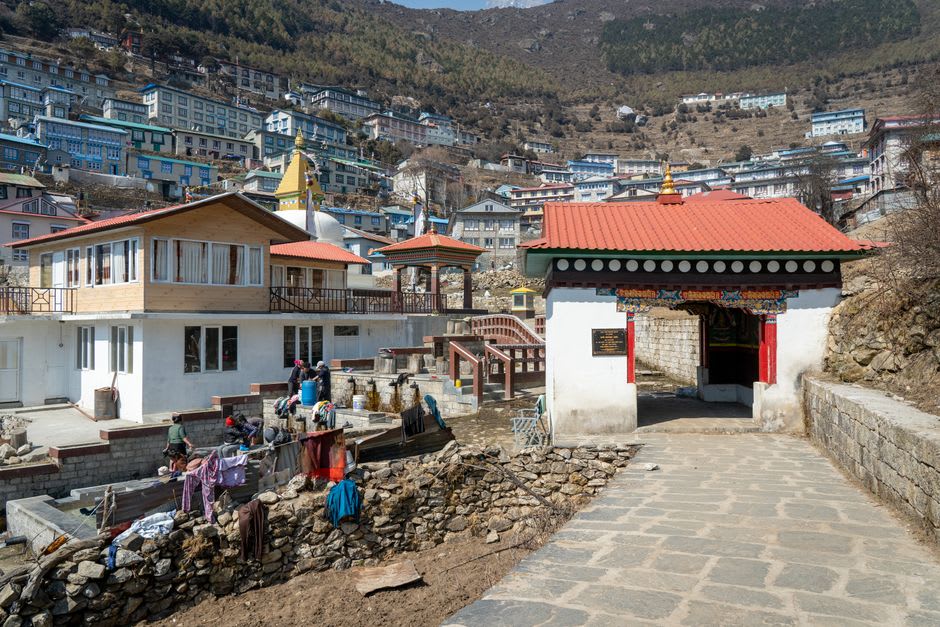
The Sherpa communities of Helambu settled here separately from the Solukhumbu Sherpa lineage near Everest, and the cultural texture in Tarkeghyang feels distinct — its own dialect, its own architectural style, houses built with heavy timber framing and carved lattice windows that look more Tibetan than anything I saw further east. The gompa at the village center holds Buddhist festivals throughout the year, and when I passed through, an elderly monk let me sit at the back during afternoon prayers, the low rhythm of chanting and horns filling a room lit only by butter lamps and whatever daylight came through the door.
The trail in
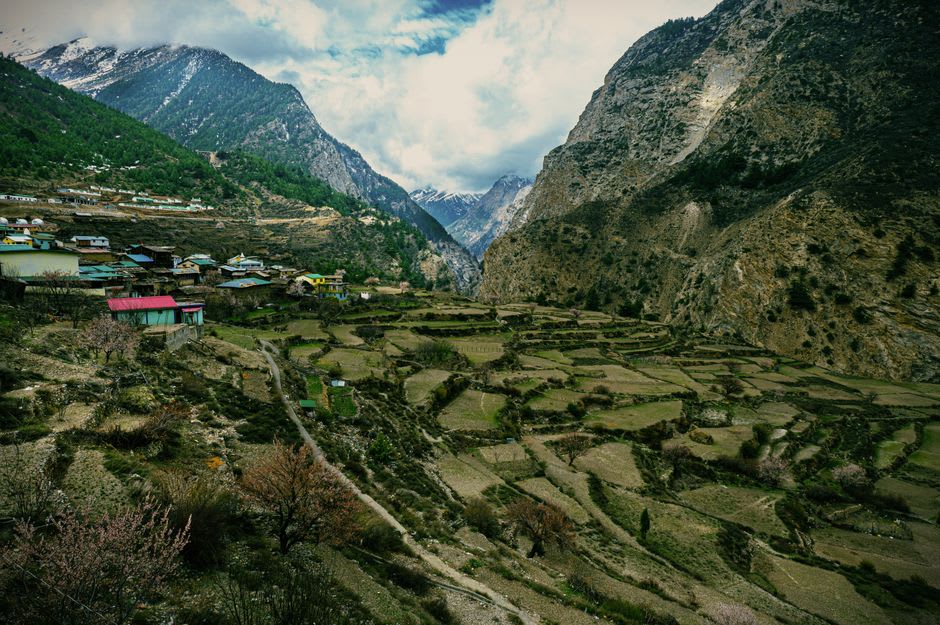
Getting to Tarkeghyang means walking two or three days from Sundarijal or Melamchi Pul Bazaar, through forest and terraced farmland that climbs and drops constantly rather than committing to one direction, which is part of what keeps it under the radar — it’s not a straight shot to altitude glory, it’s a meandering, physically demanding walk through villages that see a fraction of the trekkers further north. Lia counted exactly four other foreign trekkers over three days on the trail in, which is basically unheard of anywhere within a week of Kathmandu.
Why the “easy trek” label undersells it
Yes, Helambu tops out lower than the classic circuits — you’re mostly in the 2,000–3,600 meter range rather than pushing past 5,000. But Tarkeghyang itself, and the ridge above it toward Tsho Rolpa lookout points, delivers views of the Jugal Himal range that rival anything on the bigger routes, minus the crowds, the inflated teahouse prices, and the sense of walking a well-worn tourist circuit. It’s a trek for people who want the cultural depth of a Sherpa village without the logistics of a high-altitude expedition.
When to go: October and November give the clearest mountain views and stable weather. March and April bring rhododendron blooms to the lower forest sections. Avoid the monsoon (June–September), when leeches and mud make the trail unpleasant; winter is cold but generally passable given the moderate elevation.